Trauma and post-traumatic stress disorder (PTSD) are often misunderstood as conditions reserved for extreme or catastrophic events. While war, assault, and natural disasters are certainly traumatic, trauma can take many forms and affect individuals in vastly different ways. As we deepen our understanding of how trauma manifests in the body and mind, it becomes increasingly […]
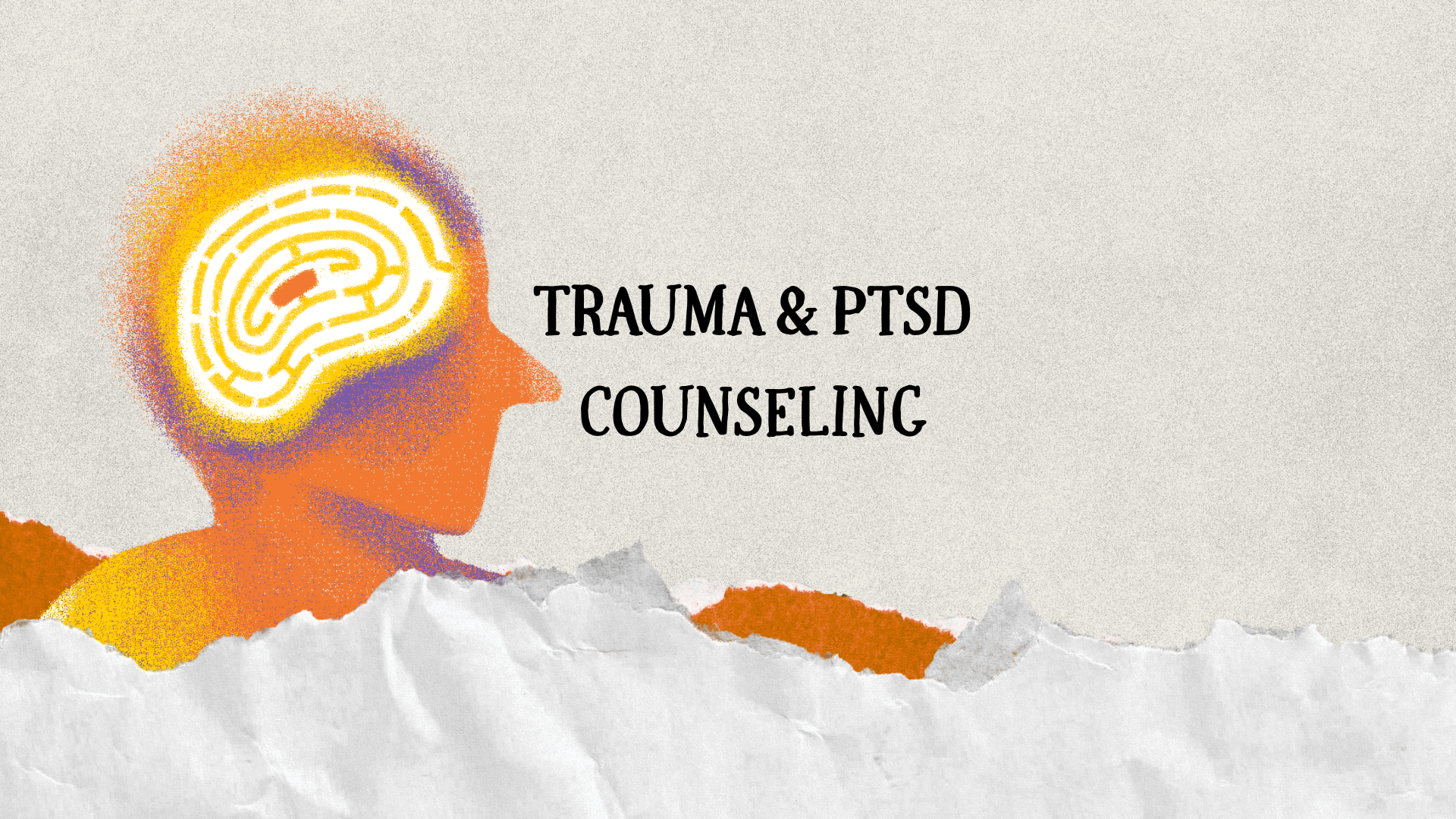
Trauma and post-traumatic stress disorder (PTSD) are often misunderstood as conditions reserved for extreme or catastrophic events. While war, assault, and natural disasters are certainly traumatic, trauma can take many forms and affect individuals in vastly different ways. As we deepen our understanding of how trauma manifests in the body and mind, it becomes increasingly clear that effective counseling plays a critical role in fostering recovery.
This blog explores the impact of trauma on psychological and physiological functioning, differentiates between PTSD and complex PTSD (C-PTSD), and outlines evidence-based approaches that can aid in long-term healing. We also examine the prevalence of trauma in various populations and dispel common myths about who is affected and how.
Understanding Trauma: Big “T” and Small “t”
Trauma is the response to deeply distressing or disturbing experiences that overwhelm an individual’s ability to cope. Importantly, trauma is subjective. An event that might not affect one person can be profoundly traumatic to another. Clinically, trauma is often categorized into two broad types: Big “T” trauma and small “t” trauma.
Big “T” trauma refers to events that are universally recognized as traumatic. These include events such as sexual assault, serious accidents, natural disasters, and combat exposure. They typically involve a direct threat to life or bodily integrity. According to the American Psychiatric Association (2020), Big “T” trauma is commonly associated with PTSD.
Small “t” trauma includes events that may not threaten life but still disrupt emotional stability. Examples include emotional neglect, divorce, betrayal, or persistent criticism. These experiences may not be perceived as traumatic by society at large but can cause chronic stress and emotional wounds, particularly when they accumulate over time.
Understanding this distinction is vital. Individuals who experience small “t” trauma may not seek help due to minimization or invalidation of their experience. Yet, the psychological scars can be just as deep.
Prevalence of Trauma and PTSD
Trauma is more common than often acknowledged. The World Health Organization (2022) estimates that 70 percent of individuals worldwide will experience at least one traumatic event in their lifetime. In India, trauma-related disorders are significantly underdiagnosed due to cultural stigma and limited access to mental health care (Chopra, Sinha, & Prakash, 2021).
The National Center for PTSD (2023) reports that approximately 6 percent of the U.S. population will experience PTSD at some point. In global populations, studies show varying prevalence rates based on conflict exposure, gender, and socioeconomic status. Women are approximately twice as likely as men to develop PTSD (Olff, 2017).
A landmark study by Cloitre et al. (2019) found that nearly 30 percent of individuals diagnosed with PTSD also met the criteria for complex PTSD (C-PTSD), a condition that has only recently received clinical recognition through the International Classification of Diseases, 11th Revision (ICD-11).
PTSD vs. Complex PTSD (C-PTSD)
PTSD is a psychiatric disorder that can occur after experiencing or witnessing a traumatic event. The core symptoms include intrusive thoughts or flashbacks, hypervigilance, avoidance of reminders, emotional numbing, and sleep disturbances.
C-PTSD, on the other hand, typically arises from prolonged or repeated trauma, particularly during developmental years. Examples include childhood abuse, neglect, domestic violence, and captivity. While C-PTSD includes all PTSD symptoms, it also presents with:
Emotional dysregulation
Negative self-concept
Interpersonal difficulties
Persistent shame or guilt
Dissociation or identity disturbances
These additional features often complicate diagnosis and treatment. Individuals with C-PTSD may not identify their experiences as traumatic, particularly if their trauma occurred within trusted relationships.
Neurobiological Impact of Trauma
Trauma has a profound effect on the brain and body. Functional imaging studies reveal that trauma alters key brain structures:
The amygdala becomes hyperactive, heightening fear responses
The hippocampus, critical for memory, may shrink, affecting recall and orientation
The prefrontal cortex becomes less active, impairing decision-making and regulation
This altered neurocircuitry keeps the body in a chronic state of hyperarousal. Individuals may experience digestive issues, chronic pain, panic attacks, fatigue, or immune suppression. The concept of the “window of tolerance”—the zone within which the nervous system can function optimally—is often narrowed in trauma survivors (Siegel, 1999).
Effective Approaches to Trauma Counseling
Multiple evidence-based therapies have shown efficacy in treating trauma and PTSD. These approaches aim to re-establish a sense of safety, integrate traumatic memories, and build emotional resilience.
Trauma-Focused Cognitive Behavioral Therapy (TF-CBT) TF-CBT combines cognitive restructuring with exposure-based techniques. Clients learn to identify distorted beliefs and gradually confront trauma-related memories in a controlled environment. Numerous meta-analyses confirm its effectiveness, particularly among youth (Cohen et al., 2017).
Eye Movement Desensitization and Reprocessing (EMDR) EMDR uses bilateral stimulation to reduce the emotional intensity of traumatic memories. Studies suggest that EMDR can achieve results comparable to TF-CBT in fewer sessions, making it an efficient treatment modality (Shapiro, 2017).
Somatic Experiencing (SE) Developed by Peter Levine, SE focuses on physical sensations rather than cognitive processing. It aims to release stored survival energy through titrated somatic awareness, helping the body complete its defensive responses (Levine, 2010).
Internal Family Systems (IFS) IFS conceptualizes the mind as composed of sub-personalities or “parts.” Clients learn to dialogue with wounded parts and build a compassionate internal system. This model is particularly effective for individuals with a history of relational trauma.
Mindfulness-Based Interventions (MBIs) Programs such as Mindfulness-Based Stress Reduction (MBSR) and Trauma-Sensitive Yoga offer present-moment awareness, breath control, and emotional regulation. These are valuable adjuncts to therapy, especially when somatic symptoms predominate.
Group Therapy and Peer Support Group therapy provides normalization, shared narratives, and collective healing. For some individuals, peer groups offer a more accessible entry point into trauma work.
What Healing Looks Like
Healing from trauma is not linear. Clients may experience progress interspersed with setbacks. Still, common milestones in recovery include:
Increased capacity to tolerate difficult emotions
Improved self-concept and reduced shame
Enhanced relational safety and boundary setting
Greater embodiment and awareness of physical cues
Decreased symptom severity and improved daily functioning
Healing does not require forgetting the trauma but rather integrating it in a way that reduces its emotional charge.
How Long Does It Take?
There is no standard timeline for trauma recovery. Factors influencing duration include trauma type, chronicity, age of onset, support systems, and access to care. Research indicates that significant symptom reduction can occur within 12 to 20 sessions of trauma-informed therapy, though complex cases may require long-term engagement (Bisson et al., 2013).
Choosing a Trauma-Informed Therapist
Not all therapists are equipped to handle trauma. When seeking help, consider the following:
Are they trained in trauma-specific modalities?
Do they prioritize pacing, safety, and consent?
Are they culturally competent and attuned to intersectionality?
Do they integrate body-based practices when appropriate?
A good therapeutic alliance is a predictor of positive outcomes. If the client does not feel safe or understood, switching providers is a valid and often necessary step.
Frequently Asked Questions
Q: Is trauma therapy only for people with PTSD? A: No. Individuals without a formal PTSD diagnosis can still benefit from trauma-informed care if they struggle with emotional dysregulation, relationship difficulties, or somatic symptoms.
Q: What if I do not remember my trauma? A: Memory gaps are common, especially in childhood trauma. Therapy can focus on present-day symptoms and body responses without needing full recall.
Q: Will I have to relive the trauma in therapy? A: Effective trauma therapy does not require re-traumatization. Therapists use titrated exposure and grounding techniques to maintain emotional safety.
Q: Can trauma impact physical health? A: Yes. Trauma is linked to increased risk of chronic illnesses, including cardiovascular disease, autoimmune disorders, and gastrointestinal problems.
Q: Is online trauma therapy effective? A: Research indicates that online trauma therapy can be effective, particularly when using structured modalities such as TF-CBT or EMDR. However, therapist experience and client preference matter greatly.
Conclusion
Trauma alters the brain, the body, and the self. But it does not have to define the future. With the right support, recovery is possible. Whether you are grappling with recent loss, childhood adversity, or years of silent suffering, trauma-informed counseling offers pathways back to safety, connection, and meaning.
Healing is not about becoming who you were before the trauma. It is about becoming who you are now, with greater awareness, resilience, and self-compassion.
References
American Psychiatric Association. (2020). Clinical practice guideline for the treatment of posttraumatic stress disorder (PTSD) in adults.
Bisson, J. I., Cosgrove, S., Lewis, C., & Roberts, N. P. (2013). Post-traumatic stress disorder. BMJ, 347.
Chopra, R., Sinha, V., & Prakash, J. (2021). Prevalence and presentation of trauma-related disorders in India: A scoping review. Indian Journal of Psychiatry, 63(2), 108-115.
Cloitre, M., Garvert, D. W., Weiss, B., Carlson, E. B., & Bryant, R. A. (2019). Distinguishing PTSD, complex PTSD, and borderline personality disorder: A latent class analysis. European Journal of Psychotraumatology, 10(1).
Cohen, J. A., Mannarino, A. P., & Deblinger, E. (2017). Trauma-focused CBT for children and adolescents: Treatment applications. Guilford Publications.
Levine, P. A. (2010). In an unspoken voice: How the body releases trauma and restores goodness. North Atlantic Books.
Olff, M. (2017). Sex and gender differences in post-traumatic stress disorder: An update. European Journal of Psychotraumatology, 8(4).
Shapiro, F. (2017). Eye movement desensitization and reprocessing (EMDR) therapy: Basic principles, protocols, and procedures. Guilford Press.
Siegel, D. J. (1999). The developing mind: Toward a neurobiology of interpersonal experience. Guilford Press.
World Health Organization. (2022). Global health estimates: Life expectancy and burden of disease.
In the reimagined Indian series Adolescence 2025, 13-year-old Jay Mehra commits the unthinkable – he murders a schoolmate. The show traces how this single act shatters Jay’s family and community, painting a tense psychological portrait of a troubled youth. By weaving a family drama with mental health themes, the series invites viewers to consider the complex inner life of a child capable of such extreme behavior. This blog analyzes that portrayal, examining what real psychological issues might underlie Jay’s actions, and how media like this can help or hurt public understanding of mental illness.
Advantages of Psychological Dramas in Raising Awareness
Promoting Empathy and Understanding: Well-crafted dramas can demystify mental health issues by humanizing sufferers. Viewers often empathize with characters on screen, which can reduce stigma. For example, a UK survey by the mental health charity Mind found that about half of people who saw a storyline about mental illness said it improved their understanding of those conditions theguardian.com. In Jay’s story, seeing a once-normal boy struggle with inner demons can help audiences relate to the real emotions behind psychiatric symptoms.
Encouraging Help-Seeking: Television storylines can signal to viewers that it’s OK to talk about problems. Mind’s survey also showed that many people were prompted to seek help after seeing mental illness depicted on screen theguardian.com. In one cited example, after a Channel 4 drama about cyberbullying aired, a teen support hotline experienced a “massive influx” of calls from young people who had previously been too afraid to speak up theguardian.com. Similarly, if Adolescence 2025 shows characters reaching out to therapists, it could encourage families to do the same, potentially saving real lives.
Educating Audiences: Dramas can explain symptoms and treatments indirectly. A storyline can illustrate warning signs (like withdrawal or aggression) and show resources (such as crisis lines or counseling). A compelling narrative can “chip away at the stigma” by making mental illness part of everyday conversation theguardian.com. In the Indian context, where mental health is still taboo in many communities, a character like Jay Mehra forces viewers to confront topics they might otherwise avoid.
Signposting Support: When done responsibly, shows often end with information about help. Paul Farmer, CEO of Mind, noted that thoughtful media portrayals can be “a lifeline”, pointing struggling viewers toward available support theguardian.com. In fact, he said well-handled drama storylines “play a vital role in signposting to the help and support that is available” theguardian.com. In India, similar efforts (like including subtitles for helpline numbers) could amplify this effect.
Risks and Misrepresentation of Mental Illness
Reinforcing Stereotypes: A big risk is that dramatic narratives oversimplify or sensationalize illness. Research shows media often depict people with psychiatric disorders as violent or dangerous. For example, the National Alliance on Mental Illness (NAMI) notes that Hollywood has “a long history of misrepresenting” mental illness by showing mentally ill characters as “violent and dangerous,” thereby creating harmful stereotypes nami.org. In the film Joker (2019), for instance, viewers associated the lead character’s violent rampage with his unwell mind; a study found watching Joker actually increased prejudice toward people with mental illness psychiatry.org. If Adolescence 2025 is not careful, it could unintentionally suggest that all kids who “snap” are mentally ill – or worse, that mentally ill kids are monsters.
Sensationalism and Fear: Plot-driven shows may emphasize dramatic twists over accuracy. They might neglect the complex, everyday reality of mental health (like therapy or day-to-day coping) in favor of shocking violence. This can make viewers more afraid than informed. In the Indian context, sensational scenes could reinforce already-prevalent fears. If Jay’s story shows his condition as inexplicable “evil” or supernatural, it might discourage understanding.
Discouraging Help-Seeking through Stigma: Inaccurate portrayals can worsen stigma. The American Psychiatric Association notes that misleading media images contribute to public fear and misunderstanding psychiatry.org. If the drama implies that mental illness inevitably leads to violence, families might hide problems rather than seek treatment. In India, where many already worry about “losing face” by admitting a family member has mental illness, negative depictions could be especially harmful. For instance, APA highlights that in some Asian cultures (including Indian communities) seeking professional help is often viewed as shameful, because of values like emotional restraint and maintaining family honor psychiatry.org. A careless storyline could reinforce those taboos instead of breaking them.
Psychological Profile of Jay Mehra
Based on the plot (a 13-year-old who murders a peer), Jay’s behavior is highly abnormal, suggesting serious underlying issues. While we cannot diagnose a fictional character with certainty, several possibilities stand out:
Conduct Disorder with Callous–Unemotional Traits: The murder itself – deliberate aggression toward another person – is characteristic of Conduct Disorder in children. The DSM-5 defines Conduct Disorder as a “repetitive and persistent pattern” of behaviors violating others’ rights, including aggression such as bullying, initiating physical fights, and “being physically cruel to people” pediatriconcall.com. Jay’s act of killing a schoolmate would meet the criteria of extreme aggression. If the show hints that Jay planned the act or felt little remorse, this could indicate callous–unemotional traits, a severe specifier of conduct disorder linked to future antisocial personality. Youths with this profile may lie, steal, or use weapons, and often struggle with empathy. Jay’s family might recall earlier warning signs (like hurting animals or chronic lying) if this is the case.
Early-Onset Psychosis (Schizophrenia): Another possibility is a psychotic disorder. Childhood schizophrenia, although rare, can begin in early teens. Psychosis involves losing touch with reality – hearing voices or holding false beliefs. If Jay experienced hallucinations or paranoia, he might have believed his classmate was threatening him or “possessed,” prompting irrational violence. The Child Mind Institute notes that early psychosis can manifest as feeling “people want to hurt” the individual and experiencing sensory hallucinations childmind.org. If Jay described seeing or hearing things, or seemed delusional, the show might be suggesting an illness like schizophrenia or a brief psychotic episode. In such a case, the murder could stem from a distorted perception of reality, not malice. (Significantly, Mayo Clinic emphasizes that schizophrenia involves changes in brain chemistry and genetics, often triggered by stress mayoclinic.org – factors we discuss later.)
Mood Disorder with Psychotic Features: A severe mood disorder could also be involved. For instance, a manic episode in early-onset bipolar disorder can cause impulsivity and aggressive behavior; a depressed teen might become irritable or violent in rare cases. If Jay had extreme mood swings or expressed grandiose or paranoid ideas about himself and others, the writers may be implying a bipolar or major depressive disorder with psychotic features. This could present as violent outbursts during a mania or an irrational, desperate act during a psychotic depression.
Other Considerations (ADHD, PTSD, etc.): It’s also possible Jay had comorbid conditions. A severe case of Attention-Deficit/Hyperactivity Disorder (ADHD) might contribute to impulsiveness, but ADHD alone rarely leads to murder. However, if Jay had ADHD plus conduct disorder, that could heighten risk. Post-Traumatic Stress Disorder (PTSD) from past trauma might cause explosive anger or dissociative behavior, though homicide is uncommon. Intermittent Explosive Disorder (uncontrollable rage) could explain sudden violence, but not typically a planned act like murder. The presence of any drug or alcohol use (less likely at 13) would complicate things. In summary, Jay’s extreme aggression most closely aligns with a severe conduct disturbance (often a precursor to antisocial personality) or a psychotic break. Each theory carries different implications for treatment and prognosis, which the drama might explore.
Origins and Development of Such Disorders in Adolescence
To understand why Jay (or any teen) might reach this point, we must consider how psychiatric conditions develop. Mental disorders in young people arise from a mix of biological, familial, and environmental factors:
Biological/Genetic Factors: Many mental illnesses have a genetic component. Mayo Clinic notes that disorders like schizophrenia involve complex genetics and brain chemistry mayoclinic.org. If Jay has a family history (for example, a parent or sibling with schizophrenia or antisocial behavior), his risk would be higher. Neurobiologically, adolescence is a turbulent time: the brain’s prefrontal cortex (responsible for judgment and impulse control) isn’t fully mature until the mid-20s, making teens more prone to rash decisions. Also, hormonal changes can exacerbate mood and energy levels. Neurochemical imbalances (in dopamine, serotonin, etc.) might predispose a sensitive teen to disorders. In short, a genetic vulnerability plus normal teen brain development can create a tipping point for illness.
Family and Developmental Factors: The home environment plays a huge role. Childhood experiences like abuse, neglect, or witnessing violence can profoundly impact a child’s psyche. A boy like Jay might have grown up in a home with harsh discipline or instability, teaching him that aggression is a way to solve problems. Alternatively, if the family was overly permissive or didn’t set boundaries, Jay may have tested limits. Indian families often live in close-knit (sometimes multigenerational) settings, which can be supportive but also stressful if family conflicts arise. For example, academic pressure from strict parents is common in India – constant failure demands can cause intense frustration. Some research even links a gene variant (MAOA) with conduct problems when coupled with child maltreatment. Thus, a combination of genetics and a troubled childhood (the “diathesis-stress” model) could produce a severe disorder by age 13.
Environmental/Social Factors: Schools and peers matter a great deal. Chronic bullying or social rejection at school can breed anger or paranoia. For instance, if Jay was mercilessly bullied by the classmate he killed (a common trope), he may have snapped under pressure. Media exposure is another factor – constant violence in games or movies can desensitize a child (though research is mixed on this). In India, fierce competition in school exams can induce tremendous stress and anxiety. Additionally, cultural stigma itself is an environmental factor: as noted, seeking help is stigmatized in many Indian communities psychiatry.org, so problems at home or school might be kept secret and worsen over time.
In summary, an interplay of genes (biological sensitivity), family history/parenting, and social stress likely contributed to Jay’s condition. No single factor explains his crime; rather, a cascade of risks over years could culminate in a crisis.
Real-Life Indian Cases
While extremely rare, there have been real instances in India of children committing murders, lending a grim realism to Jay’s story:
2007 Bihar Case – Seven-Year-Old Killer: In one of India’s most notorious incidents, a 7-year-old boy named Amarjeet Sada killed three of his family members (including his sister and cousin) over the course of a day english.mathrubhumi.com. Reports noted this child had a history of tantrums and claimed to suffer from “psychiatric disorders.” He allegedly strangled and beat the children, then calmly led police to the graves. Cases like Amarjeet’s shocked the nation because of the boy’s age, but they did highlight that extreme acts can stem from early severe pathology or neglect.
2024 Uttar Pradesh Boarding School Case:Recently, police in Hathras (UP) arrested a 13-year-old student who confessed to killing a 9-year-old classmate with a towel, believing the school would shut down and he could return home hindustantimes.com. The boy reportedly told investigators he wanted the school to close. This case bears disturbing similarity to Adolescence 2025. It illustrates how even a pre-teen can harbor lethal intent under strain. The fact that Jay’s fictional age (13) matches this real incident underscores the show’s tragic plausibility.
Other Incidents: There have also been reports of older adolescents committing murder (often with guns or knives) after prolonged bullying or other triggers. Though not all involve diagnosed mental illness, these events all received intense media scrutiny, reflecting society’s alarm. In each case, investigators look for underlying issues – family turmoil, previous violent behavior, or mental health problems – to explain how a child crossed that line.
Mentioning these cases shows that while Jay’s crime is horrific, it is not purely fantasy. Indian reality has seen very young offenders under extreme circumstances. This context can make the drama’s portrayal feel grounded and urgent to viewers.
Prevention: Early Warning Signs and Support
The tragedy of Jay’s story highlights the importance of early intervention. Parents, teachers, and community members should watch for warning signs of serious distress or illness in youth. These can include:
Emotional changes: Persistent sadness, hopelessness, or excessive irritability. Teen depression often shows up as anger or withdrawal. For example, Mayo Clinic warns that depressed teens may have angry outbursts, social isolation, or sudden academic decline mayoclinic.org.
Behavioral shifts: Increased aggression (hitting, bullying others), talks of violence or death, self-harm (cutting), or drastic changes in sleep/appetite. Jay’s violent action itself was an extreme warning. More common red flags might be frequent tantrums or cruelty to animals.
Decline in functioning: A sudden drop in grades, loss of interest in hobbies, or severely neglecting hygiene.
Withdrawal or fear: Refusing to go to school, saying friends want to hurt him, or other paranoid talk (which could hint at psychosis).
If any concerning patterns emerge, seek help early. In India, this might mean talking to a school counselor, consulting a pediatrician, or reaching out to a mental health professional. As Mayo Clinic notes, “early identification and treatment may help get symptoms… under control before serious complications develop” mayoclinic.org. Even if Jay’s world was already broken, earlier counseling could have provided outlets for anger or teaching for his parents and teachers to intervene sooner.
Mental health strategies and resources: For a child like Jay, therapy could address both individual issues and family dynamics. Cognitive-behavioral therapy (CBT) is one evidence-based approach that teaches coping skills for anger, anxiety, or sadness. Family therapy might also be beneficial, especially in India’s family-centric culture. In schools, programs that teach emotional awareness can help students express frustration in healthy ways.
Importantly, reducing stigma is key. Parents and teachers should understand that mental illness is no shameful secret – it’s often an illness like any other. Counseling helplines (such as Childline 1098 in India) and organizations (like Snehi Foundation or the NIMHANS Tele-Mental Health program) offer support and confidentiality. Creating an environment where children feel safe sharing fears and failures can prevent feelings of isolation.
Finally, communities and media must reinforce that even dramatic stories like Adolescence 2025 have solutions. If family members of troubled youth see Jay’s family ultimately seeking therapy or justice tempered with understanding, they may feel encouraged to do the same in real life. Continuous mental health education – in schools, on TV, and in public forums – will help parents recognize danger signs early and understand that professional help (counselors, psychologists or even psychiatrists) can guide a child back from the brink.
Conclusion: The Indian adaptation of Adolescence 2025 sparks a crucial conversation about youth violence and mental illness. By thoughtfully portraying Jay Mehra’s plight, the show has the power to educate viewers about psychiatric conditions and the importance of empathy. While dramatization carries risks of misunderstanding, coupling gripping storytelling with factual accuracy (as we have outlined) can enlighten audiences. In the end, awareness – fueled by both media and factual knowledge – is the first step toward preventing tragedies. Keeping a watchful, open, and caring eye on our adolescents, and getting them timely help, can make a real difference between a lonely bench at sunset and brighter tomorrows.
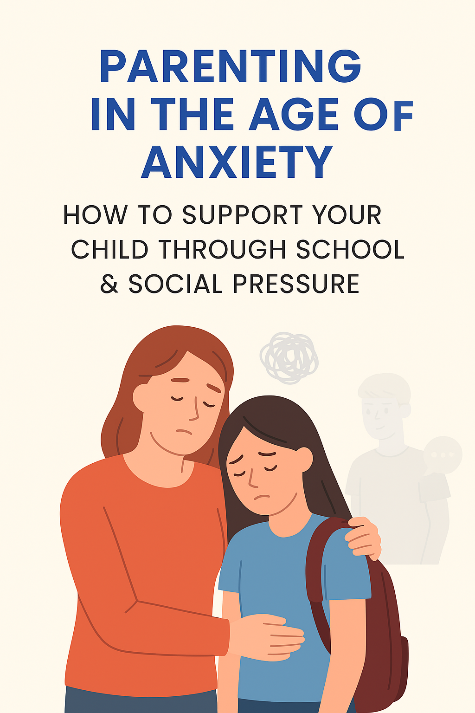
In today’s, the challenges our children face extend far beyond traditional academic pressures. With technology at our fingertips, social media influencing self-worth, and the relentless pace of modern life, our kids are increasingly exposed to sources of anxiety and stress. As a psychological expert, I have observed that effective parenting in this era means not only addressing academic needs but also fostering emotional resilience and psychological well-being. This comprehensive guide offers insights and actionable strategies to help parents support their children as they navigate the complexities of school and social pressures.
Understanding Modern Childhood Stress
Modern children and adolescents are growing up in a world where the expectation for academic excellence is intertwined with the constant connectivity of digital life. The pressures of competitive school environments, coupled with the omnipresent influence of social media, can lead to a heightened state of anxiety. Research indicates that chronic stress in children can impair cognitive function, hinder emotional regulation, and even affect physical health. These findings underscore the urgent need for parents to become proactive in mitigating these stressors.
The Impact of School Pressure
For many students, academic success is not just a personal goal—it’s a prerequisite for future opportunities. The burden of high expectations, standardized testing, and college admissions can create a constant sense of pressure. Children often internalize these pressures, leading to anxiety that manifests as perfectionism, fear of failure, and self-doubt.
The Social Media Dilemma
Social media platforms offer a double-edged sword. While they provide avenues for creativity and connection, they also expose children to relentless comparison, cyberbullying, and unrealistic portrayals of success. The curated nature of online lives can distort self-perception and amplify feelings of inadequacy. In this digital era, parents must help their children develop a balanced perspective on online interactions and maintain a healthy self-image.
The Role of Parents in Navigating Anxiety
Parents are the cornerstone of emotional support. Your role as a caregiver extends into the realm of mental health, where modeling calm, resilience, and empathy can profoundly influence your child’s response to stress. Here are several strategies that can empower both you and your child to navigate the turbulent waters of modern anxiety.
1. Foster Open Communication
Creating a safe space for dialogue is crucial. Encourage your children to share their fears, concerns, and experiences without the fear of judgment or immediate correction. When children feel heard and validated, they are more likely to express their anxieties and work through them collaboratively with you.
Effective Strategy: Establish regular “talk time” during the day or week where you can discuss emotions, challenges, and successes. Listen actively and empathize with their feelings rather than dismissing or minimizing their experiences.
2. Model Healthy Stress Management
Children learn by observing. Your behavior sets a powerful example of how to handle stress. By openly discussing your own stress management techniques—such as mindfulness, exercise, or creative outlets—you provide a practical roadmap for your child to emulate.
Effective Strategy: Share your daily routine that includes moments of relaxation, meditation, or even simple breathing exercises. Explain how these practices help you stay grounded during stressful times, and consider engaging in them together as a family.
3. Encourage a Balanced Lifestyle
A well-rounded life is the antidote to anxiety. While academics and digital engagement are important, so too are physical activities, creative pursuits, and downtime. Encourage your child to pursue hobbies, spend time outdoors, and maintain a balanced schedule.
Effective Strategy: Develop a family schedule that includes designated times for study, play, and relaxation. Ensure that there is ample time away from screens and that physical activities are a regular part of the daily routine.
4. Set Realistic Expectations
The pressure to achieve perfection can be debilitating. Help your child understand that it’s okay to make mistakes and that failure is an essential part of growth. By setting realistic expectations, you help alleviate the internalized pressure to be flawless.
Effective Strategy: Celebrate effort over outcomes. Focus on progress and learning rather than just grades or accolades. Remind your child that every experience, whether successful or not, is a stepping stone toward personal growth.
Specific Techniques for Building Resilience
Resilience is not an innate trait—it is cultivated over time through experience, guidance, and support. Below are several practical techniques that can help build emotional resilience in your child:
Mindfulness and Meditation
Mindfulness is a powerful tool for managing anxiety. It encourages present-moment awareness and helps children detach from overwhelming thoughts and feelings. Teaching mindfulness can help reduce anxiety by promoting a calm, focused state of mind.
Effective Strategy: Introduce short, guided meditation sessions into your child’s routine. There are many apps and online resources specifically designed for children that offer simple mindfulness exercises.
Cognitive Behavioral Strategies
Cognitive Behavioral Therapy (CBT) techniques can help your child identify and challenge negative thought patterns. By reframing these thoughts, your child can develop a more balanced perspective on stressful situations.
Effective Strategy: Encourage your child to keep a journal where they note down negative thoughts and then write alternative, more positive perspectives. This practice helps in recognizing cognitive distortions and replacing them with constructive insights.
Emotional Regulation Skills
Helping your child understand and manage their emotions is key to reducing anxiety. Techniques such as deep breathing, visualization, and even physical exercise can be effective in regulating emotional responses.
Effective Strategy: Teach your child simple deep-breathing exercises. For instance, the “4-7-8” technique—inhaling for 4 seconds, holding for 7 seconds, and exhaling for 8 seconds—can be a practical tool during moments of stress.
Social and Emotional Learning (SEL)
Incorporating social and emotional learning into daily life can significantly enhance a child’s ability to manage stress. SEL programs in schools have shown great success in improving emotional intelligence and reducing anxiety.
Effective Strategy: Engage in family activities that promote empathy, collaboration, and problem-solving. Discuss scenarios from daily life where emotional intelligence played a key role in resolving conflicts or overcoming challenges.
How Parents Can Take Action: Practical Steps
As a parent, there are several proactive measures you can adopt to support your child in the age of anxiety:
Create a Stress-Relief Environment at Home: Dedicate a space in your home where your child can unwind—a quiet corner with calming decor, soft lighting, and a selection of stress-relief tools such as books, puzzles, or art supplies.
Monitor and Moderate Digital Exposure: While technology is an integral part of modern life, it is essential to set boundaries. Limit screen time and encourage offline activities that promote creativity and physical activity.
Collaborate with Educators: Work closely with your child’s teachers to ensure they are aware of the pressures your child faces. Advocate for mental health programs and stress management workshops in schools, and stay informed about the school’s policies on academic pressure and mental health.
Seek Professional Support When Needed: If you notice persistent signs of anxiety that interfere with your child’s daily functioning, don’t hesitate to consult a mental health professional. Early intervention can prevent minor issues from escalating into more serious conditions.
Engage in Community and School Programs: Look for opportunities to participate in workshops, seminars, and support groups that focus on stress management for children and adolescents. These programs not only offer practical tools but also create a network of support among parents facing similar challenges.
Educate Yourself Continuously: Stay informed about the latest research on childhood stress and anxiety. Understanding the underlying causes and effective strategies can empower you to better support your child.
In Short
Parenting in the age of anxiety requires vigilance, empathy, and proactive engagement. In 2025, the pressures of academic expectations, social media, and evolving societal norms have made stress a pervasive part of a child’s life. However, by embracing effective stress management strategies, parents can create an environment where their children not only survive but thrive.
From fostering open communication and modeling healthy stress management behaviors to incorporating mindfulness, cognitive behavioral techniques, and balanced lifestyles, every step you take can significantly enhance your child’s resilience. In doing so, you help them build the emotional toolkit necessary for navigating life’s challenges—preparing them not just for academic success but for a fulfilling, balanced future.
Remember, the journey to a stress-resilient generation begins at home. Your active involvement, informed guidance, and compassionate support can transform the way your child experiences and responds to stress. Embrace the challenge, and empower your child with the knowledge and tools to overcome anxiety, leading them to a healthier, happier, and more productive life.
FAQs
Q1. At what age should children start learning stress management techniques? Research suggests that even young children can benefit from simplified stress management practices. Starting around ages 6-7, children can learn basic mindfulness and deep-breathing exercises that grow with them.
Q2. How can parents effectively limit digital stressors without restricting academic use of technology? It’s all about balance. Set clear rules for recreational screen time while allowing digital tools for educational purposes. Encourage offline activities and lead by example with your own digital habits.
Q3. What signs indicate that my child might need professional help for stress or anxiety? Persistent changes in behavior, sleep disturbances, withdrawal from social activities, and a noticeable decline in academic performance are red flags. If these signs persist, consult a mental health professional.
Q4. Can stress management skills really improve academic performance? Yes, by reducing anxiety and improving concentration, stress management skills can help children perform better academically while also enhancing their overall well-being.
By implementing these strategies and nurturing an open, supportive home environment, you are taking a critical step toward empowering your child to face today’s challenges with confidence and resilience.
1. What to Expect in Your First Online Group Counselling Session
Entering your first online group counselling session can feel both exciting and nerve‐wracking. During this initial experience, you’ll be introduced to a supportive virtual community where individuals share similar challenges. The session typically starts with a brief orientation by the facilitator, who explains the structure, guidelines, and confidentiality expectations.
You might wonder, “Will I have to share in the first session?” or “What if I don’t know what to say?” Rest assured, you’re encouraged to share only what you feel comfortable with, and there’s no pressure to speak until you’re ready. Participants are invited to introduce themselves, share a bit about their background, and explain their reasons for joining. Many first‐time attendees have shared that just hearing others speak gave them the confidence to share their own stories in later sessions.
The session is designed to mimic the warmth and empathy of in‐person interactions. You might experience breakout discussions, guided exercises, or open conversations on specific topics. Interactive activities like mindfulness exercises or structured sharing circles help foster connection despite the physical distance. By the end of the session, you’ll have a clear understanding of the group’s purpose, the boundaries set by the counsellor, and an invitation to attend future sessions, laying the foundation for a collaborative journey toward healing.
2. Online Group Counselling vs. Online Individual Therapy: Which Is Right for You
Choosing between online group counselling and online individual therapy depends on your personal needs and goals. Both formats offer distinct benefits:
Group Counselling:
Shared experiences and mutual support
Collective learning and community connection
Less individual focus, but greater emphasis on shared growth
Individual Therapy:
Personalized, one-on-one attention
Flexible pacing and deep exploration of personal issues
Confidential space focused solely on your unique circumstances
Imagine this scenario: If you enjoy connecting with others and hearing different perspectives, you might thrive in a group setting. However, if you prefer the privacy of a one-on-one session and need intensive, personalized exploration of your issues, individual therapy could feel more comfortable. Many find that combining both approaches can offer the best of both worlds.
3. The Power of Shared Stories: How Group Counselling Heals
Group counselling harnesses the power of shared stories to foster healing and personal growth. In these sessions, people from diverse backgrounds come together to share their journeys, challenges, and triumphs. This sharing not only creates an environment of empathy and validation but also helps reduce feelings of isolation.
For example, during a session focused on managing anxiety, one participant shared how journaling helped them process daily stress. Hearing this, another member, who had never tried journaling, felt inspired to start their own practice. Over time, they later shared that this small shift had a big impact on their emotional well-being. Research shows that hearing others’ stories can reduce self-stigma and promote healing by fostering connection and mutual empathy.
4. How Online Group Therapy Supports Addiction Recovery
Online group therapy has become an essential support system for those navigating addiction recovery. Its virtual format makes therapy accessible, reducing barriers for individuals living in remote areas or juggling busy schedules. One participant shared that joining an online support group from home helped them stay connected and accountable, even when in-person meetings weren’t feasible.
A typical session might include check-ins, topic-based discussions (such as managing cravings), and structured peer support where members celebrate wins, no matter how small. This shared environment not only normalizes the challenges of addiction recovery but also builds a community where mutual accountability and encouragement play key roles in sustaining progress.
5. The Role of Group Therapy in Managing Grief and Loss
Group therapy is pivotal for those coping with grief and loss, offering a space where participants learn healthy coping strategies through shared experiences. Facilitators may introduce evidence-based grief interventions, such as using grief worksheets that guide participants through exercises like writing a letter to a lost loved one—a process that many find cathartic.
Additionally, social work interventions might be integrated, such as memory-sharing rituals or mindfulness practices. These techniques help individuals honor their loss while processing their grief in manageable steps. By sharing personal stories of loss and recovery, members gain validation and practical strategies to navigate their emotions, transforming grief into a path toward healing.
6. What Is Trauma-Informed Group Therapy? Approaches and Techniques
Trauma-informed group therapy is a specialized counselling approach that recognizes the deep impact of trauma on an individual’s life. This format creates a secure space where participants feel safe to share their experiences without fear of judgment. Facilitators begin sessions with grounding exercises, such as a short body scan or breathing practice, to help everyone feel centered before discussions begin.
Incorporating techniques like art therapy can be particularly beneficial; it allows participants to express feelings that might be difficult to articulate verbally. By combining these methods with structured sharing and empowerment strategies, trauma-informed group therapy provides a compassionate and transformative environment for healing.
7. Group Counselling for Couples: Strengthening Relationships Through Shared Experiences
Group counselling for couples leverages the collective wisdom of shared experiences to enhance relationship dynamics. In these sessions, couples join others facing similar challenges, creating a space for mutual learning and support. A common exercise might be a “communication check-in,” where each partner shares one appreciation and one concern from the past week, followed by a structured discussion.
This approach not only provides couples with new strategies for managing conflict but also offers perspective by hearing how other couples navigate similar issues. The resulting mutual validation and shared insights can help rebuild trust and strengthen the emotional bond between partners.
8. Using Group Therapy to Foster Emotional Intelligence in the Workplace
In today’s fast-paced professional world, emotional intelligence is a vital skill. Group therapy sessions in the workplace focus on building self-awareness and empathy among employees, which in turn enhances communication and collaboration. For example, during a role-play exercise, employees might simulate a stressful client interaction and practice using “I statements” to express boundaries clearly and professionally.
Regular participation in these sessions has been shown to reduce stress levels and improve team morale. When employees feel heard and understood, productivity and job satisfaction often see a noticeable boost. This proactive approach not only nurtures individual growth but also contributes to a healthier, more resilient work environment.
Comparative Overview Table
Topic
Key Focus
Therapy Type/Approach
Target Audience
Unique Features
What to Expect in Your First Online Group Counselling Session
Orientation, trust-building
Online group counselling
New group members
Introduction to digital group dynamics, guided activities, confidentiality emphasis, and addressing common concerns.
Online Group Counselling vs. Online Individual Therapy
Comparison of formats
Group vs. individual therapy comparison
Those seeking tailored vs. shared support
Benefits of shared experiences versus personalized sessions; visual and scenario-based comparisons.
The Power of Shared Stories: How Group Counselling Heals
Healing through shared experiences
Group storytelling and mutual support
Individuals needing validation
Emphasis on empathy, storytelling circles, mini case vignette, and research-backed insights.
How Online Group Therapy Supports Addiction Recovery
Addiction recovery support
Online group therapy for addiction recovery
Individuals overcoming addiction
Peer accountability, relapse prevention strategies, accessible online format, and session structure details.
The Role of Group Therapy in Managing Grief and Loss
Grief management
Evidence-based grief interventions
Individuals coping with loss
Use of grief worksheets, memory-sharing rituals, and social work interventions to manage grief.
What Is Trauma-Informed Group Therapy? Approaches and Techniques
Trauma-informed care
Trauma-informed group therapy
Trauma survivors
Grounding exercises, art therapy, structured interventions, and techniques to safely process trauma.
Group Counselling for Couples
Relationship enhancement
Couples group counselling
Couples facing relationship challenges
Structured communication exercises, shared narratives, and mutual validation from other couples.
Using Group Therapy to Foster Emotional Intelligence in the Workplace
Workplace emotional intelligence development
Group therapy in organizational settings
Employees and managers
Role-playing exercises, scenario-based learning, and a focus on self-awareness and empathy to boost productivity.
Childhood trauma can have a profound and lasting impact on a child’s emotional, mental, and physical well-being. Events such as accidents, the loss of a loved one, abuse, or neglect can deeply affect a child’s development, relationships, and ability to cope with life’s challenges. These challenges, if left unresolved, can manifest into emotional distress, behavioral difficulties, and long-term mental health issues.
In Singapore, trauma-informed counselling has emerged as a compassionate and evidence-based solution for children and parents seeking trauma therapy Singapore. With the right therapeutic approach, children can process their experiences in a safe environment and regain emotional balance. As experienced child trauma therapists, we know that early intervention and tailored care can help children recover and thrive.
This article will explore how trauma-informed counselling works, its benefits for children, and what parents need to know when seeking professional help.
What Is Trauma-Informed Therapy?
Trauma-informed therapy is a therapeutic approach that prioritizes understanding and addressing the effects of trauma on an individual’s mental health. For children, this type of therapy is particularly beneficial as it provides a safe, supportive and non-judgmental space to process overwhelming emotions and experiences. Therapists in Singapore use evidence-based techniques like:
Cognitive Behavioral Therapy (CBT) which helps children reframe negative thought patterns and develop healthier coping mechanisms.
Eye Movement Desensitization and Reprocessing (EMDR therapy Singapore price) which reduces distress tied to traumatic memories through guided sensory input.
Play therapy, a non-verbal approach where therapists tailor activities to each child, allowing them to express their feelings and experiences through play.
Key principles of trauma-informed therapy include:
Safety: Ensuring children feel secure, both physically and emotionally, during sessions.
Trustworthiness: Building a strong and supportive therapist-client relationship based on respect and compassion
Empowerment: Helping children regain a sense of control over their emotions and reactions.
How Childhood Trauma Affects Families
Trauma doesn’t just impact the child, it affects the entire family. Parents may feel helpless, overwhelmed, or even guilty about their child’s struggles. Siblings may also be indirectly affected, leading to stress within the family unit. Without proper intervention, unresolved childhood trauma can lead to:
Behavioral issues such as aggression, frequent emotional breakdowns, and withdrawal.
Difficulties in school such as trouble-focusing, declining performance, or avoiding social settings.
Long-term mental health challenges like anxiety, depression, or PTSD.
By seeking trauma-informed therapy Singapore, families can address these issues holistically, promoting healing for both the child and the broader family.
Benefits of Trauma-Informed Counselling for Children
1. Early Intervention for Emotional Healing
Childhood trauma can overwhelm a child’s ability to regulate emotions, leading to prolonged emotional distress. Trauma-informed counselling provides children with tools to process their feelings and build resilience.
Therapists specializing in trauma treatment Singapore focus on identifying and addressing symptoms early, ensuring children can recover more effectively.
2. Tailored Approaches to Therapy
Every child processes trauma differently, which is why personalized care is essential. Therapists may use techniques like:
Play Therapy: Encourages self-expression in younger children.
EMDR Therapy: Helps reprocess traumatic memories for long-term relief.
Cognitive Behavioral Therapy (CBT): Challenges and changes negative thought patterns.
When researching treatment options, parents often wonder about the EMDR therapy Singapore price, which varies based on session duration and provider expertise. Investing in such specialized therapy is worthwhile for your child’s emotional well-being.
3. Rebuilding Trust and Communication
Trauma can disrupt a child’s ability to trust others, including family members. Therapy focuses on rebuilding this trust, teaching children how to communicate their feelings and fostering stronger family relationships.
4. Long-Term Mental Health Benefits
Children who receive early trauma intervention are less likely to experience long-term mental health issues such as depression or anxiety. Seeking help from a childhood trauma therapist Singapore ensures your child is equipped with coping strategies that serve them throughout life.
Trauma-Informed Therapy Techniques Used in Singapore
1. EMDR Therapy
Eye Movement Desensitization and Reprocessing (EMDR) is a powerful method for helping children reprocess traumatic memories. The therapist uses guided eye movements or other sensory input to help the child reduce emotional distress associated with the trauma.
Parents often inquire about the cost, as EMDR therapy Singapore price can vary. Many therapists offer consultation sessions to discuss the process and pricing.
2. Play Therapy
For younger children, play therapy is highly effective. By using toys, art, and games, therapists create a safe space for children to express emotions and process trauma non-verbally.
3. Family Counselling
Trauma-informed therapy often includes family counselling to ensure a supportive home environment. By involving parents and siblings, therapists address the broader family dynamics affected by the trauma.
What to Expect from Trauma Therapy in Singapore?
When starting trauma therapy, parents can expect a structured and compassionate approach that prioritizes their child’s needs. Here’s a general outline:
Initial Assessment: The therapist will conduct an comprehensive assessment and discussions to understand the child’s experiences, history, symptoms, and family dynamics.
Goal Setting: Collaborative goals are established to ensure realistic progress
Regular Sessions: Sessions may range from 45 minutes to an hour. And depending on age and needs, sessions may include play therapy, talk therapy, or EMDR.
Progress Tracking: Therapists provide ongoing updates, adjusting treatment plans as necessary to ensure the best outcomes.
Finding a trusted childhood trauma therapist Singapore is key to ensuring a positive and effective experience.
How Parents Can Support Their Child’s Recovery
While professional help is crucial, parents play an equally important role in their child’s trauma recovery journey. Here’s how you can provide support:
1. Create a Safe Space at Home
Children need stability and security to heal. Maintain open and respectful communication, reassure them of their safety, and validate their feelings.
2. Educate Yourself About Trauma
Understanding how trauma affects children can help you respond more effectively to their needs. Many therapists in Singapore provide resources or workshops for parents.
3. Be Patient
Trauma recovery takes time. Celebrate small milestones, and remember that setbacks are a natural part of the process.
4. Collaborate with Therapists
Regularly communicate with your child’s therapist to stay informed about their progress and learn how to reinforce therapeutic strategies at home.
FAQs About Child Trauma Recovery in Singapore
1. How do I know if my child needs trauma therapy?
Signs that your child may need therapy include difficulty sleeping, sudden changes in behavior, trouble concentrating, or withdrawing from loved ones. A consultation with a childhood trauma therapist Singapore can help determine the best course of action.
2. What is the cost of EMDR therapy in Singapore?
The EMDR therapy Singapore price varies based on the therapist’s expertise and session length, typically ranging from SGD 150 to SGD 300 per session. Many providers offer package deals for multiple sessions.
3. How long does trauma-informed therapy take?
The duration depends on the severity of the trauma and the child’s progress. Some children may benefit from a few months of therapy, while others require longer-term support.
4. Can trauma therapy help with school-related issues?
Yes. Trauma-informed therapy addresses behavioral and emotional challenges, helping children improve focus, build confidence, and succeed academically.
5. How do I choose the right therapist for my child?
Look for a qualified therapist with experience in childhood trauma. Recommendations, reviews, and initial consultations can help you find a good match.
In SHORT: Supporting Your Child’s Journey to Healing
Childhood trauma can feel overwhelming for both children and parents, but recovery is possible with the right support. Trauma therapy Singapore offers evidence-based solutions that help children heal and families rebuild stronger connections.
If you’re seeking effective trauma treatment, consult a trusted childhood trauma therapist in Singapore. Early intervention can make a significant difference in your child’s well-being, setting them on a path toward a healthier and brighter future.