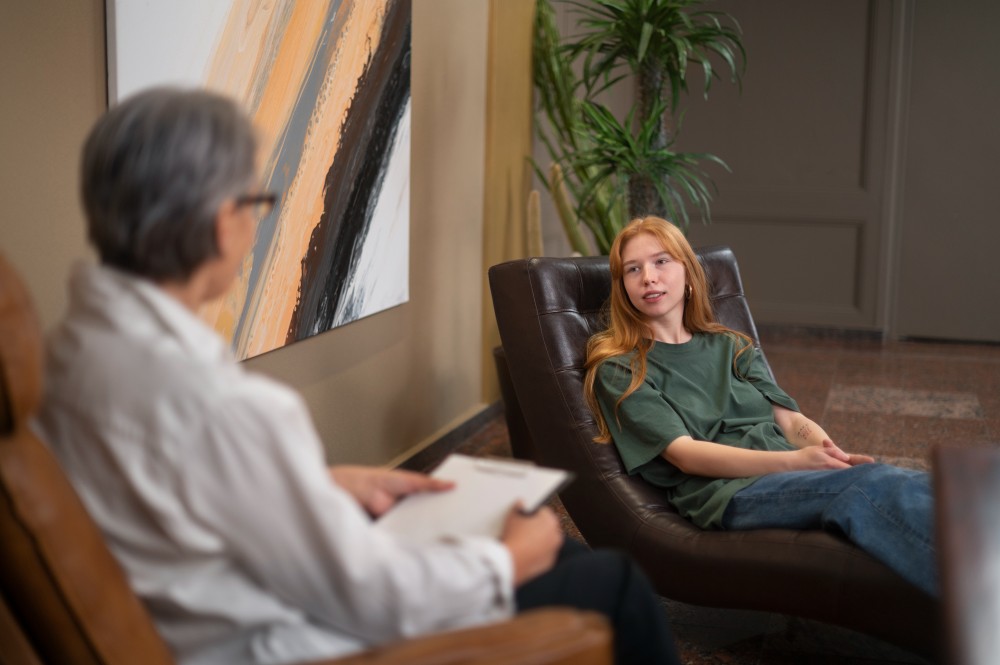
The Future of Mental Health Therapy: Exploring the Potential of Technology and Digital Solutions
Introduction Mental health care is no longer confined to a therapist’s office. With the rise of apps, AI chatbots, virtual reality therapy, and online counseling platforms, therapy is undergoing a technological revolution. For a country like India where access to qualified therapists is limited and stigma around mental health persists this digital shift could be […]
Introduction
Mental health care is no longer confined to a therapist’s office. With the rise of apps, AI chatbots, virtual reality therapy, and online counseling platforms, therapy is undergoing a technological revolution. For a country like India where access to qualified therapists is limited and stigma around mental health persists this digital shift could be a game-changer.
But with this new wave comes new questions: Can technology truly support mental wellness? How effective are these tools? What does the future of therapy look like when screens become part of the solution?
In this article, we’ll explore:
How digital mental health tools are reshaping access
Whether these tools can replace traditional therapy
What to consider as you navigate this evolving space
Section 1: The Rise of Digital Mental Health Support
Let’s begin with what we’re already seeing.
The mental health app market in India is booming, with platforms offering everything from mindfulness exercises to 24/7 chat support. According to a 2023 McKinsey Health Institute report, nearly 60% of people across Asia have used some form of digital health tool and mental health is among the fastest-growing categories (McKinsey, 2023). In India alone, demand for online therapy surged by over 250% during and after the pandemic (The Hindu, 2022).
What’s driving this growth?
Accessibility: Rural and semi-urban areas often lack qualified mental health professionals. Online tools bridge this gap.
Affordability: Apps and text-based therapy offer cost-effective alternatives to in-person sessions.
Anonymity: For many Indians, especially men or people in conservative families, talking to a therapist without revealing their identity lowers stigma.
Convenience: Working professionals and students prefer the flexibility of asynchronous or weekend sessions via phone or video.
Digital platforms now host a wide range of services:
Self-help apps for anxiety, depression, and sleep
Online therapy sessions with licensed professionals
As promising as this sounds, it’s not without limitations and that’s where things get more nuanced.
Section 2: The Benefits of Tech-Based Therapy
Technology has undeniably expanded the reach of mental health care. Here’s how it’s helping:
Reducing Barriers to Entry Many first-time therapy seekers feel nervous or unsure. Using an app or chatting with a therapist anonymously online can feel like a safer first step. This has especially helped young people, who are often more comfortable with digital communication.
Reaching Underserved Areas India has less than one mental health professional per 100,000 people (WHO, 2022). Digital platforms allow professionals based in metros to consult clients across states. This also means that regional language support and cultural sensitivity can be built into services.
Supporting Continuity of Care Digital tools are excellent companions between sessions. Clients can use mood trackers, daily journaling prompts, grounding exercises, and reminders to stay engaged with their healing outside therapy hours. It encourages self-reflection and consistency — both key in long-term mental health support.
Preventive and Educational Use Even for people not in therapy, technology offers accessible education. Videos on emotional regulation, articles on anxiety, or podcasts about trauma can build emotional literacy at scale; an important step in reducing stigma.
Section 3: Can Technology Replace Human Therapists?
This is perhaps the biggest question. And the answer, so far, is: No, but it can complement them.
Digital mental health tools offer something valuable: scalability, consistency, and low-barrier access. But they cannot replicate the emotional presence and attunement that defines human connection. While a chatbot may guide you through a breathing exercise, it cannot help you feel seen in the way a compassionate human being can.
Because feeling emotionally seen is a foundational component of psychological safety and psychological safety is essential for healing. In therapy, this safety often comes from the presence of someone who listens with attunement, acknowledges your lived reality, and holds your pain without judgment.
Research supports this:
A 2020 meta-analysis in the Journal of Consulting and Clinical Psychology found that therapist empathy and emotional attunement strongly predict positive therapy outcomes across modalities (Elliott et al., 2020).
A 2022 study in Frontiers in Psychology emphasized that while digital interventions can reduce symptom severity in low to moderate mental health conditions, the absence of relational depth limits their long-term impact, especially for trauma survivors, individuals with attachment wounds, or those struggling with chronic loneliness.
Neuroscientific studies show that co-regulation; the process where one nervous system calms another, plays a key role in therapeutic progress. James Coan’s research demonstrated that even holding a loved one’s hand can reduce activation in the brain’s threat system (Coan et al., 2006).
Simply put, while digital tools may offer information and skills, human therapists offer something deeper: a relational mirror. A space where your emotions are not just processed, but witnessed. And in being witnessed, we begin to heal.
Section 4: So What’s the Future of Mental Health Therapy?
The future isn’t about choosing one or the other. It’s about integration.
Here’s what the next decade could look like:
Hybrid Models of Care Just like education has blended classrooms, therapy could offer blended care: face-to-face sessions complemented by self-guided digital modules or daily emotional check-ins via app. This could make therapy more affordable and scalable while preserving depth.
AI That Supports, Not Replaces Artificial Intelligence (AI) may eventually help with diagnosis (e.g., flagging signs of depression in speech patterns), triaging clients based on urgency, or personalizing self-care content. But the therapeutic alliance, the relationship between therapist and client, will likely remain human.
Greater Role of Peer Support Digital communities, moderated by professionals or trained peers, may offer spaces for people with shared experiences (e.g., trauma, LGBTQIA+, neurodivergence) to heal together. This is already being seen in trauma recovery and grief support circles.
Tailored, Culturally Sensitive Platforms One of the criticisms of global mental health apps is that they don’t always understand local culture. Future platforms in India could include local languages, regional metaphors, culturally aligned coping techniques (like yoga, journaling, prayer), and even family counseling models rooted in Indian values.
Focus on Emotional Literacy Imagine if every teen had access to a digital emotional toolkit: how to name feelings, regulate anxiety, navigate friendships, or practice self-compassion. Integrating these tools in schools and colleges can shift the mental health narrative from reactive to proactive.
FAQs: Digital Therapy Questions Answered
Q1. Is therapy via video as effective as in-person?
Research shows that for many conditions (like anxiety and depression), video-based therapy can be just as effective as in-person sessions (American Psychological Association, 2022). However, people dealing with complex trauma, psychosis, or severe crises may benefit more from in-person support.
Q2. What about data privacy?
This is a valid concern. Always check that your platform follows HIPAA or similar data protection guidelines, especially regarding session notes and personal information.
Q3. Can I build a real connection with a therapist online?
Yes. Many clients report feeling deeply connected with online therapists, especially when they’re consistent and compassionate. Eye contact, voice tone, and even body language still matter, even on screen.
Q4. Are free mental health apps reliable?
Some apps are reliable, but many lack scientific backing. Look for apps developed by licensed professionals, tied to known organizations, or that cite clinical trials or psychological frameworks (e.g., CBT, DBT).
Q5. What kind of mental health issues can be addressed online?
Mild to moderate anxiety, stress, burnout, low mood, grief, relationship issues, and identity-related concerns are commonly managed online. For severe disorders or suicidality, its better to seek specialized in-person care.
InShort:
Technology is not here to replace therapists. It’s here to bridge gaps — in access, affordability, and awareness. For many, it can be a lifeline. For others, a first step. And for all of us, it can be a companion in our inner journey.
The key is using technology with intention, pairing innovation with empathy. Because healing happens not just through information, but through connection.
So whether you’re downloading a meditation app or considering online therapy, ask not just “What does this offer?”, but also, “Does this make me feel seen, heard, and supported?”
The future of therapy is not bots vs. humans. It’s about building a mental health ecosystem — digital and human, scalable and soulful.
Coan, J. A., Schaefer, H. S., & Davidson, R. J. (2006). Lending a hand: Social regulation of the neural response to threat. Psychological Science, 17(12), 1032–1039. https://doi.org/10.1111/j.1467-9280.2006.01832.x
Elliott, R., Watson, J. C., Greenberg, L. S., Timulak, L., & Freire, E. (2020). Research on humanistic-experiential psychotherapies. In M. J. Lambert (Ed.), Bergin and Garfield’s Handbook of Psychotherapy and Behavior Change (7th ed.). Wiley.
In the reimagined Indian series Adolescence 2025, 13-year-old Jay Mehra commits the unthinkable – he murders a schoolmate. The show traces how this single act shatters Jay’s family and community, painting a tense psychological portrait of a troubled youth. By weaving a family drama with mental health themes, the series invites viewers to consider the complex inner life of a child capable of such extreme behavior. This blog analyzes that portrayal, examining what real psychological issues might underlie Jay’s actions, and how media like this can help or hurt public understanding of mental illness.
Advantages of Psychological Dramas in Raising Awareness
Promoting Empathy and Understanding: Well-crafted dramas can demystify mental health issues by humanizing sufferers. Viewers often empathize with characters on screen, which can reduce stigma. For example, a UK survey by the mental health charity Mind found that about half of people who saw a storyline about mental illness said it improved their understanding of those conditions theguardian.com. In Jay’s story, seeing a once-normal boy struggle with inner demons can help audiences relate to the real emotions behind psychiatric symptoms.
Encouraging Help-Seeking: Television storylines can signal to viewers that it’s OK to talk about problems. Mind’s survey also showed that many people were prompted to seek help after seeing mental illness depicted on screen theguardian.com. In one cited example, after a Channel 4 drama about cyberbullying aired, a teen support hotline experienced a “massive influx” of calls from young people who had previously been too afraid to speak up theguardian.com. Similarly, if Adolescence 2025 shows characters reaching out to therapists, it could encourage families to do the same, potentially saving real lives.
Educating Audiences: Dramas can explain symptoms and treatments indirectly. A storyline can illustrate warning signs (like withdrawal or aggression) and show resources (such as crisis lines or counseling). A compelling narrative can “chip away at the stigma” by making mental illness part of everyday conversation theguardian.com. In the Indian context, where mental health is still taboo in many communities, a character like Jay Mehra forces viewers to confront topics they might otherwise avoid.
Signposting Support: When done responsibly, shows often end with information about help. Paul Farmer, CEO of Mind, noted that thoughtful media portrayals can be “a lifeline”, pointing struggling viewers toward available support theguardian.com. In fact, he said well-handled drama storylines “play a vital role in signposting to the help and support that is available” theguardian.com. In India, similar efforts (like including subtitles for helpline numbers) could amplify this effect.
Risks and Misrepresentation of Mental Illness
Reinforcing Stereotypes: A big risk is that dramatic narratives oversimplify or sensationalize illness. Research shows media often depict people with psychiatric disorders as violent or dangerous. For example, the National Alliance on Mental Illness (NAMI) notes that Hollywood has “a long history of misrepresenting” mental illness by showing mentally ill characters as “violent and dangerous,” thereby creating harmful stereotypes nami.org. In the film Joker (2019), for instance, viewers associated the lead character’s violent rampage with his unwell mind; a study found watching Joker actually increased prejudice toward people with mental illness psychiatry.org. If Adolescence 2025 is not careful, it could unintentionally suggest that all kids who “snap” are mentally ill – or worse, that mentally ill kids are monsters.
Sensationalism and Fear: Plot-driven shows may emphasize dramatic twists over accuracy. They might neglect the complex, everyday reality of mental health (like therapy or day-to-day coping) in favor of shocking violence. This can make viewers more afraid than informed. In the Indian context, sensational scenes could reinforce already-prevalent fears. If Jay’s story shows his condition as inexplicable “evil” or supernatural, it might discourage understanding.
Discouraging Help-Seeking through Stigma: Inaccurate portrayals can worsen stigma. The American Psychiatric Association notes that misleading media images contribute to public fear and misunderstanding psychiatry.org. If the drama implies that mental illness inevitably leads to violence, families might hide problems rather than seek treatment. In India, where many already worry about “losing face” by admitting a family member has mental illness, negative depictions could be especially harmful. For instance, APA highlights that in some Asian cultures (including Indian communities) seeking professional help is often viewed as shameful, because of values like emotional restraint and maintaining family honor psychiatry.org. A careless storyline could reinforce those taboos instead of breaking them.
Psychological Profile of Jay Mehra
Based on the plot (a 13-year-old who murders a peer), Jay’s behavior is highly abnormal, suggesting serious underlying issues. While we cannot diagnose a fictional character with certainty, several possibilities stand out:
Conduct Disorder with Callous–Unemotional Traits: The murder itself – deliberate aggression toward another person – is characteristic of Conduct Disorder in children. The DSM-5 defines Conduct Disorder as a “repetitive and persistent pattern” of behaviors violating others’ rights, including aggression such as bullying, initiating physical fights, and “being physically cruel to people” pediatriconcall.com. Jay’s act of killing a schoolmate would meet the criteria of extreme aggression. If the show hints that Jay planned the act or felt little remorse, this could indicate callous–unemotional traits, a severe specifier of conduct disorder linked to future antisocial personality. Youths with this profile may lie, steal, or use weapons, and often struggle with empathy. Jay’s family might recall earlier warning signs (like hurting animals or chronic lying) if this is the case.
Early-Onset Psychosis (Schizophrenia): Another possibility is a psychotic disorder. Childhood schizophrenia, although rare, can begin in early teens. Psychosis involves losing touch with reality – hearing voices or holding false beliefs. If Jay experienced hallucinations or paranoia, he might have believed his classmate was threatening him or “possessed,” prompting irrational violence. The Child Mind Institute notes that early psychosis can manifest as feeling “people want to hurt” the individual and experiencing sensory hallucinations childmind.org. If Jay described seeing or hearing things, or seemed delusional, the show might be suggesting an illness like schizophrenia or a brief psychotic episode. In such a case, the murder could stem from a distorted perception of reality, not malice. (Significantly, Mayo Clinic emphasizes that schizophrenia involves changes in brain chemistry and genetics, often triggered by stress mayoclinic.org – factors we discuss later.)
Mood Disorder with Psychotic Features: A severe mood disorder could also be involved. For instance, a manic episode in early-onset bipolar disorder can cause impulsivity and aggressive behavior; a depressed teen might become irritable or violent in rare cases. If Jay had extreme mood swings or expressed grandiose or paranoid ideas about himself and others, the writers may be implying a bipolar or major depressive disorder with psychotic features. This could present as violent outbursts during a mania or an irrational, desperate act during a psychotic depression.
Other Considerations (ADHD, PTSD, etc.): It’s also possible Jay had comorbid conditions. A severe case of Attention-Deficit/Hyperactivity Disorder (ADHD) might contribute to impulsiveness, but ADHD alone rarely leads to murder. However, if Jay had ADHD plus conduct disorder, that could heighten risk. Post-Traumatic Stress Disorder (PTSD) from past trauma might cause explosive anger or dissociative behavior, though homicide is uncommon. Intermittent Explosive Disorder (uncontrollable rage) could explain sudden violence, but not typically a planned act like murder. The presence of any drug or alcohol use (less likely at 13) would complicate things. In summary, Jay’s extreme aggression most closely aligns with a severe conduct disturbance (often a precursor to antisocial personality) or a psychotic break. Each theory carries different implications for treatment and prognosis, which the drama might explore.
Origins and Development of Such Disorders in Adolescence
To understand why Jay (or any teen) might reach this point, we must consider how psychiatric conditions develop. Mental disorders in young people arise from a mix of biological, familial, and environmental factors:
Biological/Genetic Factors: Many mental illnesses have a genetic component. Mayo Clinic notes that disorders like schizophrenia involve complex genetics and brain chemistry mayoclinic.org. If Jay has a family history (for example, a parent or sibling with schizophrenia or antisocial behavior), his risk would be higher. Neurobiologically, adolescence is a turbulent time: the brain’s prefrontal cortex (responsible for judgment and impulse control) isn’t fully mature until the mid-20s, making teens more prone to rash decisions. Also, hormonal changes can exacerbate mood and energy levels. Neurochemical imbalances (in dopamine, serotonin, etc.) might predispose a sensitive teen to disorders. In short, a genetic vulnerability plus normal teen brain development can create a tipping point for illness.
Family and Developmental Factors: The home environment plays a huge role. Childhood experiences like abuse, neglect, or witnessing violence can profoundly impact a child’s psyche. A boy like Jay might have grown up in a home with harsh discipline or instability, teaching him that aggression is a way to solve problems. Alternatively, if the family was overly permissive or didn’t set boundaries, Jay may have tested limits. Indian families often live in close-knit (sometimes multigenerational) settings, which can be supportive but also stressful if family conflicts arise. For example, academic pressure from strict parents is common in India – constant failure demands can cause intense frustration. Some research even links a gene variant (MAOA) with conduct problems when coupled with child maltreatment. Thus, a combination of genetics and a troubled childhood (the “diathesis-stress” model) could produce a severe disorder by age 13.
Environmental/Social Factors: Schools and peers matter a great deal. Chronic bullying or social rejection at school can breed anger or paranoia. For instance, if Jay was mercilessly bullied by the classmate he killed (a common trope), he may have snapped under pressure. Media exposure is another factor – constant violence in games or movies can desensitize a child (though research is mixed on this). In India, fierce competition in school exams can induce tremendous stress and anxiety. Additionally, cultural stigma itself is an environmental factor: as noted, seeking help is stigmatized in many Indian communities psychiatry.org, so problems at home or school might be kept secret and worsen over time.
In summary, an interplay of genes (biological sensitivity), family history/parenting, and social stress likely contributed to Jay’s condition. No single factor explains his crime; rather, a cascade of risks over years could culminate in a crisis.
Real-Life Indian Cases
While extremely rare, there have been real instances in India of children committing murders, lending a grim realism to Jay’s story:
2007 Bihar Case – Seven-Year-Old Killer: In one of India’s most notorious incidents, a 7-year-old boy named Amarjeet Sada killed three of his family members (including his sister and cousin) over the course of a day english.mathrubhumi.com. Reports noted this child had a history of tantrums and claimed to suffer from “psychiatric disorders.” He allegedly strangled and beat the children, then calmly led police to the graves. Cases like Amarjeet’s shocked the nation because of the boy’s age, but they did highlight that extreme acts can stem from early severe pathology or neglect.
2024 Uttar Pradesh Boarding School Case:Recently, police in Hathras (UP) arrested a 13-year-old student who confessed to killing a 9-year-old classmate with a towel, believing the school would shut down and he could return home hindustantimes.com. The boy reportedly told investigators he wanted the school to close. This case bears disturbing similarity to Adolescence 2025. It illustrates how even a pre-teen can harbor lethal intent under strain. The fact that Jay’s fictional age (13) matches this real incident underscores the show’s tragic plausibility.
Other Incidents: There have also been reports of older adolescents committing murder (often with guns or knives) after prolonged bullying or other triggers. Though not all involve diagnosed mental illness, these events all received intense media scrutiny, reflecting society’s alarm. In each case, investigators look for underlying issues – family turmoil, previous violent behavior, or mental health problems – to explain how a child crossed that line.
Mentioning these cases shows that while Jay’s crime is horrific, it is not purely fantasy. Indian reality has seen very young offenders under extreme circumstances. This context can make the drama’s portrayal feel grounded and urgent to viewers.
Prevention: Early Warning Signs and Support
The tragedy of Jay’s story highlights the importance of early intervention. Parents, teachers, and community members should watch for warning signs of serious distress or illness in youth. These can include:
Emotional changes: Persistent sadness, hopelessness, or excessive irritability. Teen depression often shows up as anger or withdrawal. For example, Mayo Clinic warns that depressed teens may have angry outbursts, social isolation, or sudden academic decline mayoclinic.org.
Behavioral shifts: Increased aggression (hitting, bullying others), talks of violence or death, self-harm (cutting), or drastic changes in sleep/appetite. Jay’s violent action itself was an extreme warning. More common red flags might be frequent tantrums or cruelty to animals.
Decline in functioning: A sudden drop in grades, loss of interest in hobbies, or severely neglecting hygiene.
Withdrawal or fear: Refusing to go to school, saying friends want to hurt him, or other paranoid talk (which could hint at psychosis).
If any concerning patterns emerge, seek help early. In India, this might mean talking to a school counselor, consulting a pediatrician, or reaching out to a mental health professional. As Mayo Clinic notes, “early identification and treatment may help get symptoms… under control before serious complications develop” mayoclinic.org. Even if Jay’s world was already broken, earlier counseling could have provided outlets for anger or teaching for his parents and teachers to intervene sooner.
Mental health strategies and resources: For a child like Jay, therapy could address both individual issues and family dynamics. Cognitive-behavioral therapy (CBT) is one evidence-based approach that teaches coping skills for anger, anxiety, or sadness. Family therapy might also be beneficial, especially in India’s family-centric culture. In schools, programs that teach emotional awareness can help students express frustration in healthy ways.
Importantly, reducing stigma is key. Parents and teachers should understand that mental illness is no shameful secret – it’s often an illness like any other. Counseling helplines (such as Childline 1098 in India) and organizations (like Snehi Foundation or the NIMHANS Tele-Mental Health program) offer support and confidentiality. Creating an environment where children feel safe sharing fears and failures can prevent feelings of isolation.
Finally, communities and media must reinforce that even dramatic stories like Adolescence 2025 have solutions. If family members of troubled youth see Jay’s family ultimately seeking therapy or justice tempered with understanding, they may feel encouraged to do the same in real life. Continuous mental health education – in schools, on TV, and in public forums – will help parents recognize danger signs early and understand that professional help (counselors, psychologists or even psychiatrists) can guide a child back from the brink.
Conclusion: The Indian adaptation of Adolescence 2025 sparks a crucial conversation about youth violence and mental illness. By thoughtfully portraying Jay Mehra’s plight, the show has the power to educate viewers about psychiatric conditions and the importance of empathy. While dramatization carries risks of misunderstanding, coupling gripping storytelling with factual accuracy (as we have outlined) can enlighten audiences. In the end, awareness – fueled by both media and factual knowledge – is the first step toward preventing tragedies. Keeping a watchful, open, and caring eye on our adolescents, and getting them timely help, can make a real difference between a lonely bench at sunset and brighter tomorrows.
Crisis intervention counselling provides immediate support to individuals dealing with emotional, psychological, or situational distress. In India, growing stress levels, urbanization, and social challenges have increased the demand for accessible mental health services. Online platforms are filling this gap by offering discreet and effective crisis support. These digital services allow people to access expert help anytime, anywhere, making mental health care more convenient and widespread. Additionally, Stress Management Workshops are becoming popular, offering practical techniques to help individuals cope with daily stressors and build emotional resilience.
2. What is Crisis Intervention Counselling?
Crisis intervention counselling is short-term therapy aimed at helping people manage intense emotional distress. It focuses on quickly assessing the situation, providing empathetic support, and applying practical strategies to stabilize the person. This form of counselling prevents further psychological harm and promotes recovery by restoring a sense of control and hope.
3. Types of Crises
Crisis situations can be classified into:
Emotional Crises: Involves intense feelings of grief, sadness, or despair.
Psychological Crises: Includes anxiety, panic attacks, or mental breakdowns.
Situational Crises: Arises from unexpected events like job loss, relationship conflicts, or accidents. Counsellors use specific strategies tailored to the type of crisis to offer effective support. Stress Management Workshops also play a key role in equipping individuals with tools to handle situational stress more effectively.
4. Support for Suicidal Ideation and Self-Harm
Online counselling platforms in India offer specialized support for individuals struggling with suicidal thoughts or self-harm tendencies. Services include:
Suicide Prevention Helplines
Virtual Counselling for Self-Harm Recovery
Immediate Help for Suicidal Thoughts These services provide compassionate care, guiding individuals toward safety and recovery.
5. Managing Anxiety and Panic Attacks
During acute anxiety episodes, online counselling offers immediate support through:
Virtual sessions for panic attack relief
Anxiety management strategies
Calming techniques for instant stress relief Expert guidance helps individuals regain control and develop coping mechanisms.
6. De-escalation Techniques
In highly emotional situations, de-escalation techniques are used to prevent further escalation. Counsellors use:
Calm communication strategies
Structured conflict-resolution methods
Online training for crisis management These methods lower tension and restore emotional balance.
7. Grounding Techniques for Stress Relief
Grounding exercises help individuals in crisis manage overwhelming emotions by:
Centering their thoughts
Reducing anxiety
Restoring a sense of stability Regular practice of these techniques improves emotional resilience over time.
8. Active Listening and Empathy in Counselling
Effective crisis counselling relies on:
Empathetic communication
Active listening skills
Building trust and rapport By validating clients’ feelings, counsellors create a safe space for emotional healing.
9. Safety Planning for High-Risk Situations
In emergencies, counsellors help individuals create safety plans to reduce the risk of harm. This includes:
Identifying triggers and warning signs
Outlining coping strategies
Providing emergency contacts and support resources
10. Growth of Virtual Counselling in India
Online crisis intervention services are rapidly expanding in India, offering support in major cities like Delhi, Mumbai, Bangalore, Chennai, and Hyderabad. These platforms provide:
Affordable virtual counselling
Immediate access to mental health professionals
Flexible session timings
Stress Management Workshops are also gaining traction, helping individuals and corporate teams develop coping skills to handle work-related stress and personal challenges more effectively.
11. Special Considerations
Online counselling also addresses:
Workplace burnout
Breakup trauma
Acute stress disorder Although 24/7 services may not be available everywhere, many platforms offer help during the day hours.
Table 1. Regional Statistics for Online Crisis Counselling in India
Region
% Seeking Counselling
Avg Wait Time (min)
Satisfaction (%)
Delhi
25%
10
90%
Mumbai
22%
12
88%
Bangalore
18%
15
85%
Chennai
20%
11
87%
Hyderabad
15%
14
80%
Figure 1. A bar graph illustrates regional trends in online crisis counselling usage, comparing client wait times and satisfaction rates across major Indian cities.
Summary
In today’s world, mental health challenges are becoming increasingly prevalent. Crisis intervention counselling offers a vital support system, helping individuals manage acute emotional, psychological, or situational distress. With the growing adoption of online crisis counselling India, more people are gaining access to digital mental health services from the comfort of their homes.
Virtual counselling services India have revolutionized mental healthcare by making mental health support accessible beyond geographical limitations. Individuals facing extreme distress, including suicidal ideation counselling needs, can now access professional help through suicide prevention helplines and virtual support platforms. These services offer self-harm recovery strategies, providing immediate relief and preventing tragic outcomes.
For those struggling with panic attacks, panic attack counselling and acute anxiety therapy play a crucial role in calming the mind and restoring stability. Therapists use proven de-escalation techniques to diffuse emotional crises and prevent further escalation. Additionally, grounding exercises are applied to center individuals, promoting emotional stability and reducing anxiety during moments of distress.
Empathy plays a significant role in effective intervention. Counselors employ active listening skills and practice empathy-based counselling to create a safe and non-judgmental space. This fosters trust and encourages individuals to share their experiences openly, paving the way for healing.
In cases of imminent danger, safety planning is a critical step. Personalized safety plans help individuals recognize early warning signs and outline clear steps to prevent harm. This proactive measure empowers individuals to regain control during crises, promoting mental wellness and psychological resilience.
Online therapy India is also transforming workplace burnout support. With the rise in professional stress, virtual counselling services offer employees easy access to stress management strategies, helping them overcome exhaustion and prevent chronic burnout.
For those dealing with trauma recovery, online therapy India provides specialized interventions that promote healing. Individuals navigating post-traumatic stress can access compassionate support and structured techniques to reclaim their emotional balance.
In conclusion, emergency mental health support in India is evolving rapidly, thanks to virtual support platforms and digital mental health services. By combining crisis intervention counselling with innovative technologies, individuals can access effective, timely care, ensuring faster recovery and lasting psychological resilience.
FAQs
Q1: What is crisis intervention counselling? A1: It is short-term counselling designed to stabilize individuals during acute crises.
Q2: How does online crisis intervention counselling India work? A2: It connects clients with professionals via digital platforms for timely help.
Q3: What types of crises are addressed? A3: Emotional, psychological, and situational crises are managed with tailored interventions.
Q4: How can suicidal ideation counselling online India help? A4: It provides discreet, expert guidance to prevent self-harm and suicidal acts.
Q5: Are virtual sessions effective for panic attacks? A5: Yes, panic attack counselling virtual sessions offer strategies to ease anxiety.
Q6: What training do crisis counselors receive? A6: They undergo online training for crisis de-escalation and active listening development.
Q7: Is there support for trauma recovery? A7: Online crisis counselling for trauma India aids healing through specialized therapy.
Q8: How is emergency mental health support India accessed? A8: It is available via helplines and counselling during day hours.
Q9: Can safety planning reduce risks? A9: Yes, a crisis safety plan template India helps individuals prepare for emergencies.
Q10: Where can I find affordable virtual crisis counselling? A10: Services are offered in cities: Delhi, Mumbai, Bangalore, Chennai, and Hyderabad.
Childhood trauma can have a profound and lasting impact on a child’s emotional, mental, and physical well-being. Events such as accidents, the loss of a loved one, abuse, or neglect can deeply affect a child’s development, relationships, and ability to cope with life’s challenges. These challenges, if left unresolved, can manifest into emotional distress, behavioral difficulties, and long-term mental health issues.
In Singapore, trauma-informed counselling has emerged as a compassionate and evidence-based solution for children and parents seeking trauma therapy Singapore. With the right therapeutic approach, children can process their experiences in a safe environment and regain emotional balance. As experienced child trauma therapists, we know that early intervention and tailored care can help children recover and thrive.
This article will explore how trauma-informed counselling works, its benefits for children, and what parents need to know when seeking professional help.
What Is Trauma-Informed Therapy?
Trauma-informed therapy is a therapeutic approach that prioritizes understanding and addressing the effects of trauma on an individual’s mental health. For children, this type of therapy is particularly beneficial as it provides a safe, supportive and non-judgmental space to process overwhelming emotions and experiences. Therapists in Singapore use evidence-based techniques like:
Cognitive Behavioral Therapy (CBT) which helps children reframe negative thought patterns and develop healthier coping mechanisms.
Eye Movement Desensitization and Reprocessing (EMDR therapy Singapore price) which reduces distress tied to traumatic memories through guided sensory input.
Play therapy, a non-verbal approach where therapists tailor activities to each child, allowing them to express their feelings and experiences through play.
Key principles of trauma-informed therapy include:
Safety: Ensuring children feel secure, both physically and emotionally, during sessions.
Trustworthiness: Building a strong and supportive therapist-client relationship based on respect and compassion
Empowerment: Helping children regain a sense of control over their emotions and reactions.
How Childhood Trauma Affects Families
Trauma doesn’t just impact the child, it affects the entire family. Parents may feel helpless, overwhelmed, or even guilty about their child’s struggles. Siblings may also be indirectly affected, leading to stress within the family unit. Without proper intervention, unresolved childhood trauma can lead to:
Behavioral issues such as aggression, frequent emotional breakdowns, and withdrawal.
Difficulties in school such as trouble-focusing, declining performance, or avoiding social settings.
Long-term mental health challenges like anxiety, depression, or PTSD.
By seeking trauma-informed therapy Singapore, families can address these issues holistically, promoting healing for both the child and the broader family.
Benefits of Trauma-Informed Counselling for Children
1. Early Intervention for Emotional Healing
Childhood trauma can overwhelm a child’s ability to regulate emotions, leading to prolonged emotional distress. Trauma-informed counselling provides children with tools to process their feelings and build resilience.
Therapists specializing in trauma treatment Singapore focus on identifying and addressing symptoms early, ensuring children can recover more effectively.
2. Tailored Approaches to Therapy
Every child processes trauma differently, which is why personalized care is essential. Therapists may use techniques like:
Play Therapy: Encourages self-expression in younger children.
EMDR Therapy: Helps reprocess traumatic memories for long-term relief.
Cognitive Behavioral Therapy (CBT): Challenges and changes negative thought patterns.
When researching treatment options, parents often wonder about the EMDR therapy Singapore price, which varies based on session duration and provider expertise. Investing in such specialized therapy is worthwhile for your child’s emotional well-being.
3. Rebuilding Trust and Communication
Trauma can disrupt a child’s ability to trust others, including family members. Therapy focuses on rebuilding this trust, teaching children how to communicate their feelings and fostering stronger family relationships.
4. Long-Term Mental Health Benefits
Children who receive early trauma intervention are less likely to experience long-term mental health issues such as depression or anxiety. Seeking help from a childhood trauma therapist Singapore ensures your child is equipped with coping strategies that serve them throughout life.
Trauma-Informed Therapy Techniques Used in Singapore
1. EMDR Therapy
Eye Movement Desensitization and Reprocessing (EMDR) is a powerful method for helping children reprocess traumatic memories. The therapist uses guided eye movements or other sensory input to help the child reduce emotional distress associated with the trauma.
Parents often inquire about the cost, as EMDR therapy Singapore price can vary. Many therapists offer consultation sessions to discuss the process and pricing.
2. Play Therapy
For younger children, play therapy is highly effective. By using toys, art, and games, therapists create a safe space for children to express emotions and process trauma non-verbally.
3. Family Counselling
Trauma-informed therapy often includes family counselling to ensure a supportive home environment. By involving parents and siblings, therapists address the broader family dynamics affected by the trauma.
What to Expect from Trauma Therapy in Singapore?
When starting trauma therapy, parents can expect a structured and compassionate approach that prioritizes their child’s needs. Here’s a general outline:
Initial Assessment: The therapist will conduct an comprehensive assessment and discussions to understand the child’s experiences, history, symptoms, and family dynamics.
Goal Setting: Collaborative goals are established to ensure realistic progress
Regular Sessions: Sessions may range from 45 minutes to an hour. And depending on age and needs, sessions may include play therapy, talk therapy, or EMDR.
Progress Tracking: Therapists provide ongoing updates, adjusting treatment plans as necessary to ensure the best outcomes.
Finding a trusted childhood trauma therapist Singapore is key to ensuring a positive and effective experience.
How Parents Can Support Their Child’s Recovery
While professional help is crucial, parents play an equally important role in their child’s trauma recovery journey. Here’s how you can provide support:
1. Create a Safe Space at Home
Children need stability and security to heal. Maintain open and respectful communication, reassure them of their safety, and validate their feelings.
2. Educate Yourself About Trauma
Understanding how trauma affects children can help you respond more effectively to their needs. Many therapists in Singapore provide resources or workshops for parents.
3. Be Patient
Trauma recovery takes time. Celebrate small milestones, and remember that setbacks are a natural part of the process.
4. Collaborate with Therapists
Regularly communicate with your child’s therapist to stay informed about their progress and learn how to reinforce therapeutic strategies at home.
FAQs About Child Trauma Recovery in Singapore
1. How do I know if my child needs trauma therapy?
Signs that your child may need therapy include difficulty sleeping, sudden changes in behavior, trouble concentrating, or withdrawing from loved ones. A consultation with a childhood trauma therapist Singapore can help determine the best course of action.
2. What is the cost of EMDR therapy in Singapore?
The EMDR therapy Singapore price varies based on the therapist’s expertise and session length, typically ranging from SGD 150 to SGD 300 per session. Many providers offer package deals for multiple sessions.
3. How long does trauma-informed therapy take?
The duration depends on the severity of the trauma and the child’s progress. Some children may benefit from a few months of therapy, while others require longer-term support.
4. Can trauma therapy help with school-related issues?
Yes. Trauma-informed therapy addresses behavioral and emotional challenges, helping children improve focus, build confidence, and succeed academically.
5. How do I choose the right therapist for my child?
Look for a qualified therapist with experience in childhood trauma. Recommendations, reviews, and initial consultations can help you find a good match.
In SHORT: Supporting Your Child’s Journey to Healing
Childhood trauma can feel overwhelming for both children and parents, but recovery is possible with the right support. Trauma therapy Singapore offers evidence-based solutions that help children heal and families rebuild stronger connections.
If you’re seeking effective trauma treatment, consult a trusted childhood trauma therapist in Singapore. Early intervention can make a significant difference in your child’s well-being, setting them on a path toward a healthier and brighter future.
Why Face-to-Face therapy is Crucial for PTSD Recovery in Singapore?
Post-Traumatic Stress Disorder (PTSD) is a mental health condition that affects millions worldwide, including a significant number of adults and young professionals in Singapore. Whether caused by personal trauma, prolonged workplace stress, or adverse childhood experiences leading to Complex Post-Traumatic Stress Disorder (CPTSD), the effects can be profound—impacting emotional health, physical well-being, and relationships.
While various treatment options exist, face-to-face counselling has emerged as one of the most effective methods for PTSD treatment in Singapore. Backed by evidence-based therapeutic techniques and years of clinical experience, in-person counselling provides an unmatched depth of support. In this article, we will explore the key benefits of face-to-face counselling for PTSD, explain how it helps those experiencing trauma, and provide actionable insights for individuals seeking support.
Understanding PTSD and Complex Post-Traumatic Stress Disorder (CPTSD)
PTSD is often triggered by a single traumatic event, such as an accident, loss of a loved one, or exposure to violence. Its symptoms include intrusive thoughts, flashbacks, hypervigilance, emotional numbness, and recurring nightmares.
CPTSD, on the other hand, results from prolonged exposure to traumatic situations, such as childhood abuse, neglect, prolonged abuse or chronic stress in toxic. Beyond PTSD symptoms, individuals may struggle with a distorted sense of self, feelings of guilt or shame, and difficulty forming meaningful relationships.
For both conditions, untreated trauma can manifest as physical symptoms like fatigue, migraines, gut or immune issues. This connection highlights why early intervention and holistic care are critical. If you are experiencing these challenges, searching for trusted “PTSD doctors near me” or qualified “PTSD doctors in Singapore” is a proactive first step, towards receiving a proper diagnosis and effective treatment.
Why Face-to-Face therapy for PTSD Matters
While online therapy has gained popularity, there are unique advantages to in-person counselling sessions, particularly for trauma survivors. Here’s why face-to-face counselling is highly recommended:
1. Personalized and In-Depth Support
Direct Interaction with Experts: Sessions with a skilled psychiatrist in Singapore or trained counsellor ensure a deeper understanding of your emotional patterns, history, and triggers. This deeper understanding helps customize interventions effectively.
Non-verbal Cues: Face-to-face counselling allows therapists to observe non-verbal communication. Subtle changes in body language, breathing, or facial expressions often signal unspoken emotions. Experienced therapists can interpret these cues to uncover hidden issues or pinpoint breakthroughs.
2. Safe and Confidential Environment
A physical therapy space provides a consistent, judgment-free environment where trauma survivors can openly express themselves. As experienced trauma therapists, we prioritize fostering emotional safety and respect, creating a private, controlled setting where individuals feel truly heard, validated, and supported on their healing journey.
In-person therapy offers a structured and distraction-free environment, crucial for delving into sensitive topics that could come up in therapy for complex post-traumatic stress disorder.
In-person settings also help establish emotional containment, ensuring clients feel safe and grounded during and after sessions.
3. Building Trust and Emotional Comfort
Trauma recovery relies on the strength of the therapeutic bond. Building trust is often smoother in face-to-face sessions due to human connection elements like eye contact, comforting gestures, and empathetic cues.
As experienced psychologists, we recognize that survivors of trauma often take time before fully opening up. In-person counselling offers a safe, reassuring environment where this gradual trust-building can occur naturally.
4. Immediate Response to Emotional Triggers
Trauma discussions can often trigger overwhelming emotions like anxiety, panic, or anger. Face-to-face counsellors can provide immediate grounding exercises and support.
This immediacy ensures the individual feels safe while working through painful memories.
5. Customised Treatment Plans
Evidence-based approaches like Cognitive Behavioural Therapy (CBT), Eye Movement Desensitization and Reprocessing (EMDR), somatic experiencing therapy, and mindfulness exercises are often more impactful in-person.
Therapists specializing in can adapt their strategies in real-time to suit the client’s needs.
How Face-to-Face Counselling Supports Trauma Recovery
Face-to-face counselling for PTSD provides comprehensive support through:
1. Trauma-Focused Therapies
Therapists trained in trauma recovery use specialized techniques to address the core symptoms of PTSD and complex post-traumatic stress disorder. EMDR, for instance, helps reprocess traumatic memories, while CBT challenges negative thought patterns.
2. Relapse Prevention
Regular sessions help identify potential triggers and equip individuals with coping mechanisms to prevent relapses.
Face-to-face interaction ensures progress is monitored effectively, allowing real-time adjustments to help clients build resilience.
3. Community and Peer Support
Many counselling centres in Singapore offer group therapy sessions, fostering a sense of community among trauma survivors.
Knowing others who have walked a similar path can be both comforting and empowering.
4. Holistic Healing
Face-to-face therapy doesn’t just focus on mental recovery but also incorporates lifestyle changes, physical health considerations, and spiritual well-being.
Collaborating with a psychiatrist in Singapore can also facilitate medication management if necessary.
Finding the Right Therapist in Singapore
If you’re searching for “PTSD doctors near me” or considering professional help for trauma recovery, Singapore offers a range of options. Leading therapists and psychiatrists provide evidence-based interventions tailored to individual needs. Here’s how to find the right professional:
Research Qualifications: Look for certified counsellors and psychiatrists specializing in trauma and PTSD.
Seek Recommendations: Trusted referrals from friends, family, or medical professionals can guide your search.
Schedule a Consultation: Many therapists offer initial consultations to help determine compatibility and discuss treatment goals.
FAQs About PTSD and Counselling
1. How do I know if I have PTSD or CPTSD?
Common symptoms of PTSD include flashbacks, nightmares, irritability, and emotional detachment. Complex post-traumatic stress disorder may also involve self-esteem issues, difficulty maintaining relationships, and persistent feelings of shame. Consult a psychiatrist in Singapore for a thorough evaluation.
2. What should I expect during my first counselling session?
The first session typically involves discussing your symptoms, history, and goals for treatment. Your therapist will explain their approach and create a plan tailored to your needs.
3. How long does PTSD treatment take?
The duration varies depending on the severity of symptoms and individual progress. Some people see improvements within months, while others may need longer-term support.
4. Can face-to-face counselling help with work-related trauma?
Yes. Many young professionals in Singapore seek therapy for stress and trauma caused by high-pressure jobs or toxic workplaces. Counselling provides strategies to manage stress and regain balance.
5. Is medication always required for PTSD treatment?
Not always. While medication can help manage symptoms like anxiety or insomnia, many people benefit significantly from counselling and therapy alone. A psychiatrist in Singapore can guide you based on your specific needs.
In Short: Taking the First Step Toward Healing
Trauma recovery is a deeply personal journey, and choosing the right treatment approach can make all the difference. Face-to-face counselling provides unparalleled support, helping individuals navigate the complexities of PTSD and complex post-traumatic stress disorder. If you’re in Singapore and searching for “PTSD doctors near me,” rest assured that effective help is available.
Remember, reaching out is not a sign of weakness—it’s a step toward reclaiming your life. Connect with trusted PTSD doctors in Singapore and begin your journey toward healing today.