Breaking the Silence: Rekindling Marital Communication
Many couples drift apart not because they stop loving each other, but because they stop talking—or worse, they talk in ways that push each other away. In the high‑conflict Nikita–Atul case from Bengaluru, prolonged financial battles and unmet emotional needs played out through court filings and harsh words, culminating in tragic separation and, ultimately, Atul’s […]
Many couples drift apart not because they stop loving each other, but because they stop talking—or worse, they talk in ways that push each other away. In the high‑conflict Nikita–Atul case from Bengaluru, prolonged financial battles and unmet emotional needs played out through court filings and harsh words, culminating in tragic separation and, ultimately, Atul’s suicide www.ndtv.com The Times of India. When communication breaks down, small misunderstandings mushroom into deep wounds: negative patterns of criticism, contempt, defensiveness, and withdrawal (the “Four Horsemen” identified by Gottman) erode emotional safety and fuel chronic distress PMC.
This post will:
Explain how poor communication patterns damage relationships and mental health.
Offer seven FAQs to address common concerns about rekindling marital communication.
How Poor Communication Fuels Distrust & Distress
Clinical and observational research paints a clear picture: couples who engage in more negative communication and fewer positive exchanges during conflicts show steeper declines in satisfaction over time PMC. Moreover, in a whole‑population study in rural Uganda, difficulty in marital communication was strongly associated with higher depression symptom severity—women reporting “never easy” communication were over twice as likely to screen positive for depression; for men, the risk was over sevenfold PMC. Digital distractions—“phubbing” or compulsive phone‑checking—exacerbate these patterns, interrupting shared moments and creating feelings of neglect, even when no overt conflict is present.
Table 1. Common Destructive vs. Constructive Communication Patterns
Destructive Pattern
Constructive Alternative
Therapeutic Tool
Criticism: “You never listen to me!”
Complaints with “I”‑statements: “I feel unheard when…”
Gottman “Soft Start‑Up”
Contempt: Eye‑rolling, sarcasm
Appreciation: Noting specific positives
Gottman “Fondness & Admiration” Ritual
Defensiveness: Counter‑attacks
Active Listening: Paraphrase before responding
CBT Thought Records, Gottman “Speaker‑Listener”
Stonewalling: Withdrawal/avoidance
Time‑outs with Return Plan: “Let’s pause and reconvene in 20 min”
Purpose: Provide a structured space where each partner takes turns speaking (3–5 minutes) while the other paraphrases (“What I hear you saying is…”).
Benefit: Reduces interruptions and defensiveness, reinforcing that both voices matter.
Adopt “Soft Start‑Up” in Conflicts
Replace harsh openers (“You never…”) with gentle inquiries (“I’d like your help understanding…”). Gottman research shows that a calm start‑up predicts more successful conflict resolution and restores goodwill PMC.
Use CBT to Challenge Automatic Thoughts
Identify “hot” moments (e.g., partner late from work) and record automatic thoughts (“They don’t care”).
Evaluate evidence: “Is it true they never think of me?”
Generate balanced alternatives: “They likely got stuck in traffic.” Over time, this reduces reactive outbursts and reopens dialogue.
Plan Regular “Connection Rituals”
Even 10 minutes of uninterrupted eye‑contact or a daily check‑in question (“What was the best part of your day?”) can rebuild emotional attunement.
These small positive interactions counteract the weight of past conflicts.
Address Digital Distractions
Establish phone‑free zones or times (e.g., dinner, bedtime).
Agree on transparency norms for urgent messages and nonurgent buzzes.
Explore underlying attachment needs: fear of abandonment, desire for emotional closeness.
Facilitate vulnerable disclosures and responsive, empathetic listening to heal ruptures at an emotional level.
7 FAQs: Rekindling Marital Communication
Why is a “Speaker‑Listener” format so effective? It fosters emotional safety by giving each partner uninterrupted time to speak and be heard, breaking cycles of defensiveness and escalation PMC.
What if my partner refuses structured dialogue? Begin solo: practice CBT thought records for your own reactions and request a brief “safe check‑in.” Over time, seeing the benefits may encourage their participation.
How do we prevent old criticisms from creeping back? Use a “Criticism Jar”: jot critical thoughts on a scrap of paper; revisit them in therapy rather than in the moment to preserve safe communication.
Can digital boundaries really improve communication? Yes—research shows that limiting phone interruptions reduces feelings of neglect and increases relationship satisfaction by reinforcing undivided attention PMC.
What if one of us is too angry to talk? Agree on a time‑out procedure: take 20 minutes apart, practice calming breathing, then resume with the “speaker‑listener” rules to prevent stonewalling.
How long until we see real change? While small connection rituals can yield immediate boosts, consistent practice over 6–12 weeks is typically needed to shift entrenched negative patterns—mirroring findings that declines in negative communication predict better marital outcomes over time PMC.
Should we seek professional help from the start? Early intervention is ideal: a few sessions with a trained couples therapist can accelerate skill‑building, prevent communication issues from crystallizing, and tailor strategies (e.g., Gottman, EFT, CBT) to your unique dynamics.
In Short
Breaking the silence starts with small, deliberate steps: structuring safe conversations, replacing criticism with curiosity, and using evidence‑based tools from CBT, Gottman Method, and EFT. By committing to these practices—and, when needed, enlisting professional support—couples can transform patterns of conflict into dialogues of understanding, preventing crises and forging deeper intimacy.
References
Atul Subhash’s suicide and demands of ₹3 crore for divorce settlement, NDTV, Dec 24 2024. www.ndtv.com
Estranged wife Nikita Singhania’s denial of harassment claims, Times of India, Dec 2024. The Times of India
Heavey, C. L., Layne, C., & Christensen, A. (1993). Predicting change in marital satisfaction from husband negativity. Journal of Family Psychology. PMC
Sileo, K. M., Kershaw, T., Weinhardt, L. S., & Kelly, J. A. (2013). Ease of marital communication and depression severity in rural Uganda. Social Science & Medicine. PMC
Clements, M., et al. (2004). Changes in communication over time by marital distress status. Family Process.
Marriage is often seen as a milestone, a beautiful union of two individuals promising to walk through life together. But beyond the vows and celebrations lies the real work: building and maintaining a relationship that is healthy, supportive, and fulfilling for both partners.
A healthy marriage is not one without disagreements or imperfections, but one where both individuals grow together, feel secure, and are committed to nurturing the relationship. Let’s explore the key elements that form the foundation of a healthy marital relationship.
1. Mutual Respect
At the heart of every strong marriage is respect. This means valuing each other’s opinions, choices, and individuality. It’s about treating your partner as an equal, regardless of differences in personality, background, or perspective.
Respect shows up in daily life—listening without interrupting, refraining from insults or blame, and appreciating your partner’s contributions, no matter how small. When both people feel respected, it fosters a sense of safety and dignity in the relationship.
2. Honest and Open Communication
Healthy communication is more than just talking it’s about being honest, clear, and present. This includes expressing your feelings without fear of judgment, listening to your partner with empathy, and working through misunderstandings with patience.
Rather than bottling up emotions or assuming your partner knows what you need, open dialogue keeps the connection strong. Healthy couples don’t avoid conflict; they learn to address it with mutual care and a willingness to understand.
3. Emotional Support and Empathy
In a healthy marriage, partners are each other’s emotional anchors. Offering support during difficult times and celebrating each other’s wins helps deepen the bond. Empathy the ability to genuinely understand and feel your partner’s emotions nurtures closeness.
This kind of support isn’t always about offering solutions. Sometimes, a warm hug, kind words, or simply saying, “I’m here for you,” is enough to show that you care.
4. Trust and Transparency
Trust is the foundation that everything else rests on. Without it, even love and passion can crumble under the weight of insecurity. Trust grows when partners are reliable, honest, and consistent in their actions.
Transparency in thoughts, feelings, and behavior strengthens trust. Whether it’s being open about finances, past experiences, or current stressors, honesty invites safety. When mistakes happen, accountability and forgiveness help rebuild trust over time.
5. Independence and Shared Responsibility
While closeness is essential, a healthy marriage also allows room for individuality. Each partner should feel free to explore personal interests, nurture friendships, and grow independently without guilt.
At the same time, a strong relationship is a partnership of shared responsibilities. This includes emotional labor, household chores, financial duties, and parenting (if applicable). When both partners contribute fairly, it reduces resentment and builds teamwork.
6. Physical Intimacy
Physical connection through affection, touch, and sexual intimacy is a vital part of marital bonding. It expresses love, desire, and comfort beyond words. A healthy physical relationship is based on consent, mutual enjoyment, and open communication about needs and boundaries.
Intimacy can evolve over time, and that’s okay. The key is to keep the emotional and physical closeness alive through small gestures, quality time, and honest conversations.
7. Conflict Resolution Skills
Every couple disagrees at times. The difference lies in how those disagreements are handled. Healthy conflict resolution involves staying respectful, listening actively, avoiding blame, and focusing on solutions rather than winning the argument.
It’s okay to take breaks when emotions run high, but coming back to resolve the issue shows maturity and care. Apologizing sincerely and forgiving genuinely are important parts of this process.
8. Friendship, Fun, and Gratitude
Beyond romantic love, successful marriages often have a solid base of friendship. Partners enjoy spending time together, laughing, and sharing interests. Keeping the friendship alive through fun activities and shared experiences helps prevent emotional distance.
Small acts of kindness and expressions of gratitude like saying “thank you” or recognizing your partner’s efforts—go a long way in making each person feel valued and loved.
A healthy marriage is not about perfection, but connection. It’s built over time through respect, trust, open communication, and daily acts of love. Challenges will come, but with mutual effort, empathy, and commitment, couples can grow stronger together.
Remember, every relationship is unique, and what works for one couple may not work for another. The key is to remain curious, compassionate, and committed to each other and to the journey ahead.
When couples come to therapy, they often talk about communication issues, recurring arguments, or emotional distance. But behind many of these struggles lies something deeper — our early emotional experiences. Attachment theory offers a powerful framework for understanding how these early experiences shape the way we show up in our relationships. And importantly understanding attachment styles in marriage is not about boxing people into categories. It’s about compassionately uncovering our emotional habits and learning how to better meet each other’s needs.
What are Attachment Styles?
Attachment styles refer to the emotional patterns we develop early in life, usually through relationships with caregivers, that later influence how we connect with romantic partners. These styles are not fixed identities but patterns that can evolve through awareness and new relational experiences. Here’s a closer look at the four primary attachment styles:
Secure Attachment People with secure attachment generally find it easy to trust, express emotions, and maintain closeness. In conflict, they tend to self-regulate well and believe that challenges can be worked through.
Anxious Attachment People with this style often crave closeness and reassurance. In moments of disconnection, they may become preoccupied or fearful of abandonment, and may seek comfort through frequent emotional check-ins or timely responses.
Dismissive-Avoidant Attachment Partners with this style may downplay emotions and prefer independence. They can appear distant during conflict, not because they don’t care, but because emotional vulnerability feels uncomfortable or unsafe.
Fearful-Avoidant (Disorganized) Attachment This style combines both the desire for connection and fear of it. People with this style may alternate between reaching out and withdrawing, often feeling confused or overwhelmed in intimacy.
How Attachment Styles Show Up in Marriage
Attachment patterns usually become more visible in moments of stress like conflict, emotional distance, or perceived rejection. For instance:
A partner with an anxious style may feel deeply unsettled by a lack of timely responses, interpreting it as disinterest.
A partner with an avoidant style might need emotional space during conflict but not know how to express that without shutting down.
When these patterns go unacknowledged, they can reinforce misunderstandings: “He doesn’t care about my feelings” or “She’s too emotional.” But in reality, both may be operating from nervous system responses shaped years before they ever met.
Common Pairings in Marriage
Anxious + Avoidant One seeks closeness while the other pulls away. This often creates a “pursue-withdraw” cycle.
Avoidant + Avoidant Both may struggle with emotional expression, leading to silent distance or low intimacy.
Anxious + Anxious High emotional intensity, fear of abandonment, and frequent reassurance-seeking can create volatility.
Secure + Any A securely attached partner can often help stabilize insecure patterns, fostering trust and emotional safety.
A Real-Life Example (Names Changed for Privacy)
Consider Aarti and Rohit. They came in after six months of feeling emotionally disconnected. Aarti often felt anxious when Rohit didn’t respond to her messages or when he seemed emotionally withdrawn. Rohit, on the other hand, felt overwhelmed by what he described as “pressure to always be emotionally available.” As we explored their relational patterns, it became clear that both were operating from different attachment templates. Aarti had learned in childhood to stay hyper-attuned to signs of emotional disconnection. Rohit had learned to cope by emotionally shutting down. Once they could see these patterns not as flaws but as protective strategies, the conversation shifted:
Aarti learned to soothe herself without immediately assuming abandonment.
Rohit learned to stay present and express when he needed space rather than disappearing emotionally. They began to meet each other from a place of empathy rather than blame.
Can Attachment Styles Change?
Yes. While attachment styles are rooted in early experiences, they are not permanent. Through intentional effort, therapy, and secure relationships, individuals can develop more secure ways of relating.
In couples therapy, we often work on:
Increasing self-awareness of attachment-related triggers
Developing healthier ways of expressing needs and setting boundaries
Repairing trust and creating rituals of emotional connection
Creating positive emotional experiences in the present
Change happens when we stop reenacting old survival patterns and start creating new relational pathways—where trust, repair, and emotional presence become possible.
Final Thoughts
Understanding attachment styles in marriage is not about boxing people into categories or assigning blame. It’s about offering a compassionate framework to make sense of your reactions, your partner’s needs, and the emotional cycles you keep repeating.
When couples gain this awareness, they often say things like:
“I thought you were just ignoring me but now I see you needed space to calm down.”
“I used to think you were too intense but now I understand that’s how you seek closeness.”
This shift from reactivity to curiosity, from judgment to empathy is where real change begins. Most importantly, it allows couples to shift from reactive cycles to conscious connection. Your emotional blueprint may have been written long ago but your relationship story is still being written.
In the dance of love, sometimes steps falter, But with care and guidance, hearts can still alter.
Divorce rates are rising globally, and India is no exception. Once a rarity, divorce is now becoming more common, reflecting the complex challenges modern couples face. From communication breakdowns to infidelity, the pressures of contemporary life are testing relationships like never before.
At Sanaroo Healthcare, we believe that every relationship deserves a chance to heal and thrive. In this conversation-based blog, we’ll explore the reasons behind rising divorce rates, the challenges couples face, and how marriage therapy can be a lifeline for struggling relationships.
The Rising Divorce Rates: A Global and Indian Perspective
Global Trends • The global divorce rate has doubled since the 1960s. • In the U.S., nearly 40-50% of marriages end in divorce. • In Singapore, divorce rates have risen by 20% over the past decade.
India’s Changing Scenario • Urban vs. Rural Divide: Urban areas like Delhi, Mumbai, and Bangalore report higher divorce rates compared to rural regions. • Government Data: According to the National Family Health Survey (NFHS-5), divorce rates in India have increased by 50% in the last two decades.
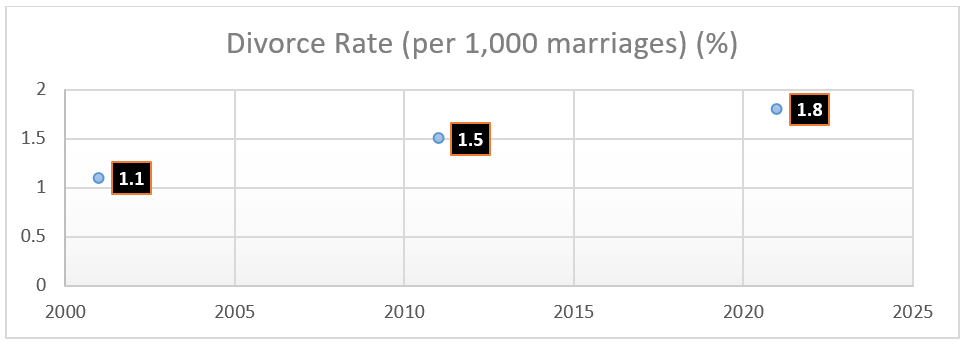
Key Reasons: o Rising financial independence among women. o Changing societal attitudes toward divorce. o Increased awareness of legal rights. Year Divorce Rate (per 1,000 marriages)
Year
Divorce Rate (per 1,000 marriages)
2001
1.1
2011
1.5
2021
1.8
Source: National Family Health Survey (NFHS-5)
Challenges Modern Couples Face
Stress and Burnout • Client: “We’re both so busy with work. By the time we get home, we’re too tired to talk.” • Professional: “Stress is a silent relationship killer. It creates emotional distance and reduces quality time together.”
Communication Breakdown • Client: “We just don’t understand each other anymore. Every conversation turns into an argument.” • Professional: “Poor communication leads to misunderstandings and resentment. It’s one of the most common reasons couples seek therapy.”
Infidelity • Client: “I don’t know if I can trust them again after what happened.” • Professional: “Infidelity shatters trust, but with therapy, couples can rebuild it and even strengthen their bond.”
Financial Pressures • Client: “Money is always a problem. We fight about it constantly.” • Professional: “Financial stress can strain even the strongest relationships. Therapy helps couples navigate these challenges together.”
Changing Gender Roles • Client: “We both have careers, but we can’t seem to balance work and family life.” • Professional: “Modern relationships require flexibility and teamwork. Therapy can help couples redefine roles and expectations.” Why Therapy Matters: A Safe Space for Healing Client: “I’m not sure therapy will help. We’ve tried talking, but it just doesn’t work.” Professional: “Therapy provides a neutral, safe space where both partners can express themselves without fear of judgment. A trained therapist can guide the conversation, helping you understand each other’s perspectives and find solutions.” Key Benefits of Marriage Therapy
Improved Communication o Therapy teaches couples how to listen actively and express themselves clearly. o Tools like reflective listening and “I” statements can transform conversations.
Conflict Resolution o Couples learn to address disagreements constructively, without escalating into fights. o Techniques like time-outs and problem-solving strategies are often introduced.
Rebuilding Trust o For couples dealing with infidelity, therapy provides a structured process to rebuild trust. o Transparency, accountability, and forgiveness are key components.
Enhanced Intimacy o Therapy helps couples reconnect emotionally and physically. o Exercises like shared activities and emotional check-ins can reignite the spark.
Emotional Connection o Couples learn to prioritize each other’s emotional needs. o This fosters a deeper sense of partnership and mutual support.
Urbanization and Modernization • Rapid urbanization has led to changing lifestyles and priorities. • Couples in cities face unique challenges like long work hours and high living costs.
Why Divorce Rates Are Rising in India: A Closer Look
Women’s Empowerment • More women are financially independent and aware of their rights. • They are less likely to stay in unhappy or abusive marriages.
Legal Reforms • Laws like the Hindu Marriage Act and the Protection of Women from Domestic Violence Act have made divorce more accessible. • This has empowered individuals to leave toxic relationships.
Societal Shifts • Stigma around divorce is decreasing, especially in urban areas. • Younger generations are prioritizing personal happiness over societal expectations. Graph: Divorce Rates in India (2001-2021)
Source: National Family Health Survey (NFHS-5)
FAQs
Question: I’ve heard about marriage therapy but am unsure how it works. Can it really help couples like us?
Answers: Absolutely. Marriage therapy provides a safe and structured environment where couples can address their issues with the guidance of a trained professional. It facilitates open communication, helping partners understand each other’s perspectives and work towards mutual solutions.
Question: That sounds promising. But isn’t therapy something people consider only when things are beyond repair?
Answers: That’s a common misconception. In reality, seeking therapy proactively can prevent minor issues from escalating. It’s a proactive step towards maintaining a healthy and fulfilling relationship.
If you’re experiencing challenges in your relationship, consider reaching out to a qualified marriage therapist. Early intervention can make a significant difference, turning potential breaking points into opportunities for growth and deeper connection.
Question: Thank you, Dr. Chauhan. I feel more hopeful about addressing our issues now.
Answers: You’re welcome. Remember, every relationship has its challenges, but with the right support and commitment, many obstacles can be overcome.
Therapy as a Proactive Step Client: “But isn’t therapy only for couples on the brink of divorce?” Professional: “Not at all. Therapy is most effective when couples seek help early, before problems become overwhelming. Think of it as regular maintenance for your relationship, just like you’d service a car to keep it running smoothly.”
Why Choose Sanaroo Healthcare?
• Expert Therapists: Our team specializes in marriage and relationship therapy.
• Personalized Approach: We tailor our sessions to meet your unique needs.
• Confidential and Supportive: Your privacy and comfort are our top priorities.
Take the First Step Today
• Schedule a Session: Contact us to book an appointment with one of our therapists.
• Join a Workshop: Participate in our relationship-building workshops.
• Explore Resources: Visit our website for articles, tools, and tips on strengthening your relationship.
So, Healing Together
In the tapestry of love, threads may fray, But with care and effort, they’ll mend one day.
Rising divorce rates reflect the challenges modern couples face, but they also highlight the need for proactive solutions. Marriage therapy is not a last resort; it’s a powerful tool for healing, growth, and connection.
At Sanaroo Healthcare, we’re here to help you navigate the complexities of love and relationships. Whether you’re struggling with communication, trust, or intimacy, our therapists are ready to guide you toward a brighter future.
“Think Mental Health, Think Sanaroo.”
Additional Resources
Government Helplines:
National Mental Health Helpline (India): 1800-599-0019
Samaritans of Singapore (SOS): 1-767
Recommended Reading:
The Seven Principles for Making Marriage Work by John Gottman
Hold Me Tight by Dr. Sue Johnson
Let’s work together to build stronger, healthier relationships. Reach out to Sanaroo Healthcare today and take the first step toward a happier, more fulfilling partnership.
To provide a clearer picture, let’s look at some government data on marital status in India: Marital Status Percentage of Population
Marital Status
Percentage of Population
Never Married
43.6%
Married
50.1%
Widowed
5.6%
Divorced
0.7%
Source: Ministry of Statistics and Programme Implementation
While the percentage of divorced individuals remains low, it’s essential to recognize the increasing trend and the challenges modern couples face. Addressing these issues proactively through therapy can lead to healthier and more fulfilling relationships.
Note: The data presented is based on available government statistics and may vary with newer surveys.
Many couples face relationship difficulties in Singapore, where the hectic and energetic culture frequently leaves little time for personal interaction. Work commitments, social obligations, and family responsibilities may make even the most committed couples feel distant. Seeking marriage therapy may seem like a drastic step, but it can be a wise decision for couples looking to deepen their bond and enhance communication.
The Modern-Day Marriage Dilemma
In today’s society, busy couples face a distinct set of challenges:
1. Time Constraints: Long work hours and tight schedules can reduce the time spent nurturing the relationship.
2. Communication Gaps: With less time to connect, misunderstandings can accumulate, leading to resentment.
3. Stress and Anxiety: The high-pressure environment in Singapore can result in increased stress levels, which often spill over into personal relationships.
4. Balancing Multiple Roles: Couples often juggle multiple roles—as professionals, parents, and partners—leaving little room for self-care or mutual support.
Marriage therapy offers a space for couples to reflect on their relationship, address unresolved issues, and develop healthy coping mechanisms.
Benefits of Marriage Therapy for Busy Couples
1. Improved Communication
One of the primary focuses of marriage therapy is helping couples develop better communication skills. A therapist acts as a neutral facilitator, ensuring that both partners feel heard and understood.
2. Strengthened Emotional Connection
Over time, couples may experience a weakening of their emotional bond. Therapy sessions are designed to rekindle this connection by fostering empathy and emotional intimacy.
3. Conflict Resolution Skills
Disagreements are inevitable in any relationship, but how couples handle conflict makes all the difference. Therapy provides tools for resolving conflicts in a constructive manner without escalating tensions.
4. Stress Management
With the high levels of stress common in Singapore’s urban environment, therapy can help couples learn stress management techniques, both individually and as a team.
5. Rediscovering Shared Goals
Over time, couples may lose sight of their shared goals and values. Therapy offers a chance to realign on these and set new, achievable relationship goals.
Why Choose Professional Marriage Therapy in Singapore?
Singapore has a growing number of qualified marriage therapists who understand the unique pressures faced by couples in this region. Professional therapy provides:
– Cultural Sensitivity: Therapists in Singapore are well-versed in the local cultural nuances, which can play a significant role in relationship dynamics.
– Convenient Locations: Many clinics offer flexible hours and are conveniently located, making it easier for busy couples to attend sessions.
– Tailored Approaches: Therapy is not a one-size-fits-all solution. Experienced therapists create customized plans based on the couple’s specific needs and challenges.
Tips for Making the Most Out of Marriage Therapy
1. Be Open and Honest: Therapy is most effective when both partners are willing to share their thoughts and feelings openly.
2. Commit to the Process: Change takes time. Regular attendance and active participation are crucial for success.
3. Practice Outside the Sessions: Therapists often assign activities or exercises to practice between sessions. Committing to these can accelerate progress.
4. Set Realistic Expectations: Therapy is not a magic fix but a process that requires effort from both partners.
Final Thoughts
Seeking marriage therapy isn’t a sign of failure—it’s a proactive step towards building a stronger, healthier relationship. For busy couples in Singapore, it can provide the necessary tools to navigate life’s complexities together. Whether you’re newlyweds or have been together for decades, investing time in your relationship through therapy can yield long-term benefits.
If Singapore’s quick lifestyle is putting a strain on your relationship, consider seeking marriage therapy. After all, a strong partnership is the foundation for a successful life.
Frequently Asked Questions (FAQs)
1. How do I know if marriage therapy is right for my relationship?
If you and your partner are facing recurring conflicts, communication issues, or feeling emotionally distant, marriage therapy can help. It’s a proactive step to strengthen your bond and improve your understanding of each other.
2. How long does it typically take to see results from marriage therapy?
The duration varies depending on the couple’s specific needs and issues. Some couples may see improvements after a few sessions, while others may require ongoing support over several months.
3. Can we attend marriage therapy if only one partner is willing to participate?
While it’s ideal for both partners to attend, individual therapy can still be beneficial. A therapist can help one partner develop strategies that may positively influence the relationship.
4. What should we expect during our first marriage therapy session?
The first session usually involves getting to know the couple, understanding their relationship history, and identifying the primary issues they want to work on. The therapist will also outline the goals and structure of future sessions.
FAQs for Online Marriage Therapy Sessions Worldwide
1. Is online marriage therapy as effective as in-person sessions?
Yes, online marriage therapy can be just as effective as in-person sessions. Many couples find that virtual sessions are more convenient and help them feel more comfortable in their home environment.
2. What equipment do we need for online therapy sessions?
You will need a stable internet connection, a device with a camera and microphone (such as a laptop, tablet, or smartphone), and a quiet, private space for your sessions.
3. How do we choose the right therapist for online sessions?
Look for licensed and experienced therapists who specialize in marriage or couples therapy. Reading reviews, checking credentials, and having an initial consultation can help you find the right fit.
4. Can we attend online therapy sessions if we are in different locations?
Yes, many therapists offer online sessions that accommodate couples in different locations. This flexibility can be especially beneficial for couples in long-distance relationships or with frequent travel commitments.