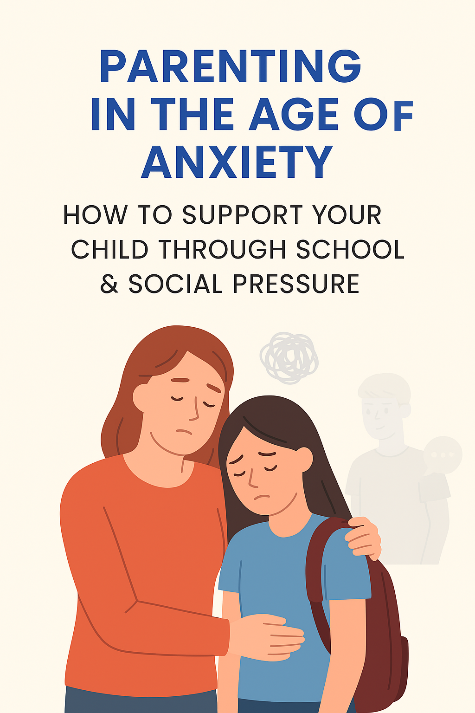
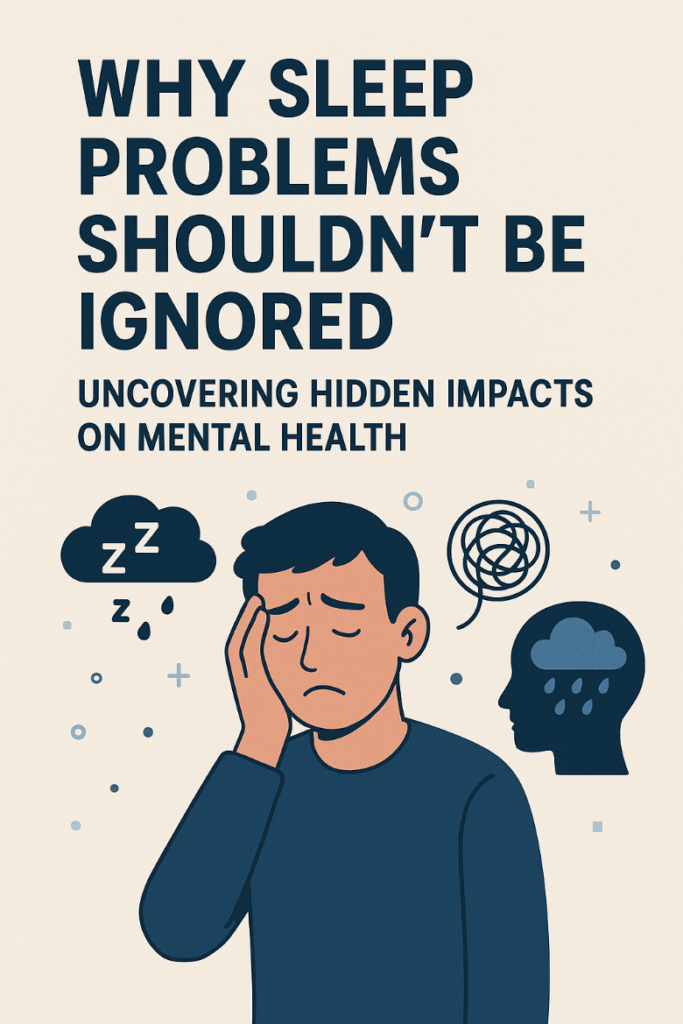
Parenting in the Age of Anxiety: How to Support Your Child Through School & Social Pressure
In today’s, the challenges our children face extend far beyond traditional academic pressures. With technology at our fingertips, social media influencing self-worth, and the relentless pace of modern life, our kids are increasingly exposed to sources of anxiety and stress. As a psychological expert, I have observed that effective parenting in this era means not […]
In today’s, the challenges our children face extend far beyond traditional academic pressures. With technology at our fingertips, social media influencing self-worth, and the relentless pace of modern life, our kids are increasingly exposed to sources of anxiety and stress. As a psychological expert, I have observed that effective parenting in this era means not only addressing academic needs but also fostering emotional resilience and psychological well-being. This comprehensive guide offers insights and actionable strategies to help parents support their children as they navigate the complexities of school and social pressures.
Understanding Modern Childhood Stress
Modern children and adolescents are growing up in a world where the expectation for academic excellence is intertwined with the constant connectivity of digital life. The pressures of competitive school environments, coupled with the omnipresent influence of social media, can lead to a heightened state of anxiety. Research indicates that chronic stress in children can impair cognitive function, hinder emotional regulation, and even affect physical health. These findings underscore the urgent need for parents to become proactive in mitigating these stressors.
The Impact of School Pressure
For many students, academic success is not just a personal goal—it’s a prerequisite for future opportunities. The burden of high expectations, standardized testing, and college admissions can create a constant sense of pressure. Children often internalize these pressures, leading to anxiety that manifests as perfectionism, fear of failure, and self-doubt.
The Social Media Dilemma
Social media platforms offer a double-edged sword. While they provide avenues for creativity and connection, they also expose children to relentless comparison, cyberbullying, and unrealistic portrayals of success. The curated nature of online lives can distort self-perception and amplify feelings of inadequacy. In this digital era, parents must help their children develop a balanced perspective on online interactions and maintain a healthy self-image.
The Role of Parents in Navigating Anxiety
Parents are the cornerstone of emotional support. Your role as a caregiver extends into the realm of mental health, where modeling calm, resilience, and empathy can profoundly influence your child’s response to stress. Here are several strategies that can empower both you and your child to navigate the turbulent waters of modern anxiety.
1. Foster Open Communication
Creating a safe space for dialogue is crucial. Encourage your children to share their fears, concerns, and experiences without the fear of judgment or immediate correction. When children feel heard and validated, they are more likely to express their anxieties and work through them collaboratively with you.
Effective Strategy: Establish regular “talk time” during the day or week where you can discuss emotions, challenges, and successes. Listen actively and empathize with their feelings rather than dismissing or minimizing their experiences.
2. Model Healthy Stress Management
Children learn by observing. Your behavior sets a powerful example of how to handle stress. By openly discussing your own stress management techniques—such as mindfulness, exercise, or creative outlets—you provide a practical roadmap for your child to emulate.
Effective Strategy: Share your daily routine that includes moments of relaxation, meditation, or even simple breathing exercises. Explain how these practices help you stay grounded during stressful times, and consider engaging in them together as a family.
3. Encourage a Balanced Lifestyle
A well-rounded life is the antidote to anxiety. While academics and digital engagement are important, so too are physical activities, creative pursuits, and downtime. Encourage your child to pursue hobbies, spend time outdoors, and maintain a balanced schedule.
Effective Strategy: Develop a family schedule that includes designated times for study, play, and relaxation. Ensure that there is ample time away from screens and that physical activities are a regular part of the daily routine.
4. Set Realistic Expectations
The pressure to achieve perfection can be debilitating. Help your child understand that it’s okay to make mistakes and that failure is an essential part of growth. By setting realistic expectations, you help alleviate the internalized pressure to be flawless.
Effective Strategy: Celebrate effort over outcomes. Focus on progress and learning rather than just grades or accolades. Remind your child that every experience, whether successful or not, is a stepping stone toward personal growth.
Specific Techniques for Building Resilience
Resilience is not an innate trait—it is cultivated over time through experience, guidance, and support. Below are several practical techniques that can help build emotional resilience in your child:
Mindfulness and Meditation
Mindfulness is a powerful tool for managing anxiety. It encourages present-moment awareness and helps children detach from overwhelming thoughts and feelings. Teaching mindfulness can help reduce anxiety by promoting a calm, focused state of mind.
Effective Strategy: Introduce short, guided meditation sessions into your child’s routine. There are many apps and online resources specifically designed for children that offer simple mindfulness exercises.
Cognitive Behavioral Strategies
Cognitive Behavioral Therapy (CBT) techniques can help your child identify and challenge negative thought patterns. By reframing these thoughts, your child can develop a more balanced perspective on stressful situations.
Effective Strategy: Encourage your child to keep a journal where they note down negative thoughts and then write alternative, more positive perspectives. This practice helps in recognizing cognitive distortions and replacing them with constructive insights.
Emotional Regulation Skills
Helping your child understand and manage their emotions is key to reducing anxiety. Techniques such as deep breathing, visualization, and even physical exercise can be effective in regulating emotional responses.
Effective Strategy: Teach your child simple deep-breathing exercises. For instance, the “4-7-8” technique—inhaling for 4 seconds, holding for 7 seconds, and exhaling for 8 seconds—can be a practical tool during moments of stress.
Social and Emotional Learning (SEL)
Incorporating social and emotional learning into daily life can significantly enhance a child’s ability to manage stress. SEL programs in schools have shown great success in improving emotional intelligence and reducing anxiety.
Effective Strategy: Engage in family activities that promote empathy, collaboration, and problem-solving. Discuss scenarios from daily life where emotional intelligence played a key role in resolving conflicts or overcoming challenges.
How Parents Can Take Action: Practical Steps
As a parent, there are several proactive measures you can adopt to support your child in the age of anxiety:
Create a Stress-Relief Environment at Home: Dedicate a space in your home where your child can unwind—a quiet corner with calming decor, soft lighting, and a selection of stress-relief tools such as books, puzzles, or art supplies.
Monitor and Moderate Digital Exposure: While technology is an integral part of modern life, it is essential to set boundaries. Limit screen time and encourage offline activities that promote creativity and physical activity.
Collaborate with Educators: Work closely with your child’s teachers to ensure they are aware of the pressures your child faces. Advocate for mental health programs and stress management workshops in schools, and stay informed about the school’s policies on academic pressure and mental health.
Seek Professional Support When Needed: If you notice persistent signs of anxiety that interfere with your child’s daily functioning, don’t hesitate to consult a mental health professional. Early intervention can prevent minor issues from escalating into more serious conditions.
Engage in Community and School Programs: Look for opportunities to participate in workshops, seminars, and support groups that focus on stress management for children and adolescents. These programs not only offer practical tools but also create a network of support among parents facing similar challenges.
Educate Yourself Continuously: Stay informed about the latest research on childhood stress and anxiety. Understanding the underlying causes and effective strategies can empower you to better support your child.
In Short
Parenting in the age of anxiety requires vigilance, empathy, and proactive engagement. In 2025, the pressures of academic expectations, social media, and evolving societal norms have made stress a pervasive part of a child’s life. However, by embracing effective stress management strategies, parents can create an environment where their children not only survive but thrive.
From fostering open communication and modeling healthy stress management behaviors to incorporating mindfulness, cognitive behavioral techniques, and balanced lifestyles, every step you take can significantly enhance your child’s resilience. In doing so, you help them build the emotional toolkit necessary for navigating life’s challenges—preparing them not just for academic success but for a fulfilling, balanced future.
Remember, the journey to a stress-resilient generation begins at home. Your active involvement, informed guidance, and compassionate support can transform the way your child experiences and responds to stress. Embrace the challenge, and empower your child with the knowledge and tools to overcome anxiety, leading them to a healthier, happier, and more productive life.
FAQs
Q1. At what age should children start learning stress management techniques? Research suggests that even young children can benefit from simplified stress management practices. Starting around ages 6-7, children can learn basic mindfulness and deep-breathing exercises that grow with them.
Q2. How can parents effectively limit digital stressors without restricting academic use of technology? It’s all about balance. Set clear rules for recreational screen time while allowing digital tools for educational purposes. Encourage offline activities and lead by example with your own digital habits.
Q3. What signs indicate that my child might need professional help for stress or anxiety? Persistent changes in behavior, sleep disturbances, withdrawal from social activities, and a noticeable decline in academic performance are red flags. If these signs persist, consult a mental health professional.
Q4. Can stress management skills really improve academic performance? Yes, by reducing anxiety and improving concentration, stress management skills can help children perform better academically while also enhancing their overall well-being.
By implementing these strategies and nurturing an open, supportive home environment, you are taking a critical step toward empowering your child to face today’s challenges with confidence and resilience.
Sleep is essential for our overall health, yet many people struggle with sleep problems. As a mental health expert working with government agencies, I want to emphasize that sleep disturbances are not just a minor inconvenience—they can have a serious impact on our mood, cognition, and overall well-being. In this article, we will explore how poor sleep affects our mental health, what hidden impacts it may have, and what can be done to address these issues.
The Importance of a Good Night’s Sleep
Sleep is a vital process that helps our bodies repair and rejuvenate. It is during sleep that our brain processes information, forms memories, and resets our emotional state. When we get enough rest, our mood stabilizes, our concentration improves, and we are better equipped to handle daily challenges. However, when sleep problems occur, the consequences can reach far beyond mere tiredness.
Sleep and Its Role in Mental Health
Sleep problems such as insomnia, sleep apnea, and restless sleep can lead to:
Mood Changes: Lack of sleep is closely linked to irritability, anxiety, and depression.
Cognitive Impairments: Poor sleep can affect attention, memory, and decision-making skills.
Physical Health Issues: Chronic sleep disturbances are associated with higher risks of cardiovascular diseases, obesity, and weakened immune systems.
Government studies and research have consistently shown that untreated sleep problems can lead to a decline in mental health. Recognizing and addressing these issues early can prevent more serious conditions from developing.
How Sleep Disturbances Affect Mood
Mood is one of the first areas impacted by sleep disturbances. When you do not sleep well, you may notice that you feel more irritable, anxious, or even sad. Here are some key points on how sleep problems affect mood:
Increased Irritability and Stress
When you are sleep-deprived, the brain struggles to regulate emotions effectively. This leads to heightened stress responses and makes you more susceptible to everyday irritations. Research indicates that sleep-deprived individuals may experience up to a 60% increase in irritability compared to those who sleep well.
Risk of Depression and Anxiety
Long-term sleep problems are linked to the development of mood disorders such as depression and anxiety. The brain’s ability to manage stress hormones is compromised when it does not get sufficient rest. Over time, this imbalance can lead to significant mood disorders. In fact, studies suggest that people with chronic insomnia are twice as likely to experience depression.
Emotional Regulation
Adequate sleep is crucial for emotional regulation. When sleep is disrupted, the amygdala—the part of the brain responsible for emotional responses—becomes overactive. This results in an exaggerated response to stress and negative emotions. Consequently, even minor setbacks can trigger a strong emotional reaction.
The Cognitive Consequences of Poor Sleep
Concentration and memory are essential for daily functioning, and they are among the first cognitive areas affected by sleep problems. Here’s how sleep disturbances impact our mental processes:
Impaired Concentration and Attention
When you don’t get enough sleep, your brain’s ability to focus diminishes. This can make even simple tasks seem challenging. Many people with sleep disturbances report feeling “foggy” or unable to concentrate on work or school. Reduced concentration not only affects productivity but can also increase the risk of accidents, especially in tasks that require alertness, such as driving.
Memory Problems
Sleep plays a crucial role in memory consolidation. During sleep, particularly during the deep stages, the brain organizes and stores the information you have gathered throughout the day. Without sufficient sleep, this process is interrupted, leading to difficulties in forming new memories and recalling information.
Sleep deprivation also affects executive functions such as decision-making and problem-solving. When your brain is tired, you may find it harder to weigh options, make judgments, or respond quickly to changing circumstances. This can affect not only personal decisions but also professional and social interactions.
Overall Well-Being and Physical Health
The impacts of sleep problems extend beyond mood and cognition. Poor sleep can have a domino effect on overall well-being, leading to various physical health issues that further exacerbate mental health challenges.
Physical Health Consequences
Chronic sleep deprivation is associated with numerous health problems, including:
Cardiovascular Issues: Inadequate sleep increases the risk of high blood pressure, heart attacks, and stroke.
Weakened Immune System: Lack of sleep can compromise your immune system, making you more susceptible to infections.
Metabolic Disorders: Poor sleep patterns are linked to an increased risk of obesity and type 2 diabetes.
These physical health issues can, in turn, impact mental health. For example, chronic pain from physical conditions can lead to increased stress and depression, creating a vicious cycle that further disrupts sleep.
Impact on Daily Functioning
When sleep problems persist, they can interfere with your ability to perform everyday tasks. The resulting fatigue can make it difficult to manage responsibilities at work, school, or home. This loss of functionality can lead to feelings of frustration, decreased self-esteem, and a sense of helplessness, all of which contribute to deteriorating mental health.
Uncovering the Hidden Impacts
Many people underestimate the long-term consequences of sleep problems. However, the hidden impacts on mental health are profound and far-reaching. Some of these include:
Increased Vulnerability to Stress
Without sufficient sleep, the body’s ability to handle stress diminishes. This means that even small stressors can feel overwhelming, leading to an overactive stress response. Over time, this heightened sensitivity to stress can make it increasingly difficult to manage daily pressures.
Social and Relationship Challenges
Sleep problems can also affect your social interactions. When you are sleep-deprived, you may become more withdrawn or irritable, which can strain relationships with family, friends, and colleagues. Effective communication and empathy become harder to maintain, potentially leading to isolation and loneliness.
Long-Term Mental Health Risks
The cumulative effect of chronic sleep disturbances is a higher risk of developing serious mental health disorders. Long-term research has linked sleep problems with a greater likelihood of developing conditions such as anxiety disorders, depression, and even bipolar disorder. It is crucial to view sleep problems as an early warning sign rather than a temporary inconvenience.
Strategies to Improve Sleep and Mental Health
Addressing sleep problems is key to protecting and improving mental health. Here are some practical strategies recommended by mental health experts and government agencies:
Establish a Consistent Sleep Schedule
Going to bed and waking up at the same time every day can help regulate your body’s internal clock. Consistency is vital for maintaining healthy sleep patterns.
Create a Sleep-Friendly Environment
Ensure that your sleeping environment is comfortable, quiet, and dark. Consider using blackout curtains, white noise machines, or earplugs if needed. A comfortable mattress and pillow can also make a significant difference.
Limit Screen Time Before Bed
The blue light emitted by screens on phones, tablets, and computers can interfere with the production of melatonin, a hormone that regulates sleep. Try to avoid screens at least one hour before bedtime.
Practice Relaxation Techniques
Incorporate relaxation techniques into your bedtime routine. Activities such as deep breathing, meditation, or gentle stretching can help calm the mind and signal to your body that it’s time to sleep.
Seek Professional Help
If sleep problems persist despite these efforts, it is important to consult a healthcare professional. Sleep disorders, such as insomnia or sleep apnea, may require professional diagnosis and treatment. Early intervention can prevent the development of more serious mental health issues.
The Government’s Role in Promoting Healthy Sleep
Recognizing the critical link between sleep and mental health, government health agencies are increasingly focused on public awareness campaigns. These initiatives aim to educate the public about the importance of good sleep hygiene and provide resources for those struggling with sleep problems. By fostering community programs and supporting research into sleep disorders, governments are taking proactive steps to improve the overall well-being of their citizens.
Public Awareness and Education
Educational campaigns on sleep health help dispel myths and provide accurate information about the importance of sleep. Government websites, community health centers, and public service announcements play a key role in reaching a broad audience and offering practical advice.
Support for Research
Government funding for sleep research has increased in recent years. This research is vital for understanding the underlying causes of sleep disturbances and developing effective treatment strategies. Continued investment in this area is crucial for enhancing public health outcomes.
Workplace Initiatives
Recognizing that many adults struggle with sleep due to job-related stress, some government initiatives focus on improving workplace environments. Programs that encourage flexible work hours, stress management training, and wellness initiatives can contribute to better sleep and, consequently, better mental health.
FAQs
Q1: How many hours of sleep are recommended for adults? A1: Most adults should aim for 7 to 9 hours of sleep per night to support optimal mental and physical health.
Q2: What are the common signs that sleep problems are affecting my mental health? A2: Common signs include increased irritability, difficulty concentrating, memory issues, and feelings of anxiety or depression.
Q3: Can improving my sleep really make a difference in my mood and cognitive function? A3: Yes, better sleep can lead to improved mood regulation, sharper cognitive function, and reduced stress levels.
Q4: What simple steps can I take to create a better sleep environment? A4: Consider establishing a consistent sleep schedule, reducing screen time before bed, using blackout curtains, and practicing relaxation techniques.
Q5: When should I seek professional help for sleep problems? A5: If sleep issues persist for more than a few weeks or begin to significantly interfere with your daily life, consult a healthcare professional.
Final Thoughts
Sleep problems are much more than an inconvenience. They are a signal from your body that something is amiss. As we have discussed, sleep disturbances have significant hidden impacts on mental health, affecting mood, cognition, and overall well-being. By understanding these effects and taking proactive steps—such as maintaining a consistent sleep schedule, creating a sleep-friendly environment, and seeking professional support when necessary—you can protect your mental health and improve your quality of life.
It is important to remember that sleep is not a luxury but a necessity. Recognizing the signs of sleep disturbances early on can help prevent the development of more serious mental health conditions. The collective efforts of individuals, communities, and government agencies are essential in promoting healthy sleep habits and ensuring that everyone has the opportunity to live a balanced, fulfilling life.
As we continue to prioritize sleep health, we contribute not only to individual well-being but also to a healthier society overall. Good sleep is a cornerstone of mental health, and by paying attention to our sleep patterns, we are taking an important step toward a better future. Remember, every good night’s sleep is an investment in your health—one that pays dividends in improved mood, sharper thinking, and a more resilient mind.
In today’s many of us struggle with concentration challenges and overthinking. These issues can disrupt our daily routines, hinder productivity, and sap our mental energy. However, understanding the cycle and applying proven strategies can help you regain focus and calm your mind. This article explores various cognitive techniques and mindfulness practices that you can use to break the cycle of distraction and over-analysis, enabling you to live a more balanced, focused life.
Understanding the Vicious Cycle
When we overthink, our minds get trapped in a loop of repetitive thoughts that often lead to anxiety and stress. This excessive rumination can sap our energy and make it difficult to concentrate on tasks. The more you try to force focus, the more elusive it becomes. Instead, a more effective approach involves recognizing the cycle, understanding its roots, and applying techniques to gently steer your mind back on track.
The Impact on Daily Life
Overthinking and concentration issues can manifest in several ways:
Procrastination: Dwelling on every potential mistake or consequence can make starting a task overwhelming.
Reduced Productivity: Your mind, busy with endless “what if” scenarios, struggles to prioritize the present.
Emotional Drain: Persistent over-analysis can lead to increased stress and decreased self-confidence.
Research indicates that individuals who overthink often experience up to a 40% reduction in their ability to focus on tasks. Yet, incorporating targeted cognitive techniques and mindfulness practices can help reverse these effects and improve mental clarity.
Cognitive Techniques for Regaining Focus
Cognitive techniques are practical strategies that help you manage your thought patterns. They aim to break the cycle of overthinking by challenging negative thought patterns and establishing healthier mental habits.
1. Thought Challenging and Cognitive Restructuring
One powerful cognitive technique is challenging your negative thoughts. When you catch yourself spiraling into overthinking, ask:
Is this thought based on fact or assumption?
What evidence supports this thought?
How can I reframe this thought in a more positive or realistic light?
For example, if you’re worried about failing a project, remind yourself of past successes and acknowledge that one setback does not define your entire capability. Over time, this method helps rewire your brain to focus on positive outcomes rather than worst-case scenarios.
2. Journaling and Reflective Writing
Writing down your thoughts can serve as a release valve. Journaling allows you to capture your worries and concerns on paper, reducing the mental clutter that fuels overthinking. Consider setting aside a few minutes each day to write freely about your thoughts and feelings. This practice can help you:
Identify recurring patterns in your thinking.
Recognize triggers that lead to overthinking.
Develop insights into alternative, healthier perspectives.
3. Setting Priorities and Time Blocking
Often, concentration challenges arise when our schedules become overwhelming. Using techniques like time blocking can improve your focus by allocating specific time slots for tasks. Create a list of priorities and assign fixed periods for work, relaxation, and reflection. This structured approach prevents your mind from wandering and reduces the opportunity for overthinking.
4. Using a Focus Timer
Simple tools such as a focus timer or the Pomodoro Technique—where you work for 25 minutes and then take a 5-minute break—can help break long periods of overthinking. The scheduled breaks provide a chance to reset and refresh your mind, preventing cognitive overload.
Data Snapshot: Impact of Cognitive Techniques
The following table summarizes some numeric insights into how cognitive techniques can impact focus and reduce overthinking:
Parameter
Value/Effectiveness
Average Hours of Overthinking per Day
2.5 hours (typical for stressed individuals)
Reduction in Focus During Overthinking
Up to 40% reduction in concentration
Improvement in Focus with Cognitive Techniques
Approximately 35% improvement
Increase in Task Efficiency with Time Blocking
25-30% efficiency gain
These numbers offer a general perspective and may vary among individuals based on personal circumstances and consistency of practice.
Mindfulness Practices to Enhance Focus and Calm
Mindfulness is a powerful tool for overcoming concentration challenges and calming an overactive mind. It involves staying present and fully engaging with the current moment, which can prevent you from getting lost in endless thoughts about the past or future.
1. Meditation and Breathing Exercises
Regular meditation practice has been shown to improve attention and reduce stress levels significantly. Even a short daily meditation session can lead to noticeable improvements in concentration. Begin with these steps:
Find a quiet space and sit comfortably.
Focus on your breathing, observing each inhale and exhale.
If your mind wanders, gently bring your focus back to your breath.
Start with 5 to 10 minutes and gradually increase the duration.
Breathing exercises, such as the 4-7-8 technique (inhale for 4 seconds, hold for 7, exhale for 8), can quickly calm the mind and restore focus during moments of stress.
2. Body Scans and Progressive Relaxation
A body scan is a mindfulness practice that involves mentally reviewing your body from head to toe. This exercise helps you notice areas of tension or discomfort that might be linked to overthinking. Progressive muscle relaxation, where you tense and then release muscle groups, can also be effective in reducing physical tension and enhancing mental clarity.
3. Mindful Awareness in Daily Activities
Mindfulness isn’t limited to formal meditation. You can integrate mindful awareness into everyday activities such as eating, walking, or even washing dishes. Paying full attention to the sensory experiences—what you see, hear, feel, and smell—grounds you in the present moment and interrupts the cycle of overthinking.
4. Guided Imagery and Visualization
Guided imagery involves visualizing a peaceful scene or a successful outcome to a challenge. This technique not only reduces stress but also reinforces a positive mindset. When you visualize a calm, serene environment, your body can enter a state of relaxation, reducing the impact of overthinking on your concentration.
Data Snapshot: Benefits of Mindfulness Practices
The table below presents some estimated numerical values on the effectiveness of mindfulness practices:
Mindfulness Technique
Reported Improvement in Focus/Calm (%)
Daily Meditation (10-15 minutes)
40-50% increase in focus
Breathing Exercises (e.g., 4-7-8)
30-40% reduction in stress levels
Mindful Awareness in Daily Life
35% improvement in overall mindfulness
Guided Imagery
25-30% enhancement in positive thinking
These figures are averages derived from various studies and can differ based on individual practice and consistency.
Integrating Cognitive Techniques and Mindfulness
While both cognitive techniques and mindfulness practices are effective on their own, integrating them can create a powerful strategy to combat overthinking and improve concentration. Here’s how you can combine these approaches:
Creating a Daily Routine
Establish a daily routine that incorporates both structured cognitive practices and mindfulness sessions. For example:
Morning: Begin your day with a short meditation to set a calm tone. Follow it with journaling to outline your priorities.
Midday: Use focus timers or time-blocking techniques while working on tasks. Take mindful breaks, perhaps a quick body scan or breathing exercise.
Evening: Reflect on the day’s achievements and challenges through reflective writing. Conclude with a guided imagery session to unwind.
Monitoring Progress
Keep track of your progress by maintaining a simple log or journal. Note down when you practice each technique, how you feel before and after, and any noticeable improvements in focus or reduction in overthinking. Over time, you’ll begin to see patterns that help you understand which methods work best for you.
Adjusting as Needed
Everyone’s mind works differently. The key to success is flexibility. If a particular technique isn’t helping, be open to trying a different approach. Regularly review your strategies, celebrate small wins, and adjust your routine to better suit your evolving needs.
Overcoming Barriers to Success
Breaking the cycle of overthinking and concentration challenges isn’t always easy. You might encounter obstacles such as self-doubt, lack of motivation, or an environment full of distractions. Here are a few tips to overcome these barriers:
Set Realistic Goals: Don’t expect overnight transformation. Small, incremental changes can lead to significant improvements over time.
Be Patient: Changing thought patterns takes time and consistent practice. Recognize that setbacks are a natural part of the process.
Seek Support: Consider joining a support group or working with a therapist. Sometimes, discussing your challenges with others who understand can provide valuable insights and encouragement.
Create a Conducive Environment: Identify and eliminate distractions. A quiet, organized space can significantly enhance your ability to concentrate and practice mindfulness.
Real-Life Success Stories
Many individuals have successfully broken the cycle of overthinking by incorporating these strategies. For instance, Sarah, a college student, found that journaling and daily meditation helped her overcome anxiety before exams. By setting specific study blocks and practicing mindfulness, she not only improved her grades but also felt more in control of her emotions. Similarly, Mark, a working professional, integrated time blocking and guided imagery into his daily routine. Over time, he noticed a marked decrease in his stress levels and a significant improvement in his focus at work.
Final Thoughts
Breaking the cycle of overthinking and concentration challenges is a journey—a gradual process that requires patience, persistence, and self-compassion. By incorporating cognitive techniques like thought challenging, journaling, and structured time management alongside mindfulness practices such as meditation, breathing exercises, and guided imagery, you can create a balanced approach to reclaim your focus and regain calm.
Remember that the strategies discussed in this article are tools that you can tailor to your personal needs. What works for one person might need a little tweaking for another. The important thing is to stay committed and be open to experimenting with different techniques until you find your ideal mix.
Taking the first step can be daunting, but each moment of awareness and every small practice builds towards a clearer, more focused mind. Embrace the journey, and know that you have the power to break free from the cycle of overthinking and distraction.
Start today by dedicating a few minutes to either mindful meditation or a focused journaling session, and gradually build your routine. Over time, you may find that what once felt like an endless struggle becomes a manageable part of your daily life—a constant reminder that your mind, when cared for, can be a source of strength and clarity rather than a well of distraction.
By embracing both cognitive techniques and mindfulness practices, you can break the cycle of overthinking, improve your concentration, and regain a sense of calm in your life. Whether you’re a student facing academic pressures, a professional dealing with a heavy workload, or anyone in need of mental clarity, these strategies are within your reach. Remember: change is a process, and each step forward is a victory worth celebrating.
Many adults experience a lack of concentration and focus, which can affect every aspect of daily life. Several factors contribute to this issue, from external stressors and lifestyle choices to internal factors like anxiety and overthinking. When you ask, “Why can’t I think clearly anymore?” it may be a combination of mental fatigue, excessive worry, or even underlying health issues that disrupt your cognitive abilities. A lack of motivation often goes hand in hand with these concentration struggles, making it difficult for individuals to set priorities or engage in meaningful tasks.
Trouble concentrating and remembering can stem from a constant mental overload where the mind is caught in a loop of overthinking. This can lead to a vicious cycle where anxiety builds, further impairing clarity of thought and reducing overall productivity. Overthinking not only clouds judgment but also has tangible effects on the body, including fatigue and increased stress levels. If you find yourself asking, “What do I do when I have trouble focusing?” consider exploring strategies such as mindfulness practices, cognitive restructuring, and proper time management. These methods can help break the cycle of distraction, allowing you to regain mental clarity and restore focus amidst life’s challenges.
Introduction: The Silent Crisis in India’s Urban Landscape
India’s rapid urbanization and societal shifts have birthed unique mental health challenges. From students buckling under academic pressure in Kota to corporate professionals in Bengaluru battling burnout, crises like panic attacks, suicidal ideation, and emotional breakdowns are rising. Yet, stigma often silences sufferers. This blog explores how online crisis intervention counseling India is bridging gaps, offering discreet, culturally nuanced support. Through real-life scenarios, we’ll uncover how emergency mental health support India is rewriting survival stories.
Unique Crisis Scenarios in Indian Society
1. The Kota Student: Academic Pressure & Suicidal Ideation
Scenario: Crushing academic pressure drives many Kota students to despair. Rahul, 18, moved to Kota to prepare for engineering entrance exams. After failing mock tests, he began isolating himself, writing suicidal notes. His parents, unaware of his despair, dismissed his mood swings as “teenage drama.”
How Counseling Helps: A friend suggested suicidal ideation counseling online India. Through virtual sessions, Rahul learned coping strategies for failure and communicated his fears to his family. Therapists used safety planning for individuals in immediate danger to create a step-by-step crisis management plan.
2. The Bengaluru IT Professional: Panic Attacks & Burnout
Scenario: Priya, 28, faced relentless deadlines at her IT job. One night, she experienced chest pain, sweating, and a fear of dying—a severe panic attack. She Googled “panic attack counseling virtual sessions” at 2 AM.
How Counseling Helps: A therapist taught her to grounding techniques for immediate stress relief, like the 5-4-3-2-1 method. She also joined online crisis counseling for trauma India to address chronic burnout.
3. The Mumbai Housewife: Marital Conflict & Emotional Crisis
Scenario: Marital conflicts and household pressures often leave individuals feeling trapped. Seema, 35, faced daily arguments with her husband and in-laws. Feeling trapped, she contemplated self-harm. A community health worker referred her to affordable virtual crisis counseling Chennai.
How Counseling Helps: Counselors used de-escalation techniques for emotional crises to mediate family conflicts. Group sessions helped her build a support network.
4. The Punjab Farmer: Debt & Situational Crisis
Scenario: Amid crop failure, Gurdeep Singh, 52, saw no escape from debt. He stockpiled pesticides, planning suicide. A rural NGO connected him to emergency mental health support India via video call.
How Counseling Helps: Therapists applied active listening and empathy in crisis counseling, validating his struggles while brainstorming financial solutions.
5. The Kolkata LGBTQ+ Youth: Identity-Based Trauma
Scenario: Rejection and isolation leave many LGBTQ+ youth struggling with mental health. Arjun, 21, faced rejection from his family after coming out. He struggled with acute anxiety and self-harm urges until he found online crisis counseling for trauma India.
How Counseling Helps: Specialized counselors used emotional crisis intervention techniques to help him process grief and build resilience.
Crisis Intervention Basics: A Framework for India
Term
Explanation
Indian Context Example
What is Crisis Intervention Counseling?
Short-term support to stabilize individuals in acute distress.
A Delhi student receiving same-day virtual sessions after exam failure.
Culturally Adapted Techniques: Using yoga-based grounding exercises or family-mediated sessions.
Affordable Packages: Sliding-scale fees for queries like “affordable virtual crisis counseling Chennai”.
Awareness Campaigns: Collaborating with influencers to normalize phrases like “panic attack counseling virtual sessions”.
Conclusion: Breaking the Silence, Building Resilience
India’s mental health revolution is quietly unfolding through screens. Whether it’s a student in Kota, a farmer in Punjab, or an IT worker in Bengaluru, online crisis intervention counseling India is proving that help is just a click away. By searching “Online crisis counselor Delhi/Mumbai/Bangalore” or “emergency mental health support India”, millions are finding hope—one session at a time.
Understanding Teen Depression: Persistent Depressive Disorder, Symptoms, Causes, and Diagnosis and Management of Depression in Adolescents
1. Why Adolescent Mental Health Needs Attention
Adolescence is a period of rapid growth and emotional change. As young people navigate identity, relationships, and responsibilities, many experience mental health challenges, especially depression. According to the World Health Organization (2021), depression is one of the leading causes of illness and disability among adolescents globally, affecting an estimated 13% of 10–19-year-olds.
Adolescents in high-income countries often face academic pressure and social media influence, while those in low- and middle-income countries may encounter stigma, economic stress, and lack of access to mental health resources (UNICEF, 2021). Understanding these nuances helps parents support their children more effectively, regardless of where they live.
2. Spotting the Signs of Depression and Anxiety
Adolescents may not always express depression in expected ways. Instead of sadness, they might exhibit irritability, low energy, social withdrawal, or physical complaints like headaches (Racine et al., 2022). Anxiety often coexists with depression, showing up as restlessness, excessive worry, or avoidance behaviors.
Common signs include:
Changes in sleep or appetite
Loss of interest in activities
Drop in academic performance
Expressions of hopelessness or worthlessness
Difficulty concentrating
Early recognition of these signs allows for timely intervention and better outcomes (Tang et al., 2023).
3. How Trauma and Family Dynamics Play a Role
Adolescents who had unstable or unsafe childhoods may develop hyper-independence as a survival response, finding it hard to trust or rely on others. This is often tied to early adverse experiences and disrupted attachment patterns (Zegarra-Valdivia et al., 2021).
Family dynamics, including parental warmth, emotional availability, and communication, are strongly linked to adolescent mental health. Supportive relationships are associated with lower rates of depression and anxiety, while conflict or emotional distance can increase risk (Fitzsimons et al., 2020).
Understanding these influences helps parents shift from self-blame to empathy, realizing that small changes at home can support healing.
Here are 5 simple, effective ways to support your child:
Create a Safe Space Let them know it’s okay to talk about anything without judgment or consequences.
Listen Actively Focus on hearing them, not fixing. Validating their feelings can be more powerful than advice.
Model Healthy Coping Share your own strategies for managing stress and emotions. Adolescents often learn by example.
Encourage Small Routines Regular sleep, meals, and movement help stabilize mood (Chadi et al., 2021).
Be Patient Healing takes time. Your consistent support provides the emotional security they need.
5. When to Seek Professional Help
If your child’s symptoms persist for more than two weeks, interfere with daily life, or include thoughts of self-harm, seeking help from a mental health professional is vital. Therapy offers a safe space, practical tools, and support tailored to their unique needs (Torok et al., 2020).
Seeking help is a sign of strength, not failure. It shows care and commitment to your child’s well-being.
Conclusion: Supporting Your Child with Compassion
As a parent, you don’t need to have all the answers—but your presence, empathy, and willingness to understand can make a significant difference. Depression can feel isolating, but you and your child are not alone.
If you feel ready, professional support is available to guide both of you through this journey with care, respect, and hope for brighter days ahead.
References (APA 7th Edition)
Chadi, N., Amedro, P., Lemaire-Paquette, S., Francoeur, J., & Drouin, O. (2021). Screen time and adolescent mental health: Current evidence and future directions. Current Opinion in Pediatrics, 33(4), 486–491.https://doi.org/10.1097/MOP.0000000000001035
Fitzsimons, E., Villadsen, A., & Ploubidis, G. (2020). Mental health of parents and their adolescent children during the COVID-19 pandemic: Longitudinal evidence from the UK. The Lancet Psychiatry, 7(12), 1047–1056.https://doi.org/10.1016/S2215-0366(20)30416-3
Racine, N., McArthur, B. A., Cooke, J. E., Eirich, R., Zhu, J., Madigan, S., & Tough, S. (2022). Global prevalence of depressive and anxiety symptoms in children and adolescents during COVID-19: A meta-analysis. JAMA Pediatrics, 176(11), 1142–1150.https://doi.org/10.1001/jamapediatrics.2022.2735
Tang, S., Xiang, M., Cheung, T., & Xiang, Y. T. (2023). Mental health and its correlates among children and adolescents during COVID-19 school closure: The importance of parent-child discussion. Journal of Affective Disorders, 326, 1–8.https://doi.org/10.1016/j.jad.2023.02.012
Zegarra-Valdivia, J. A., Taype-Rondan, A., Herrera-Añazco, P., & Tellez, W. A. (2021). Association between childhood adversity and depressive symptoms among adolescents: A population-based study. BMC Psychiatry, 21(1), 1–9.https://doi.org/10.1186/s12888-021-03448-w
1. What to Expect in Your First Online Group Counselling Session
Entering your first online group counselling session can feel both exciting and nerve‐wracking. During this initial experience, you’ll be introduced to a supportive virtual community where individuals share similar challenges. The session typically starts with a brief orientation by the facilitator, who explains the structure, guidelines, and confidentiality expectations.
You might wonder, “Will I have to share in the first session?” or “What if I don’t know what to say?” Rest assured, you’re encouraged to share only what you feel comfortable with, and there’s no pressure to speak until you’re ready. Participants are invited to introduce themselves, share a bit about their background, and explain their reasons for joining. Many first‐time attendees have shared that just hearing others speak gave them the confidence to share their own stories in later sessions.
The session is designed to mimic the warmth and empathy of in‐person interactions. You might experience breakout discussions, guided exercises, or open conversations on specific topics. Interactive activities like mindfulness exercises or structured sharing circles help foster connection despite the physical distance. By the end of the session, you’ll have a clear understanding of the group’s purpose, the boundaries set by the counsellor, and an invitation to attend future sessions, laying the foundation for a collaborative journey toward healing.
2. Online Group Counselling vs. Online Individual Therapy: Which Is Right for You
Choosing between online group counselling and online individual therapy depends on your personal needs and goals. Both formats offer distinct benefits:
Group Counselling:
Shared experiences and mutual support
Collective learning and community connection
Less individual focus, but greater emphasis on shared growth
Individual Therapy:
Personalized, one-on-one attention
Flexible pacing and deep exploration of personal issues
Confidential space focused solely on your unique circumstances
Imagine this scenario: If you enjoy connecting with others and hearing different perspectives, you might thrive in a group setting. However, if you prefer the privacy of a one-on-one session and need intensive, personalized exploration of your issues, individual therapy could feel more comfortable. Many find that combining both approaches can offer the best of both worlds.
3. The Power of Shared Stories: How Group Counselling Heals
Group counselling harnesses the power of shared stories to foster healing and personal growth. In these sessions, people from diverse backgrounds come together to share their journeys, challenges, and triumphs. This sharing not only creates an environment of empathy and validation but also helps reduce feelings of isolation.
For example, during a session focused on managing anxiety, one participant shared how journaling helped them process daily stress. Hearing this, another member, who had never tried journaling, felt inspired to start their own practice. Over time, they later shared that this small shift had a big impact on their emotional well-being. Research shows that hearing others’ stories can reduce self-stigma and promote healing by fostering connection and mutual empathy.
4. How Online Group Therapy Supports Addiction Recovery
Online group therapy has become an essential support system for those navigating addiction recovery. Its virtual format makes therapy accessible, reducing barriers for individuals living in remote areas or juggling busy schedules. One participant shared that joining an online support group from home helped them stay connected and accountable, even when in-person meetings weren’t feasible.
A typical session might include check-ins, topic-based discussions (such as managing cravings), and structured peer support where members celebrate wins, no matter how small. This shared environment not only normalizes the challenges of addiction recovery but also builds a community where mutual accountability and encouragement play key roles in sustaining progress.
5. The Role of Group Therapy in Managing Grief and Loss
Group therapy is pivotal for those coping with grief and loss, offering a space where participants learn healthy coping strategies through shared experiences. Facilitators may introduce evidence-based grief interventions, such as using grief worksheets that guide participants through exercises like writing a letter to a lost loved one—a process that many find cathartic.
Additionally, social work interventions might be integrated, such as memory-sharing rituals or mindfulness practices. These techniques help individuals honor their loss while processing their grief in manageable steps. By sharing personal stories of loss and recovery, members gain validation and practical strategies to navigate their emotions, transforming grief into a path toward healing.
6. What Is Trauma-Informed Group Therapy? Approaches and Techniques
Trauma-informed group therapy is a specialized counselling approach that recognizes the deep impact of trauma on an individual’s life. This format creates a secure space where participants feel safe to share their experiences without fear of judgment. Facilitators begin sessions with grounding exercises, such as a short body scan or breathing practice, to help everyone feel centered before discussions begin.
Incorporating techniques like art therapy can be particularly beneficial; it allows participants to express feelings that might be difficult to articulate verbally. By combining these methods with structured sharing and empowerment strategies, trauma-informed group therapy provides a compassionate and transformative environment for healing.
7. Group Counselling for Couples: Strengthening Relationships Through Shared Experiences
Group counselling for couples leverages the collective wisdom of shared experiences to enhance relationship dynamics. In these sessions, couples join others facing similar challenges, creating a space for mutual learning and support. A common exercise might be a “communication check-in,” where each partner shares one appreciation and one concern from the past week, followed by a structured discussion.
This approach not only provides couples with new strategies for managing conflict but also offers perspective by hearing how other couples navigate similar issues. The resulting mutual validation and shared insights can help rebuild trust and strengthen the emotional bond between partners.
8. Using Group Therapy to Foster Emotional Intelligence in the Workplace
In today’s fast-paced professional world, emotional intelligence is a vital skill. Group therapy sessions in the workplace focus on building self-awareness and empathy among employees, which in turn enhances communication and collaboration. For example, during a role-play exercise, employees might simulate a stressful client interaction and practice using “I statements” to express boundaries clearly and professionally.
Regular participation in these sessions has been shown to reduce stress levels and improve team morale. When employees feel heard and understood, productivity and job satisfaction often see a noticeable boost. This proactive approach not only nurtures individual growth but also contributes to a healthier, more resilient work environment.
Comparative Overview Table
Topic
Key Focus
Therapy Type/Approach
Target Audience
Unique Features
What to Expect in Your First Online Group Counselling Session
Orientation, trust-building
Online group counselling
New group members
Introduction to digital group dynamics, guided activities, confidentiality emphasis, and addressing common concerns.
Online Group Counselling vs. Online Individual Therapy
Comparison of formats
Group vs. individual therapy comparison
Those seeking tailored vs. shared support
Benefits of shared experiences versus personalized sessions; visual and scenario-based comparisons.
The Power of Shared Stories: How Group Counselling Heals
Healing through shared experiences
Group storytelling and mutual support
Individuals needing validation
Emphasis on empathy, storytelling circles, mini case vignette, and research-backed insights.
How Online Group Therapy Supports Addiction Recovery
Addiction recovery support
Online group therapy for addiction recovery
Individuals overcoming addiction
Peer accountability, relapse prevention strategies, accessible online format, and session structure details.
The Role of Group Therapy in Managing Grief and Loss
Grief management
Evidence-based grief interventions
Individuals coping with loss
Use of grief worksheets, memory-sharing rituals, and social work interventions to manage grief.
What Is Trauma-Informed Group Therapy? Approaches and Techniques
Trauma-informed care
Trauma-informed group therapy
Trauma survivors
Grounding exercises, art therapy, structured interventions, and techniques to safely process trauma.
Group Counselling for Couples
Relationship enhancement
Couples group counselling
Couples facing relationship challenges
Structured communication exercises, shared narratives, and mutual validation from other couples.
Using Group Therapy to Foster Emotional Intelligence in the Workplace
Workplace emotional intelligence development
Group therapy in organizational settings
Employees and managers
Role-playing exercises, scenario-based learning, and a focus on self-awareness and empathy to boost productivity.
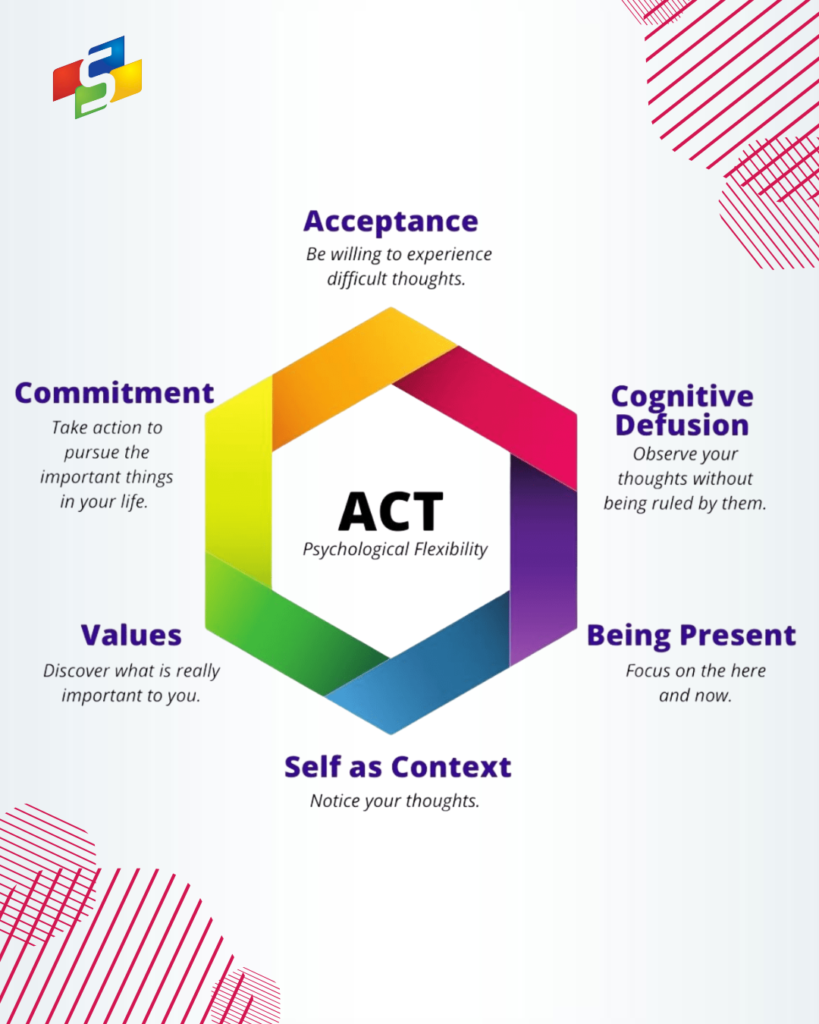
Acceptance and Commitment Therapy (ACT) is a modern, evidence-based psychotherapy that helps individuals accept their inner experiences—thoughts, feelings, and bodily sensations—without fighting them, while committing to actions that align with their personal values. ACT differs from traditional therapies by emphasizing that the goal is not to eliminate distressing feelings but to develop psychological flexibility so that one can live a richer and more meaningful life despite challenges.
Understanding ACT: Core Processes and Principles
ACT is built on six interrelated processes:
Acceptance: Learning to embrace thoughts and emotions rather than avoiding or suppressing them.
Cognitive Defusion: Changing the way one interacts with thoughts—seeing them as transient mental events rather than absolute truths.
Being Present: Cultivating mindfulness by fully engaging with the here and now.
Self-as-Context: Developing a perspective that sees the self as more than just a collection of experiences.
Values Clarification: Identifying what truly matters to the individual.
Committed Action: Taking practical steps that are in line with one’s values, even in the presence of discomfort.
By integrating these components, ACT helps people overcome self-defeating behaviors and unhelpful thought patterns, enabling them to build a life consistent with their values.
Real-Life Examples
Consider the story of Arjun, a software engineer in Mumbai. Arjun was overwhelmed by his demanding job that required long hours at the office and exhaustive commutes through heavy traffic. His life had become a relentless cycle of stress and burnout, leaving little time for family or self-care. In his sessions with an ACT-trained therapist, Arjun learned to acknowledge his feelings of exhaustion and frustration rather than suppress them. Through mindfulness exercises and cognitive defusion techniques, he began to observe his negative thoughts as fleeting mental events. Instead of being paralyzed by these thoughts, Arjun focused on his core values—such as family time and personal wellbeing. Gradually, he started setting boundaries at work, dedicating specific hours to quality time with his family, and incorporating daily mindfulness practices. This shift allowed him to reconnect with his loved ones and reclaim a sense of balance in his life.
Another example is Priya, a young professional in the competitive field of advertising. Priya struggled with intense self-doubt and anxiety fuelled by a harsh inner critic that constantly questioned her competence. With the help of ACT, she learned that her negative thoughts did not define her worth. By accepting these thoughts and engaging in values-based actions—such as fostering creativity and honest communication—Priya was able to diminish the power of her inner critic. She started to see her work as an opportunity to express her true self rather than as a battleground for self-judgment. Over time, this shift not only improved her professional performance but also enhanced her overall mental health and satisfaction with life.
How Professional Doctors Can Help…
Professional doctors, psychologists, and mental health therapists play a critical role in helping individuals implement ACT. Here are several ways they can guide you through the ACT process:
Creating a Safe Space: Therapists establish a non-judgmental environment that encourages you to express your inner thoughts and feelings. This is essential for the acceptance process.
Introducing Mindfulness Techniques: Through guided mindfulness exercises, professionals help you become more aware of your present experience. This practice is central to reducing the impact of stress and negative thought patterns.
Teaching Cognitive Defusion: Doctors use metaphors and experiential exercises to help you observe your thoughts without becoming entangled in them. For instance, a therapist might compare distressing thoughts to leaves floating on a stream—visible but not overwhelming.
Values Exploration: A professional will work with you to clarify what is most important in your life. This process often involves detailed discussions and reflective exercises to pinpoint your core values.
Setting Realistic Goals: Once values are clarified, the therapist assists in setting small, attainable goals that are aligned with these values. These steps lead to committed action that gradually reshapes your daily routines.
Ongoing Support and Accountability: Regular sessions ensure that you receive continuous feedback and support, helping you maintain progress even when facing setbacks.
Through these strategies, professionals not only guide you in learning ACT techniques but also tailor the approach to your unique life circumstances, making it easier to break free from the cycle of stress and negative coping mechanisms.
How Sanaroo Healthcare Can Help…
In countries like India to Singapore, many professionals endure extremely long work hours and high levels of stress, which have significant mental health implications. Sanaroo Healthcare is uniquely positioned to support this population by integrating ACT principles into their mental health services. Here’s how they can help:
Specialized Mental Health Programs: Sanaroo Healthcare can develop programs specifically targeting work-related stress. These programs would incorporate ACT techniques, group therapy sessions, and individual counselling tailored to the demands of a high-pressure work environment.
Workplace Wellness Initiatives: By partnering with companies, Sanaroo Healthcare can introduce on-site or virtual wellness sessions where employees learn to apply ACT in their daily lives. These sessions may include mindfulness training, stress management workshops, and exercises in values clarification.
Digital Tools and Mobile Apps: Utilizing technology, Sanaroo Healthcare can offer digital resources that provide guided ACT exercises, mindfulness meditations, and daily reminders to help employees stay present and grounded. Data from these tools can be visualized through graphs showing improvements in stress levels, sleep quality, and overall wellbeing over time.
Training for Healthcare Providers: Sanaroo Healthcare can offer workshops and certification programs to train local doctors and mental health professionals in ACT. This ensures that a wider network of practitioners is equipped to deliver ACT-based interventions, amplifying the therapy’s reach.
Community Engagement and Support Groups: Establishing support groups where individuals can share experiences and strategies for managing work stress can create a sense of community. This communal approach reinforces the idea that one is not alone in facing such challenges.
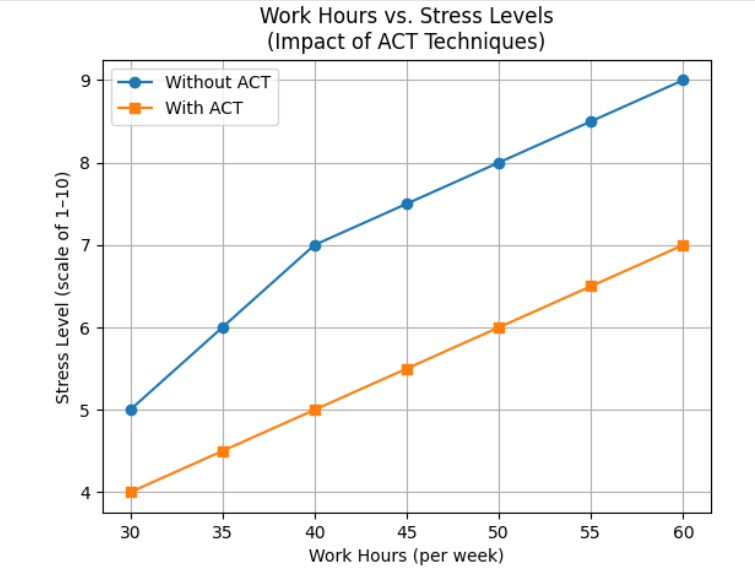
To facilitate understanding and monitor progress, the following visual tools are beneficial to learn:
Graph 1: Work Hours vs. Stress Levels A line graph can plot the number of work hours against reported stress levels. Overlaid on this graph, data points showing improvements after incorporating ACT techniques can help illustrate the therapy’s impact.
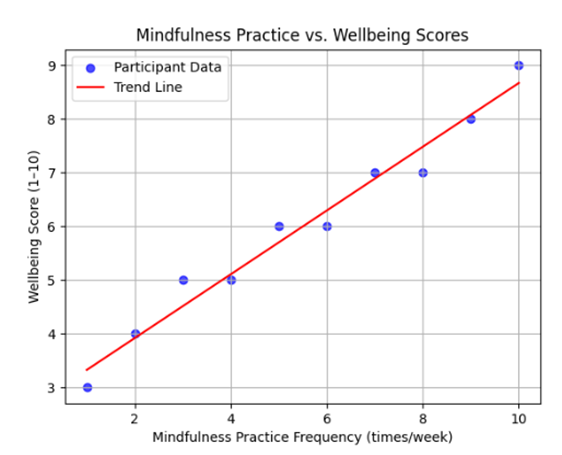
Graph 2: Mindfulness Practice and Wellbeing Scores A scatter plot can depict how regular mindfulness practice correlates with improved mental wellbeing scores over time.
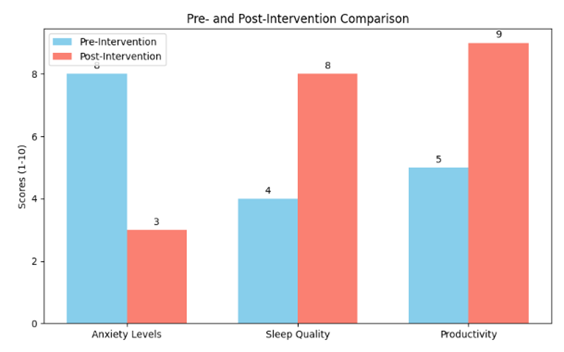
Table 1: Pre- and Post-Intervention Comparison This table could list key metrics such as anxiety levels, sleep quality, and productivity before and after ACT-based interventions, clearly demonstrating positive changes.
Metric
Pre-Intervention
Post-Intervention
Anxiety Levels
High (8/10)
Low (3/10)
Sleep Quality
Poor (4/10)
Improved (8/10)
Productivity
Low (5/10)
High (9/10)
Flowchart: ACT Process Overview A flowchart can visually map out the six core processes of ACT (Acceptance, Cognitive Defusion, Being Present, Self-as-Context, Values Clarification, and Committed Action), making it easier to understand how each step contributes to overall mental health improvements.
Flowchart:
ACT Process
Description
Outcome
Acceptance
Embracing thoughts and feelings without judgment.
Reduces avoidance and opens space for change.
Cognitive Defusion
Observing thoughts as temporary events rather than literal truths.
Decreases attachment to negative thoughts.
Being Present
Maintaining awareness of the current moment.
Enhances focus and engagement in life.
Self-as-Context
Recognizing a consistent sense of self that is distinct from thoughts and feelings.
Provides perspective and flexibility.
Values Clarification
Identifying core personal values that truly matter.
Establishes a clear direction in life.
Committed Action
Taking purposeful, value-driven steps.
Leads to behavior aligned with personal values.
Overall Outcome
Integration of these processes results in improved mental health and overall well-being.
Enhanced quality of life.
Final Thoughts
Acceptance and Commitment Therapy offers a robust framework for addressing the intense pressures of modern work life, especially for those battling long hours, chronic stress, and unhealthy coping mechanisms. By embracing the acceptance of difficult emotions and engaging in behaviours that are in line with personal values, individuals like Arjun and Priya have found ways to regain control over their lives and foster resilience in the face of adversity.
Professional doctors and mental health therapists are invaluable in guiding this transformative process. They provide the necessary support, teach mindfulness and cognitive defusion techniques, and assist in setting achievable, value-based goals. Their expertise ensures that ACT is adapted to fit the unique needs of each individual, ultimately paving the way for a balanced and fulfilling life.
Sanaroo Healthcare, by integrating ACT principles into its services, stands to make a significant difference for Indian professionals who are grappling with the dual challenges of work overload and mental health issues. Through specialized programs, workplace initiatives, digital tools, professional training, and community support, Sanaroo Healthcare can help mitigate the negative effects of long work hours and promote a healthier, more sustainable work-life balance.
By leveraging visual aids such as graphs and tables, both professionals and patients can clearly see the measurable benefits of ACT, making it an even more compelling approach to managing stress and enhancing overall quality of life. With the proper guidance and support, ACT can empower individuals to break free from destructive cycles and build a life that truly reflects their values and aspirations.
As our parents age, the dynamics of family life evolve, often requiring adult children to assume caregiving roles. This transition, while rooted in love and responsibility, presents a myriad of challenges. Recent research, complemented by real-life narratives, offers valuable insights into effectively supporting aging parents.
The Changing Landscape of Elder Care
Globalization and shifting family structures have significantly impacted perceptions of filial responsibility. A study by Compernolle (2015) highlights how education and exposure to diverse cultures can influence caregiving attitudes, sometimes shifting the responsibility from family members to formal caregiving systems. However, maintaining strong family bonds remains essential for emotional and psychological support.
Real-Life Example:In West Yorkshire, organizations like Age UK are pivotal in supporting the elderly. Brenda Wardle, a program manager, emphasizes the overwhelming need for assistance, stating that even with double the staff, they could only “scratch the surface.” Their mission is to reduce loneliness and isolation among the elderly, emphasizing the importance of community support in elder care. (The Guardian)
The Challenges of Family Caregiving
Family caregivers often experience significant stress, leading to physical and emotional exhaustion. Schulz and Eden (2016) emphasize the need for formal support systems, including caregiver training, respite care, and policy reforms that acknowledge the challenges of informal caregiving. Caregivers require access to resources that can help them balance their well-being with their caregiving responsibilities.
Real-Life Example:The “sandwich generation,” individuals caring for both their children and aging parents, often grapple with guilt, worry, and resentment. One caregiver expressed frustration over siblings not sharing the caregiving burden, highlighting the emotional toll and the need for equitable distribution of responsibilities. (The Guardian)
The Psychological Impact on Caregivers and Aging Parents
The quality of relationships between adult children and their aging parents significantly influences perceptions of aging. Jung and Jopp (2018) found that positive interactions can lead to more optimistic attitudes about aging and improved mental health for both caregivers and parents. Conversely, strained relationships can contribute to stress and negative emotions both for caregivers as well as parents ,emphasizing the importance of maintaining open communication and fostering strong family connections.
Young Caregivers: A Growing Demographic
The rise of young caregivers presents unique challenges. Subramaniam and Mehta (2024) investigated the experiences of young caregivers in Singapore, revealing the trials they face in balancing education, work, and personal lives while tending to aging family members. Providing adequate support—such as counseling services, educational resources, and financial assistance—can help mitigate these challenges.
Real-Life Example: Andrew Rahal, a millennial caregiver, has been the full-time caregiver for his grandmother, Elo, who has vascular dementia and Alzheimer’s, for nearly a decade. Despite the emotional and financial strains, Andrew remains dedicated to providing high-quality care, often taking Elo on outings to maintain her social engagement and well-being. (The Guardian)
Practical Strategies for Supporting Aging Parents
Encourage Open Communication: Regular conversations about health, finances, and future care plans can reduce uncertainty and ensure that parents’ preferences are respected. Example: A reader expressed frustration over their 80-year-old father’s reluctance to move into a retirement village, highlighting the challenges of initiating conversations about future care. (The Guardian)
Utilize Support Networks: Professional caregivers, community resources, and support groups can provide valuable assistance and alleviate caregiver burden. Example: In West Yorkshire, Age UK’s “Time for Tea” events offer the elderly opportunities to socialize, reducing feelings of isolation and providing caregivers with respite. (The Guardian)
Prioritize Self-Care: Caregivers should focus on their well-being to prevent burnout and sustain their ability to provide quality care. Example: A caregiver expressed feelings of guilt and helplessness while balancing responsibilities toward his aging parents and his young family, highlighting the importance of self-care. (The Guardian)
Embrace Technology: Telemedicine, medication reminders, and other digital tools can enhance caregiving efficiency and improve elderly parents’ independence. Example: A reader sought advice on supporting their parents from a distance, suggesting that technology could help bridge the gap and provide necessary support. (The Guardian)
Plan Ahead: Legal and financial planning, including wills, power of attorney, and long-term care options, can ease transitions and prevent future stress. Example: A reader expressed frustration over their father’s unrealistic expectations about aging, emphasizing the need for proactive discussions and planning for future care needs. (The Guardian)
In Short:
Caring for aging parents is a multifaceted responsibility that requires emotional resilience, careful planning, and community support. Research underscores the importance of balancing traditional family values with modern caregiving solutions. By adopting a proactive and informed approach, families can ensure a dignified and fulfilling life for their aging loved ones while maintaining their own well-being.
Sources Cited
Compernolle, E. (2015). Changing attitudes toward care of aging parents. International Journal of Sociology.
Schulz, R., & Eden, J. (2016). Families caring for an aging America. National Academies Press.
Jung, S., & Jopp, D. S. (2018). Adult children’s relationships with aging parents. International Journal of Aging and Human Development.
Subramaniam, A., & Mehta, K. K. (2024). Young caregivers and elder care. International Journal of Environmental Research and Public Health.
Various articles from The Guardian providing real-life caregiving experiences and insights.
Summary:
Navigating the challenges of caring for aging parents can feel overwhelming, as roles often reverse and long-established dynamics shift. Many caregivers find themselves grappling with mixed emotions—ranging from guilt and sadness to frustration and even depression. Sometimes, expressions like “my elderly mother is consuming my life” capture the deep sense of loss for personal freedom and the constant emotional drain that can occur. This sentiment is echoed in discussions about being “depressed about aging parents,” highlighting the importance of addressing caregiver mental health.
Effective communication is key. For example, there are “8 things not to say to your aging parents” that can unintentionally hurt or alienate them. Avoiding judgmental or dismissive remarks helps maintain respect and dignity. Equally important is being vigilant about the signs indicating that your parent may need extra support. Lists such as “10 signs your elderly parent needs help” offer valuable guidance—ranging from noticeable changes in behavior to physical health warnings—that prompt timely intervention. In every faimily uses case can be differ: below is the just some examples:
4 things not to say to your aging parents:
“You’re too old to understand.” This phrase can feel dismissive of their life experiences and knowledge. It undermines their wisdom and may make them feel irrelevant or belittled.
“You’re a burden on me.” While you might be feeling overwhelmed, saying this can deeply hurt them. It can lead to feelings of guilt and worthlessness, damaging the emotional bond you share.
“I don’t have time for your complaints.” This statement minimizes their feelings and concerns. Even if you’re busy, it’s important to validate their emotions rather than making them feel like an inconvenience.
“You never do anything right.” Generalizations like this are harsh and can erode their self-confidence. It’s more constructive to discuss specific issues and focus on solutions rather than assigning blame.
5 signs your elderly parent needs help:
Noticeable Changes in Mood or Behavior Look for increased irritability, depression, or anxiety, which can indicate they’re struggling emotionally or facing health challenges.
Difficulty with Daily Activities Struggling with routine tasks like cooking, cleaning, or managing bills can signal that they might benefit from additional support or home assistance.
Cognitive or Memory Decline Frequent forgetfulness, confusion, or difficulty following conversations may be early signs of cognitive challenges that need addressing.
Neglecting Personal Hygiene or Self-Care A decline in regular self-care practices—such as bathing, grooming, or dressing appropriately—can indicate they’re having trouble managing day-to-day responsibilities.
Social Withdrawal or Isolation Reduced participation in social activities, a drop in interactions with friends and family, or a general sense of isolation can be a red flag for underlying issues like depression or mobility problems.
Moreover, dealing with difficult personality traits can add complexity. Strategies for “dealing with negative elderly parents” and “how to deal with selfish elderly parents” emphasize setting healthy boundaries while still providing compassionate care. A well-organized “caring for aging parents checklist” can serve as a practical roadmap, covering everything from managing medications and appointments to ensuring proper nutrition and emotional support.
Ultimately, knowing “how to help aging parents” means balancing your own needs with theirs. Self-care, seeking support from professionals or peer groups, and planning meticulously are essential to maintaining both your well-being and that of your loved ones. Embracing empathy, clear communication, and structured routines can transform these challenges into an opportunity for mutual growth and understanding.
Thanks for Reading!
Introduction
Mental health care has traditionally been dominated by conventional approaches such as psychotherapy and pharmacological treatments. However, a growing number of individuals are turning to alternative therapies to complement traditional methods. These therapies emphasize a holistic approach, integrating the mind, body, and emotional well-being to support psychological health. Alternative therapies in psychology include techniques like somatic therapy, dance movement therapy, music therapy, art therapy, mindfulness-based therapy, hypnotherapy, animal-assisted therapy, sound therapy, and ecotherapy. This article explores these therapies, their benefits, and their potential applications in psychological treatment.
Somatic Therapy: Healing Through the Body
Somatic therapy is a body-focused approach that recognizes the connection between physical sensations and emotional well-being. It is particularly effective for individuals dealing with trauma, anxiety, and stress disorders. Somatic therapy techniques include breathwork, progressive muscle relaxation, and trauma release exercises (TRE), all of which help patients regulate their nervous systems and release pent-up emotional distress (Payne et al., 2015). Studies suggest that incorporating body awareness into psychotherapy can significantly reduce symptoms of post-traumatic stress disorder (PTSD) and anxiety (Van der Kolk, 2014).
Dance Movement Therapy: Expressing Through Motion
Dance Movement Therapy (DMT) is a non-verbal psychotherapeutic approach that utilizes movement to promote emotional, cognitive, and physical integration. By engaging in rhythmic movement, individuals can express emotions that may be difficult to verbalize (Levy, 2005). DMT is particularly effective for individuals dealing with trauma, autism spectrum disorders, and social anxiety (Koch et al., 2019). Movement-based interventions help regulate emotions and reduce stress, making them a valuable addition to traditional talk therapy.
Music Therapy: Healing Through Sound and Rhythm
Music therapy involves using rhythm, melody, and sound to enhance emotional and psychological well-being. It can be applied in both active (creating music) and passive (listening) forms. Studies have shown that music therapy can improve mood, reduce anxiety, and support cognitive function in individuals with depression and neurodevelopmental disorders (Gold et al., 2019). Techniques such as guided music listening, songwriting, and playing instruments allow individuals to express emotions and develop coping strategies. Music therapy has also been found beneficial in treating conditions such as Alzheimer’s disease and PTSD (Bradt & Dileo, 2014).
Mindfulness-based therapy focuses on enhancing present-moment awareness to reduce stress, anxiety, and depressive symptoms. It involves techniques such as meditation, deep breathing exercises, and mindful movement (Kabat-Zinn, 1990). Mindfulness-based stress reduction (MBSR) and mindfulness-based cognitive therapy (MBCT) have been extensively studied and found to be effective in reducing symptoms of depression and anxiety (Hofmann et al., 2010). By fostering self-awareness and emotional regulation, mindfulness therapy offers individuals tools to navigate psychological distress more effectively.
Art Therapy: Creative Expression for Emotional Healing
Art therapy is a therapeutic technique that allows individuals to explore and express their emotions through creative activities such as painting, drawing, and sculpting. It is particularly beneficial for individuals who struggle with verbal expression, such as those with trauma, autism spectrum disorder, or childhood abuse histories (Malchiodi, 2012). Research has demonstrated that engaging in artistic activities can enhance emotional processing and improve mental well-being (Stuckey & Nobel, 2010). Art therapy is widely used in clinical settings to support individuals in processing grief, trauma, and anxiety.
Hypnotherapy: Accessing the Subconscious Mind
Hypnotherapy is a technique that guides individuals into a trance-like state to access the subconscious mind and reframe negative thought patterns. It has been successfully used to treat phobias, anxiety disorders, and post-traumatic stress disorder (Lynn et al., 2010). Hypnosis-induced relaxation allows individuals to reprogram maladaptive behaviors and thoughts, making it a valuable tool for habit changes such as smoking cessation and weight management (Green et al., 2013).
Animal-Assisted Therapy: Healing with Animals
Animal-assisted therapy (AAT) involves interactions with trained animals to improve emotional and psychological well-being. The presence of therapy animals, such as dogs, cats, or horses, has been shown to reduce anxiety, depression, and loneliness (Beetz et al., 2012). Equine-assisted therapy, in particular, has been found to be effective in treating PTSD and social anxiety (Kemp et al., 2014). The non-judgmental companionship of animals provides individuals with comfort and emotional support, making this therapy an effective adjunct to traditional psychological interventions.
Sound Therapy: Healing Through Vibrations
Sound therapy utilizes sound frequencies to promote relaxation and emotional balance. Techniques such as Tibetan singing bowls, tuning forks, and binaural beats are used to regulate brainwave activity and reduce stress (Goldsby et al., 2017). Sound therapy is often integrated into mindfulness and meditation practices to deepen relaxation and improve overall mental well-being. Research suggests that exposure to harmonic sounds can enhance cognitive function and emotional stability (Leeds, 2010).
Ecotherapy: The Psychological Benefits of Nature
Ecotherapy, also known as nature therapy, involves engaging with the natural environment to promote psychological well-being. Activities such as forest bathing, gardening, and outdoor mindfulness practices have been shown to reduce symptoms of depression and anxiety (Bratman et al., 2015). The biophilia hypothesis suggests that humans have an innate connection to nature, and exposure to natural environments can enhance mental health (Wilson, 1984). Ecotherapy has been increasingly recognized as a valuable intervention for stress reduction and emotional resilience.
Conclusion
Alternative therapies in psychology provide individuals with diverse and holistic approaches to mental health care. While traditional psychotherapy remains essential, incorporating mind-body techniques such as somatic therapy, dance movement therapy, music therapy, and mindfulness-based interventions can enhance emotional healing. Research supports the effectiveness of these therapies in treating anxiety, depression, trauma, and stress-related disorders. As mental health awareness continues to grow, integrating alternative therapies into psychological treatment plans may offer individuals a more comprehensive and personalized path to well-being.
References
Beetz, A., Uvnäs-Moberg, K., Julius, H., & Kotrschal, K. (2012). Psychosocial and psychophysiological effects of human-animal interactions: The possible role of oxytocin. Frontiers in Psychology, 3, 234. https://doi.org/10.3389/fpsyg.2012.00234
Bradt, J., & Dileo, C. (2014). Music interventions for mechanically ventilated patients. Cochrane Database of Systematic Reviews, 12, CD006902. https://doi.org/10.1002/14651858.CD006902.pub3
Bratman, G. N., Hamilton, J. P., & Daily, G. C. (2015). The impacts of nature experience on human cognitive function and mental health. Annals of the New York Academy of Sciences, 1344(1), 123–151. https://doi.org/10.1111/nyas.12722
Gold, C., Saarikallio, S., & Crooke, A. H. (2019). Music therapy and mental health: Theoretical and clinical applications. Oxford University Press.
Goldsby, T. L., Goldsby, M. E., McWalters, M., & Mills, P. J. (2017). Effects of singing bowl sound meditation on mood, tension, and well-being. Journal of Evidence-Based Complementary & Alternative Medicine, 22(3), 401-406. https://doi.org/10.1177/2156587216644033
Kabat-Zinn, J. (1990). Full catastrophe living: Using the wisdom of your body and mind to face stress, pain, and illness.Delta.
Van der Kolk, B. (2014). The body keeps the score: Brain, mind, and body in the healing of trauma. Penguin Books.
Obsessive-Compulsive Disorder (OCD) is a mental health condition characterized by obsessions (intrusive, distressing thoughts, images, or urges) and compulsions (repetitive behaviors or mental acts performed to reduce anxiety). These thoughts and behaviors can significantly impact daily life, relationships, and work. Many individuals with OCD spend hours engaging in compulsions, which can interfere with productivity, social interactions, and overall well-being.
Common OCD Themes
OCD manifests in various ways, often centered around common themes such as:
Contamination fears – excessive hand washing, avoiding certain places or objects.
Checking behaviors – repeatedly ensuring doors are locked or appliances are off.
Symmetry and order – arranging objects in a specific way to feel “just right.”
Intrusive thoughts – unwanted, distressing thoughts about harm, morality, or taboo subjects.
Harm OCD – fears of causing harm to oneself or others, leading to excessive avoidance or reassurance-seeking.
Relationship OCD (ROCD) – obsessive doubts about romantic relationships and partners.
Existential OCD – obsessive questioning of reality, life’s purpose, or philosophical dilemmas.
Although many people recognize that their obsessions and compulsions are irrational, they often feel powerless to stop them. For example, a person with checking compulsions may spend excessive time ensuring that the stove is off, leading to chronic lateness and significant stress.
Practical Strategies for Managing OCD
Cognitive Behavioral Therapy (CBT) and ERP
The most effective treatment for OCD is Cognitive Behavioral Therapy (CBT), particularly Exposure and Response Prevention (ERP). ERP gradually exposes individuals to their fears while preventing the associated compulsive response. Over time, this weakens the connection between obsessions and compulsions, helping individuals manage their anxiety more effectively.
For example, someone with contamination OCD may be asked to touch a doorknob and delay washing their hands. Initially, this will create anxiety, but through repeated exposure, their anxiety will decrease, breaking the cycle of obsessive fear and compulsive behavior. A structured ERP plan, guided by a trained therapist, is essential to ensure gradual and effective exposure.
Medication and Additional Treatments
In addition to therapy, Selective Serotonin Reuptake Inhibitors (SSRIs), such as fluoxetine (Prozac) and sertraline (Zoloft), can help regulate serotonin levels and reduce OCD symptoms. However, medication alone is not a cure—it is most effective when combined with therapy. In some cases, alternative medications, such as antipsychotics, may be prescribed if SSRIs alone are not effective.
Other strategies that can help individuals manage their symptoms include:
Mindfulness and relaxation techniques – to ground oneself in the present and manage anxiety.
Structured routines – to prevent compulsions from taking over daily life.
Reducing caffeine and alcohol intake – as these can exacerbate anxiety.
Regular exercise and journaling – to improve mood and track triggers.
Breaking the Myths: What People Get Wrong About OCD
Myth 1: OCD Is Just About Cleanliness or Perfectionism
A common misconception is that OCD revolves solely around cleanliness or order. While some individuals do experience contamination fears, many struggle with intrusive thoughts, compulsive checking, and mental rituals unrelated to hygiene.
Myth 2: OCD Is the Same as General Anxiety or Neatness
OCD is often mistaken for general anxiety or a preference for tidiness. However, unlike someone who enjoys an organized space, a person with OCD experiences intense distress and anxiety when their compulsions are not performed. These behaviors are not about preference but about alleviating overwhelming fear.
Myth 3: People with OCD Enjoy Their Rituals
Compulsions are not pleasurable or voluntary; they are driven by anxiety and distress. Many individuals with OCD feel frustrated by their compulsions and wish they could stop, but without proper treatment, breaking the cycle is extremely difficult.
Myth 4: OCD Can Be Cured by “Just Stopping the Behavior”
OCD is not a habit that can be broken by willpower alone. Attempting to resist compulsions without proper techniques often leads to increased anxiety. Professional treatment, such as ERP and medication, is essential for effective management.
The Importance of Early Intervention and Long-Term Management
Early diagnosis and treatment significantly improve outcomes for individuals with OCD. Without intervention, symptoms can become more severe, making it harder to function in daily life. Long-term management strategies, such as ongoing therapy, support groups, and self-care practices, help prevent relapses and allow individuals to lead fulfilling lives.
Success stories of individuals who have learned to manage their OCD demonstrate that recovery is possible. Many regain control through ERP therapy, medication, and lifestyle adjustments, proving that with commitment, support, and professional guidance, OCD does not have to define one’s future.
In Short
OCD is a complex but manageable condition. By understanding its symptoms, challenging misconceptions, and seeking appropriate treatment, individuals with OCD can regain control over their lives. Whether through ERP therapy, medication, or self-help strategies, it is possible to break free from the cycle of obsessions and compulsions and lead a fulfilling life.
If you or someone you know is struggling with OCD, seeking professional help is the first step toward recovery. Consider reaching out to a licensed therapist trained in ERP, joining a support group, or exploring resources from organizations like the International OCD Foundation (IOCDF). Awareness, education, and proper treatment can make a significant difference.
Let us start a session
We Provide Quality Mental Health Care You Can Count On