Do Happier People Naturally Have Higher EQ? A Psychological Deep Dive
In our journey toward better well-being, two powerful ideas often surface: happiness and emotional intelligence (EQ). At a glance, they seem distinct—happiness is about how good we feel, and EQ is about how well we manage emotions. But could they be more connected than we think? Does being happier help us become more emotionally intelligent, […]
In our journey toward better well-being, two powerful ideas often surface: happiness and emotional intelligence (EQ). At a glance, they seem distinct—happiness is about how good we feel, and EQ is about how well we manage emotions. But could they be more connected than we think? Does being happier help us become more emotionally intelligent, or is it the other way around? Let’s break this down.
What Do We Mean by Happiness and EQ?
Happiness (or subjective well-being) includes:
Life satisfaction (how content we feel about life overall)
Positive emotions (how often we feel joy, peace, or excitement)
Emotional Intelligence (EQ) is the ability to:
Understand and manage your own emotions
Recognize and respond to the emotions of others
Core skills in EQ include self-awareness, emotional regulation, empathy, motivation, and social skills.
What Research Says
1. They’re Connected. People who report high EQ usually also report being happier. For instance, those with top EQ scores often show more joy and less sadness or anger than those with lower EQ.
2. They Influence Each Other.
EQ → Happiness: Being emotionally intelligent helps us resolve conflict, manage stress, and maintain healthy relationships—all key to happiness.
Happiness → EQ: When we’re in a good mood, we think more clearly, connect with others more easily, and build emotional skills without even realizing it.
3. One Can Boost the Other. Studies show that EQ training can make people happier. Likewise, happiness-boosting activities (like practicing gratitude) can help grow EQ skills. It’s a two-way street.
How It Works
Brain Chemistry: Positive emotions trigger feel-good chemicals (like dopamine), which help the brain learn and form emotional habits. Practicing EQ skills also strengthens brain areas involved in emotion control.
Social Support: High-EQ people tend to have better relationships, which makes them happier. Happy people also give off warmth and positivity, which draws others in and improves emotional connections.
Small Habits Matter: Simple daily habits—like pausing to breathe, appreciating a kind moment, or naming how you feel—can make a big difference. Over time, they create lasting improvements in both happiness and EQ.
Real-Life Applications
Combine Techniques: Blend EQ tools (like naming your emotions) with happiness practices (like gratitude journaling). For example, note one positive feeling and one moment of emotional regulation each day.
Cultural Connection: In India, practices like deep breathing (pranayama) or morning gratitude circles can boost both emotional calm and family bonds. In Singapore, team check-ins and well-being challenges strengthen workplace morale and EQ.
Track Your Growth: Use simple scales to measure how your EQ and happiness change over time. Reflect on how one influences the other.
Final Thoughts
EQ and happiness are not separate paths—they fuel each other. Happier people often build stronger emotional skills, and emotionally intelligent people are more equipped to live joyful lives. By starting small and staying consistent, anyone can develop both.
Quick Q&A
Q: Can being happier improve my EQ? A: Yes! Feeling good makes it easier to connect, empathize, and grow emotionally.
Q: Does high EQ mean I’ll always be happy? A: Not always, but it gives you tools to bounce back and handle challenges well.
Q: How soon can I notice changes? A: With regular practice, you might feel a shift in just a few weeks.
Q: What’s one thing I can do today? A: Each night, note one happy moment and one emotion you managed well. This builds awareness and joy together.
So your mom suddenly asked, “What is this Insta-snap thing?” and your dad keeps watching WhatsApp forwards on full volume at 5 AM. Guess what? They’re not just growing older — they might be craving connection, routine, and a little bit of mental health TLC.
Don’t panic. You don’t need a psychology degree to support their emotional well-being. All you need is this step-by-step, culturally-savvy guide — with a pinch of humour, a dollop of patience, and zero guilt trips.
Step 1: Start the Conversation (Without Causing a Heart Attack)
Sitting down to talk feelings with your parents might feel like announcing you’ve quit your job to become a professional tarot reader. But trust us — it’s worth it.
Say something gentle like: 🗣️ “You’ve been quiet lately, Ma. Are you feeling okay?” Normalize their emotions: 💬 “It’s okay to feel lonely sometimes. Let’s talk about it.”
Keep it casual. Bonus points if there’s chai involved. If they dodge the topic by asking if you’ve eaten, take it as a win. You’ve planted the seed.
Step 2: Invite, Don’t Instruct (You’re Not Their Boss)
Don’t say: “You have to start going out.” Say: “We’d love to take you to the temple park on Sunday — and your grandkids want to race you there.”
It’s about inclusion, not obligation. Remember, elders in India or Singapore often face isolation due to the nuclear-family shift, migration of kids, or just Netflix addiction (yours, not theirs).
Step 3: Don’t Let Them Become Sofa Statues
Yes, your dad loves his recliner. But movement = mood booster. Encourage light activity like:
🧘 Morning yoga for seniors (seated poses count) 🚶♂️ Evening walks with neighbours (aka, “walking gossip sessions”) 📿 Reading religious texts or attending satsangs (mental calm + community)
Keep the vibe: purposeful, not pushy.
Step 4: Add Social Spice
Elderly isolation is no joke — even in joint families. You might be in the next room, but if you’re always on Zoom calls or Netflix, they might as well be in a cave.
Try: 📞 Regular video calls with distant cousins 🍛 Friday lunch with old family friends 🎲 Weekend board games (Ludo diplomacy is underrated)
Don’t underestimate the power of feeling included — it’s cheaper than therapy and tastier than antidepressants.
Step 5: Check the Signals (Without Playing Doctor)
Look out for subtle (or not-so-subtle) signs of distress:
🚨 Withdrawal or apathy 🚨 Sudden loss of appetite (yes, even their love for pickle) 🚨 Sleep issues, unexplained aches, or mood swings
About 1 in 5 Indian seniors face mental health issues, per NITI Aayog. But stigma keeps them silent. So YOU stay observant — Sherlock with a heart.
Step 6: Cut the Screen Time (Unless It’s Ramayan)
Too much TV, YouTube bhajans, or viral WhatsApp videos can make their minds mushy. Offer alternatives:
📚 Audiobooks of spiritual texts 📸 Teaching them Instagram (“Beta, where is filter that makes me look 40?”) 🎶 Old Bollywood playlists on Spotify
Balance is key. Let them enjoy tech — but not become possessed by it.
Step 7: Bring Back Their Old Hobbies
Remember when Amma used to paint? Or when Appa knew the names of every cricket player since 1960?
Reignite old passions: 🖼️ Craft or painting kits 🎣 Light gardening on the balcony 📖 A diary to jot stories (that you’ll pretend to read)
Purpose equals peace of mind.
Step 8: Get Professional Help (No, It Doesn’t Mean They’re ‘Mad’)
Seeking help is not failure. If symptoms persist, reach out.
In India: Check NGOs like Silver Innings, Nightingales Medical Trust, or elder programs under NIMHANS.
In Singapore: Try Silver Ribbon, Agency for Integrated Care (AIC), or Community Counselling Centres.
💡 Tip: Frame it as “talking to someone about sleep issues” — not “psychiatrist visit.”
Note: At Sanaroo Healthcare, we offer comprehensive mental health counselling for seniors — face-to-face sessions for residents in Singapore and online therapy options for those in India.
Step 9: Respect Their Independence (Even if They Can’t Work the Microwave)
Parents may resist help because they fear losing control. So involve them in decisions:
❌ Don’t say: “I’ve booked your therapist.” ✅ Say: “Would you prefer a male or female counselor?”
Ask their opinion. Give choices. Treat them as partners, not patients.
Step 10: Take Care of Your Mental Health Too
News flash: You can’t pour from an empty kettle. Caregiver burnout is real. So:
☕ Take your own breaks 🧘 Meditate, or just breathe deeply after explaining Wi-Fi for the 400th time 👯 Talk to siblings or a support group
Elders can feel your stress. Be kind to yourself — it makes you a better helper.
Bottom Line (For the Busy Bees)
Supporting an elderly parent’s mental health isn’t about grand gestures or weekly therapy bills. It’s about small, consistent efforts that say:
“You still matter. You still belong. We’re in this together.”
Just keep showing up — with empathy, humor, and the occasional rasgulla.
Has a tip that worked with your parents? Or a funny moment from trying to explain Zoom to your dad? Share it below! 👇
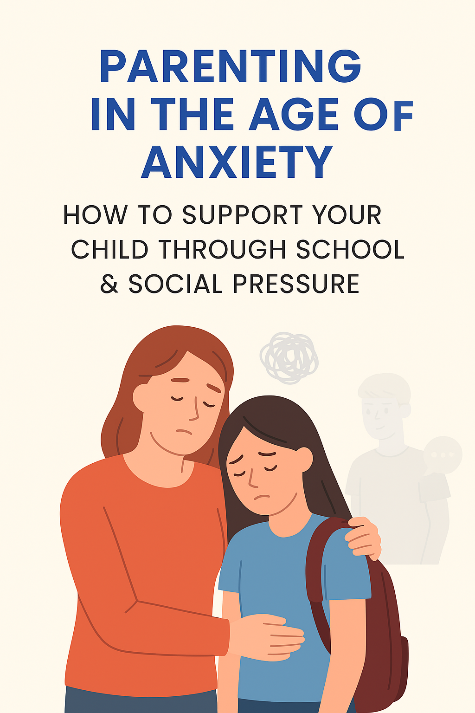
In today’s, the challenges our children face extend far beyond traditional academic pressures. With technology at our fingertips, social media influencing self-worth, and the relentless pace of modern life, our kids are increasingly exposed to sources of anxiety and stress. As a psychological expert, I have observed that effective parenting in this era means not only addressing academic needs but also fostering emotional resilience and psychological well-being. This comprehensive guide offers insights and actionable strategies to help parents support their children as they navigate the complexities of school and social pressures.
Understanding Modern Childhood Stress
Modern children and adolescents are growing up in a world where the expectation for academic excellence is intertwined with the constant connectivity of digital life. The pressures of competitive school environments, coupled with the omnipresent influence of social media, can lead to a heightened state of anxiety. Research indicates that chronic stress in children can impair cognitive function, hinder emotional regulation, and even affect physical health. These findings underscore the urgent need for parents to become proactive in mitigating these stressors.
The Impact of School Pressure
For many students, academic success is not just a personal goal—it’s a prerequisite for future opportunities. The burden of high expectations, standardized testing, and college admissions can create a constant sense of pressure. Children often internalize these pressures, leading to anxiety that manifests as perfectionism, fear of failure, and self-doubt.
The Social Media Dilemma
Social media platforms offer a double-edged sword. While they provide avenues for creativity and connection, they also expose children to relentless comparison, cyberbullying, and unrealistic portrayals of success. The curated nature of online lives can distort self-perception and amplify feelings of inadequacy. In this digital era, parents must help their children develop a balanced perspective on online interactions and maintain a healthy self-image.
The Role of Parents in Navigating Anxiety
Parents are the cornerstone of emotional support. Your role as a caregiver extends into the realm of mental health, where modeling calm, resilience, and empathy can profoundly influence your child’s response to stress. Here are several strategies that can empower both you and your child to navigate the turbulent waters of modern anxiety.
1. Foster Open Communication
Creating a safe space for dialogue is crucial. Encourage your children to share their fears, concerns, and experiences without the fear of judgment or immediate correction. When children feel heard and validated, they are more likely to express their anxieties and work through them collaboratively with you.
Effective Strategy: Establish regular “talk time” during the day or week where you can discuss emotions, challenges, and successes. Listen actively and empathize with their feelings rather than dismissing or minimizing their experiences.
2. Model Healthy Stress Management
Children learn by observing. Your behavior sets a powerful example of how to handle stress. By openly discussing your own stress management techniques—such as mindfulness, exercise, or creative outlets—you provide a practical roadmap for your child to emulate.
Effective Strategy: Share your daily routine that includes moments of relaxation, meditation, or even simple breathing exercises. Explain how these practices help you stay grounded during stressful times, and consider engaging in them together as a family.
3. Encourage a Balanced Lifestyle
A well-rounded life is the antidote to anxiety. While academics and digital engagement are important, so too are physical activities, creative pursuits, and downtime. Encourage your child to pursue hobbies, spend time outdoors, and maintain a balanced schedule.
Effective Strategy: Develop a family schedule that includes designated times for study, play, and relaxation. Ensure that there is ample time away from screens and that physical activities are a regular part of the daily routine.
4. Set Realistic Expectations
The pressure to achieve perfection can be debilitating. Help your child understand that it’s okay to make mistakes and that failure is an essential part of growth. By setting realistic expectations, you help alleviate the internalized pressure to be flawless.
Effective Strategy: Celebrate effort over outcomes. Focus on progress and learning rather than just grades or accolades. Remind your child that every experience, whether successful or not, is a stepping stone toward personal growth.
Specific Techniques for Building Resilience
Resilience is not an innate trait—it is cultivated over time through experience, guidance, and support. Below are several practical techniques that can help build emotional resilience in your child:
Mindfulness and Meditation
Mindfulness is a powerful tool for managing anxiety. It encourages present-moment awareness and helps children detach from overwhelming thoughts and feelings. Teaching mindfulness can help reduce anxiety by promoting a calm, focused state of mind.
Effective Strategy: Introduce short, guided meditation sessions into your child’s routine. There are many apps and online resources specifically designed for children that offer simple mindfulness exercises.
Cognitive Behavioral Strategies
Cognitive Behavioral Therapy (CBT) techniques can help your child identify and challenge negative thought patterns. By reframing these thoughts, your child can develop a more balanced perspective on stressful situations.
Effective Strategy: Encourage your child to keep a journal where they note down negative thoughts and then write alternative, more positive perspectives. This practice helps in recognizing cognitive distortions and replacing them with constructive insights.
Emotional Regulation Skills
Helping your child understand and manage their emotions is key to reducing anxiety. Techniques such as deep breathing, visualization, and even physical exercise can be effective in regulating emotional responses.
Effective Strategy: Teach your child simple deep-breathing exercises. For instance, the “4-7-8” technique—inhaling for 4 seconds, holding for 7 seconds, and exhaling for 8 seconds—can be a practical tool during moments of stress.
Social and Emotional Learning (SEL)
Incorporating social and emotional learning into daily life can significantly enhance a child’s ability to manage stress. SEL programs in schools have shown great success in improving emotional intelligence and reducing anxiety.
Effective Strategy: Engage in family activities that promote empathy, collaboration, and problem-solving. Discuss scenarios from daily life where emotional intelligence played a key role in resolving conflicts or overcoming challenges.
How Parents Can Take Action: Practical Steps
As a parent, there are several proactive measures you can adopt to support your child in the age of anxiety:
Create a Stress-Relief Environment at Home: Dedicate a space in your home where your child can unwind—a quiet corner with calming decor, soft lighting, and a selection of stress-relief tools such as books, puzzles, or art supplies.
Monitor and Moderate Digital Exposure: While technology is an integral part of modern life, it is essential to set boundaries. Limit screen time and encourage offline activities that promote creativity and physical activity.
Collaborate with Educators: Work closely with your child’s teachers to ensure they are aware of the pressures your child faces. Advocate for mental health programs and stress management workshops in schools, and stay informed about the school’s policies on academic pressure and mental health.
Seek Professional Support When Needed: If you notice persistent signs of anxiety that interfere with your child’s daily functioning, don’t hesitate to consult a mental health professional. Early intervention can prevent minor issues from escalating into more serious conditions.
Engage in Community and School Programs: Look for opportunities to participate in workshops, seminars, and support groups that focus on stress management for children and adolescents. These programs not only offer practical tools but also create a network of support among parents facing similar challenges.
Educate Yourself Continuously: Stay informed about the latest research on childhood stress and anxiety. Understanding the underlying causes and effective strategies can empower you to better support your child.
In Short
Parenting in the age of anxiety requires vigilance, empathy, and proactive engagement. In 2025, the pressures of academic expectations, social media, and evolving societal norms have made stress a pervasive part of a child’s life. However, by embracing effective stress management strategies, parents can create an environment where their children not only survive but thrive.
From fostering open communication and modeling healthy stress management behaviors to incorporating mindfulness, cognitive behavioral techniques, and balanced lifestyles, every step you take can significantly enhance your child’s resilience. In doing so, you help them build the emotional toolkit necessary for navigating life’s challenges—preparing them not just for academic success but for a fulfilling, balanced future.
Remember, the journey to a stress-resilient generation begins at home. Your active involvement, informed guidance, and compassionate support can transform the way your child experiences and responds to stress. Embrace the challenge, and empower your child with the knowledge and tools to overcome anxiety, leading them to a healthier, happier, and more productive life.
FAQs
Q1. At what age should children start learning stress management techniques? Research suggests that even young children can benefit from simplified stress management practices. Starting around ages 6-7, children can learn basic mindfulness and deep-breathing exercises that grow with them.
Q2. How can parents effectively limit digital stressors without restricting academic use of technology? It’s all about balance. Set clear rules for recreational screen time while allowing digital tools for educational purposes. Encourage offline activities and lead by example with your own digital habits.
Q3. What signs indicate that my child might need professional help for stress or anxiety? Persistent changes in behavior, sleep disturbances, withdrawal from social activities, and a noticeable decline in academic performance are red flags. If these signs persist, consult a mental health professional.
Q4. Can stress management skills really improve academic performance? Yes, by reducing anxiety and improving concentration, stress management skills can help children perform better academically while also enhancing their overall well-being.
By implementing these strategies and nurturing an open, supportive home environment, you are taking a critical step toward empowering your child to face today’s challenges with confidence and resilience.
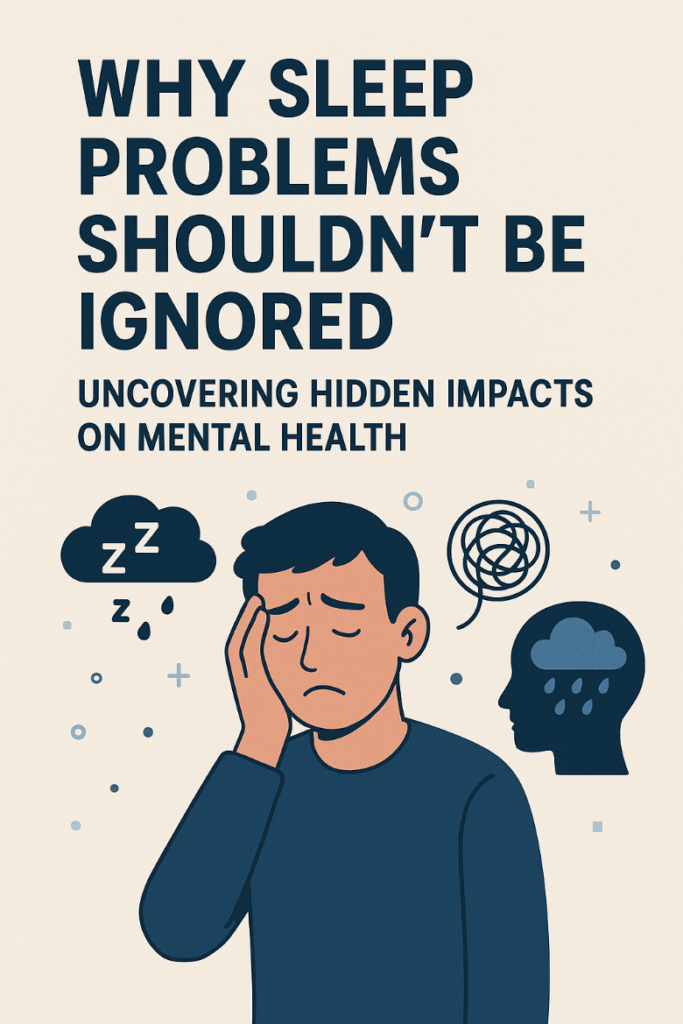
Sleep is essential for our overall health, yet many people struggle with sleep problems. As a mental health expert working with government agencies, I want to emphasize that sleep disturbances are not just a minor inconvenience—they can have a serious impact on our mood, cognition, and overall well-being. In this article, we will explore how poor sleep affects our mental health, what hidden impacts it may have, and what can be done to address these issues.
The Importance of a Good Night’s Sleep
Sleep is a vital process that helps our bodies repair and rejuvenate. It is during sleep that our brain processes information, forms memories, and resets our emotional state. When we get enough rest, our mood stabilizes, our concentration improves, and we are better equipped to handle daily challenges. However, when sleep problems occur, the consequences can reach far beyond mere tiredness.
Sleep and Its Role in Mental Health
Sleep problems such as insomnia, sleep apnea, and restless sleep can lead to:
Mood Changes: Lack of sleep is closely linked to irritability, anxiety, and depression.
Cognitive Impairments: Poor sleep can affect attention, memory, and decision-making skills.
Physical Health Issues: Chronic sleep disturbances are associated with higher risks of cardiovascular diseases, obesity, and weakened immune systems.
Government studies and research have consistently shown that untreated sleep problems can lead to a decline in mental health. Recognizing and addressing these issues early can prevent more serious conditions from developing.
How Sleep Disturbances Affect Mood
Mood is one of the first areas impacted by sleep disturbances. When you do not sleep well, you may notice that you feel more irritable, anxious, or even sad. Here are some key points on how sleep problems affect mood:
Increased Irritability and Stress
When you are sleep-deprived, the brain struggles to regulate emotions effectively. This leads to heightened stress responses and makes you more susceptible to everyday irritations. Research indicates that sleep-deprived individuals may experience up to a 60% increase in irritability compared to those who sleep well.
Risk of Depression and Anxiety
Long-term sleep problems are linked to the development of mood disorders such as depression and anxiety. The brain’s ability to manage stress hormones is compromised when it does not get sufficient rest. Over time, this imbalance can lead to significant mood disorders. In fact, studies suggest that people with chronic insomnia are twice as likely to experience depression.
Emotional Regulation
Adequate sleep is crucial for emotional regulation. When sleep is disrupted, the amygdala—the part of the brain responsible for emotional responses—becomes overactive. This results in an exaggerated response to stress and negative emotions. Consequently, even minor setbacks can trigger a strong emotional reaction.
The Cognitive Consequences of Poor Sleep
Concentration and memory are essential for daily functioning, and they are among the first cognitive areas affected by sleep problems. Here’s how sleep disturbances impact our mental processes:
Impaired Concentration and Attention
When you don’t get enough sleep, your brain’s ability to focus diminishes. This can make even simple tasks seem challenging. Many people with sleep disturbances report feeling “foggy” or unable to concentrate on work or school. Reduced concentration not only affects productivity but can also increase the risk of accidents, especially in tasks that require alertness, such as driving.
Memory Problems
Sleep plays a crucial role in memory consolidation. During sleep, particularly during the deep stages, the brain organizes and stores the information you have gathered throughout the day. Without sufficient sleep, this process is interrupted, leading to difficulties in forming new memories and recalling information.
Sleep deprivation also affects executive functions such as decision-making and problem-solving. When your brain is tired, you may find it harder to weigh options, make judgments, or respond quickly to changing circumstances. This can affect not only personal decisions but also professional and social interactions.
Overall Well-Being and Physical Health
The impacts of sleep problems extend beyond mood and cognition. Poor sleep can have a domino effect on overall well-being, leading to various physical health issues that further exacerbate mental health challenges.
Physical Health Consequences
Chronic sleep deprivation is associated with numerous health problems, including:
Cardiovascular Issues: Inadequate sleep increases the risk of high blood pressure, heart attacks, and stroke.
Weakened Immune System: Lack of sleep can compromise your immune system, making you more susceptible to infections.
Metabolic Disorders: Poor sleep patterns are linked to an increased risk of obesity and type 2 diabetes.
These physical health issues can, in turn, impact mental health. For example, chronic pain from physical conditions can lead to increased stress and depression, creating a vicious cycle that further disrupts sleep.
Impact on Daily Functioning
When sleep problems persist, they can interfere with your ability to perform everyday tasks. The resulting fatigue can make it difficult to manage responsibilities at work, school, or home. This loss of functionality can lead to feelings of frustration, decreased self-esteem, and a sense of helplessness, all of which contribute to deteriorating mental health.
Uncovering the Hidden Impacts
Many people underestimate the long-term consequences of sleep problems. However, the hidden impacts on mental health are profound and far-reaching. Some of these include:
Increased Vulnerability to Stress
Without sufficient sleep, the body’s ability to handle stress diminishes. This means that even small stressors can feel overwhelming, leading to an overactive stress response. Over time, this heightened sensitivity to stress can make it increasingly difficult to manage daily pressures.
Social and Relationship Challenges
Sleep problems can also affect your social interactions. When you are sleep-deprived, you may become more withdrawn or irritable, which can strain relationships with family, friends, and colleagues. Effective communication and empathy become harder to maintain, potentially leading to isolation and loneliness.
Long-Term Mental Health Risks
The cumulative effect of chronic sleep disturbances is a higher risk of developing serious mental health disorders. Long-term research has linked sleep problems with a greater likelihood of developing conditions such as anxiety disorders, depression, and even bipolar disorder. It is crucial to view sleep problems as an early warning sign rather than a temporary inconvenience.
Strategies to Improve Sleep and Mental Health
Addressing sleep problems is key to protecting and improving mental health. Here are some practical strategies recommended by mental health experts and government agencies:
Establish a Consistent Sleep Schedule
Going to bed and waking up at the same time every day can help regulate your body’s internal clock. Consistency is vital for maintaining healthy sleep patterns.
Create a Sleep-Friendly Environment
Ensure that your sleeping environment is comfortable, quiet, and dark. Consider using blackout curtains, white noise machines, or earplugs if needed. A comfortable mattress and pillow can also make a significant difference.
Limit Screen Time Before Bed
The blue light emitted by screens on phones, tablets, and computers can interfere with the production of melatonin, a hormone that regulates sleep. Try to avoid screens at least one hour before bedtime.
Practice Relaxation Techniques
Incorporate relaxation techniques into your bedtime routine. Activities such as deep breathing, meditation, or gentle stretching can help calm the mind and signal to your body that it’s time to sleep.
Seek Professional Help
If sleep problems persist despite these efforts, it is important to consult a healthcare professional. Sleep disorders, such as insomnia or sleep apnea, may require professional diagnosis and treatment. Early intervention can prevent the development of more serious mental health issues.
The Government’s Role in Promoting Healthy Sleep
Recognizing the critical link between sleep and mental health, government health agencies are increasingly focused on public awareness campaigns. These initiatives aim to educate the public about the importance of good sleep hygiene and provide resources for those struggling with sleep problems. By fostering community programs and supporting research into sleep disorders, governments are taking proactive steps to improve the overall well-being of their citizens.
Public Awareness and Education
Educational campaigns on sleep health help dispel myths and provide accurate information about the importance of sleep. Government websites, community health centers, and public service announcements play a key role in reaching a broad audience and offering practical advice.
Support for Research
Government funding for sleep research has increased in recent years. This research is vital for understanding the underlying causes of sleep disturbances and developing effective treatment strategies. Continued investment in this area is crucial for enhancing public health outcomes.
Workplace Initiatives
Recognizing that many adults struggle with sleep due to job-related stress, some government initiatives focus on improving workplace environments. Programs that encourage flexible work hours, stress management training, and wellness initiatives can contribute to better sleep and, consequently, better mental health.
FAQs
Q1: How many hours of sleep are recommended for adults? A1: Most adults should aim for 7 to 9 hours of sleep per night to support optimal mental and physical health.
Q2: What are the common signs that sleep problems are affecting my mental health? A2: Common signs include increased irritability, difficulty concentrating, memory issues, and feelings of anxiety or depression.
Q3: Can improving my sleep really make a difference in my mood and cognitive function? A3: Yes, better sleep can lead to improved mood regulation, sharper cognitive function, and reduced stress levels.
Q4: What simple steps can I take to create a better sleep environment? A4: Consider establishing a consistent sleep schedule, reducing screen time before bed, using blackout curtains, and practicing relaxation techniques.
Q5: When should I seek professional help for sleep problems? A5: If sleep issues persist for more than a few weeks or begin to significantly interfere with your daily life, consult a healthcare professional.
Final Thoughts
Sleep problems are much more than an inconvenience. They are a signal from your body that something is amiss. As we have discussed, sleep disturbances have significant hidden impacts on mental health, affecting mood, cognition, and overall well-being. By understanding these effects and taking proactive steps—such as maintaining a consistent sleep schedule, creating a sleep-friendly environment, and seeking professional support when necessary—you can protect your mental health and improve your quality of life.
It is important to remember that sleep is not a luxury but a necessity. Recognizing the signs of sleep disturbances early on can help prevent the development of more serious mental health conditions. The collective efforts of individuals, communities, and government agencies are essential in promoting healthy sleep habits and ensuring that everyone has the opportunity to live a balanced, fulfilling life.
As we continue to prioritize sleep health, we contribute not only to individual well-being but also to a healthier society overall. Good sleep is a cornerstone of mental health, and by paying attention to our sleep patterns, we are taking an important step toward a better future. Remember, every good night’s sleep is an investment in your health—one that pays dividends in improved mood, sharper thinking, and a more resilient mind.
Crisis intervention counselling provides immediate support to individuals dealing with emotional, psychological, or situational distress. In India, growing stress levels, urbanization, and social challenges have increased the demand for accessible mental health services. Online platforms are filling this gap by offering discreet and effective crisis support. These digital services allow people to access expert help anytime, anywhere, making mental health care more convenient and widespread. Additionally, Stress Management Workshops are becoming popular, offering practical techniques to help individuals cope with daily stressors and build emotional resilience.
2. What is Crisis Intervention Counselling?
Crisis intervention counselling is short-term therapy aimed at helping people manage intense emotional distress. It focuses on quickly assessing the situation, providing empathetic support, and applying practical strategies to stabilize the person. This form of counselling prevents further psychological harm and promotes recovery by restoring a sense of control and hope.
3. Types of Crises
Crisis situations can be classified into:
Emotional Crises: Involves intense feelings of grief, sadness, or despair.
Psychological Crises: Includes anxiety, panic attacks, or mental breakdowns.
Situational Crises: Arises from unexpected events like job loss, relationship conflicts, or accidents. Counsellors use specific strategies tailored to the type of crisis to offer effective support. Stress Management Workshops also play a key role in equipping individuals with tools to handle situational stress more effectively.
4. Support for Suicidal Ideation and Self-Harm
Online counselling platforms in India offer specialized support for individuals struggling with suicidal thoughts or self-harm tendencies. Services include:
Suicide Prevention Helplines
Virtual Counselling for Self-Harm Recovery
Immediate Help for Suicidal Thoughts These services provide compassionate care, guiding individuals toward safety and recovery.
5. Managing Anxiety and Panic Attacks
During acute anxiety episodes, online counselling offers immediate support through:
Virtual sessions for panic attack relief
Anxiety management strategies
Calming techniques for instant stress relief Expert guidance helps individuals regain control and develop coping mechanisms.
6. De-escalation Techniques
In highly emotional situations, de-escalation techniques are used to prevent further escalation. Counsellors use:
Calm communication strategies
Structured conflict-resolution methods
Online training for crisis management These methods lower tension and restore emotional balance.
7. Grounding Techniques for Stress Relief
Grounding exercises help individuals in crisis manage overwhelming emotions by:
Centering their thoughts
Reducing anxiety
Restoring a sense of stability Regular practice of these techniques improves emotional resilience over time.
8. Active Listening and Empathy in Counselling
Effective crisis counselling relies on:
Empathetic communication
Active listening skills
Building trust and rapport By validating clients’ feelings, counsellors create a safe space for emotional healing.
9. Safety Planning for High-Risk Situations
In emergencies, counsellors help individuals create safety plans to reduce the risk of harm. This includes:
Identifying triggers and warning signs
Outlining coping strategies
Providing emergency contacts and support resources
10. Growth of Virtual Counselling in India
Online crisis intervention services are rapidly expanding in India, offering support in major cities like Delhi, Mumbai, Bangalore, Chennai, and Hyderabad. These platforms provide:
Affordable virtual counselling
Immediate access to mental health professionals
Flexible session timings
Stress Management Workshops are also gaining traction, helping individuals and corporate teams develop coping skills to handle work-related stress and personal challenges more effectively.
11. Special Considerations
Online counselling also addresses:
Workplace burnout
Breakup trauma
Acute stress disorder Although 24/7 services may not be available everywhere, many platforms offer help during the day hours.
Table 1. Regional Statistics for Online Crisis Counselling in India
Region
% Seeking Counselling
Avg Wait Time (min)
Satisfaction (%)
Delhi
25%
10
90%
Mumbai
22%
12
88%
Bangalore
18%
15
85%
Chennai
20%
11
87%
Hyderabad
15%
14
80%
Figure 1. A bar graph illustrates regional trends in online crisis counselling usage, comparing client wait times and satisfaction rates across major Indian cities.
Summary
In today’s world, mental health challenges are becoming increasingly prevalent. Crisis intervention counselling offers a vital support system, helping individuals manage acute emotional, psychological, or situational distress. With the growing adoption of online crisis counselling India, more people are gaining access to digital mental health services from the comfort of their homes.
Virtual counselling services India have revolutionized mental healthcare by making mental health support accessible beyond geographical limitations. Individuals facing extreme distress, including suicidal ideation counselling needs, can now access professional help through suicide prevention helplines and virtual support platforms. These services offer self-harm recovery strategies, providing immediate relief and preventing tragic outcomes.
For those struggling with panic attacks, panic attack counselling and acute anxiety therapy play a crucial role in calming the mind and restoring stability. Therapists use proven de-escalation techniques to diffuse emotional crises and prevent further escalation. Additionally, grounding exercises are applied to center individuals, promoting emotional stability and reducing anxiety during moments of distress.
Empathy plays a significant role in effective intervention. Counselors employ active listening skills and practice empathy-based counselling to create a safe and non-judgmental space. This fosters trust and encourages individuals to share their experiences openly, paving the way for healing.
In cases of imminent danger, safety planning is a critical step. Personalized safety plans help individuals recognize early warning signs and outline clear steps to prevent harm. This proactive measure empowers individuals to regain control during crises, promoting mental wellness and psychological resilience.
Online therapy India is also transforming workplace burnout support. With the rise in professional stress, virtual counselling services offer employees easy access to stress management strategies, helping them overcome exhaustion and prevent chronic burnout.
For those dealing with trauma recovery, online therapy India provides specialized interventions that promote healing. Individuals navigating post-traumatic stress can access compassionate support and structured techniques to reclaim their emotional balance.
In conclusion, emergency mental health support in India is evolving rapidly, thanks to virtual support platforms and digital mental health services. By combining crisis intervention counselling with innovative technologies, individuals can access effective, timely care, ensuring faster recovery and lasting psychological resilience.
FAQs
Q1: What is crisis intervention counselling? A1: It is short-term counselling designed to stabilize individuals during acute crises.
Q2: How does online crisis intervention counselling India work? A2: It connects clients with professionals via digital platforms for timely help.
Q3: What types of crises are addressed? A3: Emotional, psychological, and situational crises are managed with tailored interventions.
Q4: How can suicidal ideation counselling online India help? A4: It provides discreet, expert guidance to prevent self-harm and suicidal acts.
Q5: Are virtual sessions effective for panic attacks? A5: Yes, panic attack counselling virtual sessions offer strategies to ease anxiety.
Q6: What training do crisis counselors receive? A6: They undergo online training for crisis de-escalation and active listening development.
Q7: Is there support for trauma recovery? A7: Online crisis counselling for trauma India aids healing through specialized therapy.
Q8: How is emergency mental health support India accessed? A8: It is available via helplines and counselling during day hours.
Q9: Can safety planning reduce risks? A9: Yes, a crisis safety plan template India helps individuals prepare for emergencies.
Q10: Where can I find affordable virtual crisis counselling? A10: Services are offered in cities: Delhi, Mumbai, Bangalore, Chennai, and Hyderabad.
Understanding Teen Depression: Persistent Depressive Disorder, Symptoms, Causes, and Diagnosis and Management of Depression in Adolescents
1. Why Adolescent Mental Health Needs Attention
Adolescence is a period of rapid growth and emotional change. As young people navigate identity, relationships, and responsibilities, many experience mental health challenges, especially depression. According to the World Health Organization (2021), depression is one of the leading causes of illness and disability among adolescents globally, affecting an estimated 13% of 10–19-year-olds.
Adolescents in high-income countries often face academic pressure and social media influence, while those in low- and middle-income countries may encounter stigma, economic stress, and lack of access to mental health resources (UNICEF, 2021). Understanding these nuances helps parents support their children more effectively, regardless of where they live.
2. Spotting the Signs of Depression and Anxiety
Adolescents may not always express depression in expected ways. Instead of sadness, they might exhibit irritability, low energy, social withdrawal, or physical complaints like headaches (Racine et al., 2022). Anxiety often coexists with depression, showing up as restlessness, excessive worry, or avoidance behaviors.
Common signs include:
Changes in sleep or appetite
Loss of interest in activities
Drop in academic performance
Expressions of hopelessness or worthlessness
Difficulty concentrating
Early recognition of these signs allows for timely intervention and better outcomes (Tang et al., 2023).
3. How Trauma and Family Dynamics Play a Role
Adolescents who had unstable or unsafe childhoods may develop hyper-independence as a survival response, finding it hard to trust or rely on others. This is often tied to early adverse experiences and disrupted attachment patterns (Zegarra-Valdivia et al., 2021).
Family dynamics, including parental warmth, emotional availability, and communication, are strongly linked to adolescent mental health. Supportive relationships are associated with lower rates of depression and anxiety, while conflict or emotional distance can increase risk (Fitzsimons et al., 2020).
Understanding these influences helps parents shift from self-blame to empathy, realizing that small changes at home can support healing.
Here are 5 simple, effective ways to support your child:
Create a Safe Space Let them know it’s okay to talk about anything without judgment or consequences.
Listen Actively Focus on hearing them, not fixing. Validating their feelings can be more powerful than advice.
Model Healthy Coping Share your own strategies for managing stress and emotions. Adolescents often learn by example.
Encourage Small Routines Regular sleep, meals, and movement help stabilize mood (Chadi et al., 2021).
Be Patient Healing takes time. Your consistent support provides the emotional security they need.
5. When to Seek Professional Help
If your child’s symptoms persist for more than two weeks, interfere with daily life, or include thoughts of self-harm, seeking help from a mental health professional is vital. Therapy offers a safe space, practical tools, and support tailored to their unique needs (Torok et al., 2020).
Seeking help is a sign of strength, not failure. It shows care and commitment to your child’s well-being.
Conclusion: Supporting Your Child with Compassion
As a parent, you don’t need to have all the answers—but your presence, empathy, and willingness to understand can make a significant difference. Depression can feel isolating, but you and your child are not alone.
If you feel ready, professional support is available to guide both of you through this journey with care, respect, and hope for brighter days ahead.
References (APA 7th Edition)
Chadi, N., Amedro, P., Lemaire-Paquette, S., Francoeur, J., & Drouin, O. (2021). Screen time and adolescent mental health: Current evidence and future directions. Current Opinion in Pediatrics, 33(4), 486–491.https://doi.org/10.1097/MOP.0000000000001035
Fitzsimons, E., Villadsen, A., & Ploubidis, G. (2020). Mental health of parents and their adolescent children during the COVID-19 pandemic: Longitudinal evidence from the UK. The Lancet Psychiatry, 7(12), 1047–1056.https://doi.org/10.1016/S2215-0366(20)30416-3
Racine, N., McArthur, B. A., Cooke, J. E., Eirich, R., Zhu, J., Madigan, S., & Tough, S. (2022). Global prevalence of depressive and anxiety symptoms in children and adolescents during COVID-19: A meta-analysis. JAMA Pediatrics, 176(11), 1142–1150.https://doi.org/10.1001/jamapediatrics.2022.2735
Tang, S., Xiang, M., Cheung, T., & Xiang, Y. T. (2023). Mental health and its correlates among children and adolescents during COVID-19 school closure: The importance of parent-child discussion. Journal of Affective Disorders, 326, 1–8.https://doi.org/10.1016/j.jad.2023.02.012
Zegarra-Valdivia, J. A., Taype-Rondan, A., Herrera-Añazco, P., & Tellez, W. A. (2021). Association between childhood adversity and depressive symptoms among adolescents: A population-based study. BMC Psychiatry, 21(1), 1–9.https://doi.org/10.1186/s12888-021-03448-w
1. What to Expect in Your First Online Group Counselling Session
Entering your first online group counselling session can feel both exciting and nerve‐wracking. During this initial experience, you’ll be introduced to a supportive virtual community where individuals share similar challenges. The session typically starts with a brief orientation by the facilitator, who explains the structure, guidelines, and confidentiality expectations.
You might wonder, “Will I have to share in the first session?” or “What if I don’t know what to say?” Rest assured, you’re encouraged to share only what you feel comfortable with, and there’s no pressure to speak until you’re ready. Participants are invited to introduce themselves, share a bit about their background, and explain their reasons for joining. Many first‐time attendees have shared that just hearing others speak gave them the confidence to share their own stories in later sessions.
The session is designed to mimic the warmth and empathy of in‐person interactions. You might experience breakout discussions, guided exercises, or open conversations on specific topics. Interactive activities like mindfulness exercises or structured sharing circles help foster connection despite the physical distance. By the end of the session, you’ll have a clear understanding of the group’s purpose, the boundaries set by the counsellor, and an invitation to attend future sessions, laying the foundation for a collaborative journey toward healing.
2. Online Group Counselling vs. Online Individual Therapy: Which Is Right for You
Choosing between online group counselling and online individual therapy depends on your personal needs and goals. Both formats offer distinct benefits:
Group Counselling:
Shared experiences and mutual support
Collective learning and community connection
Less individual focus, but greater emphasis on shared growth
Individual Therapy:
Personalized, one-on-one attention
Flexible pacing and deep exploration of personal issues
Confidential space focused solely on your unique circumstances
Imagine this scenario: If you enjoy connecting with others and hearing different perspectives, you might thrive in a group setting. However, if you prefer the privacy of a one-on-one session and need intensive, personalized exploration of your issues, individual therapy could feel more comfortable. Many find that combining both approaches can offer the best of both worlds.
3. The Power of Shared Stories: How Group Counselling Heals
Group counselling harnesses the power of shared stories to foster healing and personal growth. In these sessions, people from diverse backgrounds come together to share their journeys, challenges, and triumphs. This sharing not only creates an environment of empathy and validation but also helps reduce feelings of isolation.
For example, during a session focused on managing anxiety, one participant shared how journaling helped them process daily stress. Hearing this, another member, who had never tried journaling, felt inspired to start their own practice. Over time, they later shared that this small shift had a big impact on their emotional well-being. Research shows that hearing others’ stories can reduce self-stigma and promote healing by fostering connection and mutual empathy.
4. How Online Group Therapy Supports Addiction Recovery
Online group therapy has become an essential support system for those navigating addiction recovery. Its virtual format makes therapy accessible, reducing barriers for individuals living in remote areas or juggling busy schedules. One participant shared that joining an online support group from home helped them stay connected and accountable, even when in-person meetings weren’t feasible.
A typical session might include check-ins, topic-based discussions (such as managing cravings), and structured peer support where members celebrate wins, no matter how small. This shared environment not only normalizes the challenges of addiction recovery but also builds a community where mutual accountability and encouragement play key roles in sustaining progress.
5. The Role of Group Therapy in Managing Grief and Loss
Group therapy is pivotal for those coping with grief and loss, offering a space where participants learn healthy coping strategies through shared experiences. Facilitators may introduce evidence-based grief interventions, such as using grief worksheets that guide participants through exercises like writing a letter to a lost loved one—a process that many find cathartic.
Additionally, social work interventions might be integrated, such as memory-sharing rituals or mindfulness practices. These techniques help individuals honor their loss while processing their grief in manageable steps. By sharing personal stories of loss and recovery, members gain validation and practical strategies to navigate their emotions, transforming grief into a path toward healing.
6. What Is Trauma-Informed Group Therapy? Approaches and Techniques
Trauma-informed group therapy is a specialized counselling approach that recognizes the deep impact of trauma on an individual’s life. This format creates a secure space where participants feel safe to share their experiences without fear of judgment. Facilitators begin sessions with grounding exercises, such as a short body scan or breathing practice, to help everyone feel centered before discussions begin.
Incorporating techniques like art therapy can be particularly beneficial; it allows participants to express feelings that might be difficult to articulate verbally. By combining these methods with structured sharing and empowerment strategies, trauma-informed group therapy provides a compassionate and transformative environment for healing.
7. Group Counselling for Couples: Strengthening Relationships Through Shared Experiences
Group counselling for couples leverages the collective wisdom of shared experiences to enhance relationship dynamics. In these sessions, couples join others facing similar challenges, creating a space for mutual learning and support. A common exercise might be a “communication check-in,” where each partner shares one appreciation and one concern from the past week, followed by a structured discussion.
This approach not only provides couples with new strategies for managing conflict but also offers perspective by hearing how other couples navigate similar issues. The resulting mutual validation and shared insights can help rebuild trust and strengthen the emotional bond between partners.
8. Using Group Therapy to Foster Emotional Intelligence in the Workplace
In today’s fast-paced professional world, emotional intelligence is a vital skill. Group therapy sessions in the workplace focus on building self-awareness and empathy among employees, which in turn enhances communication and collaboration. For example, during a role-play exercise, employees might simulate a stressful client interaction and practice using “I statements” to express boundaries clearly and professionally.
Regular participation in these sessions has been shown to reduce stress levels and improve team morale. When employees feel heard and understood, productivity and job satisfaction often see a noticeable boost. This proactive approach not only nurtures individual growth but also contributes to a healthier, more resilient work environment.
Comparative Overview Table
Topic
Key Focus
Therapy Type/Approach
Target Audience
Unique Features
What to Expect in Your First Online Group Counselling Session
Orientation, trust-building
Online group counselling
New group members
Introduction to digital group dynamics, guided activities, confidentiality emphasis, and addressing common concerns.
Online Group Counselling vs. Online Individual Therapy
Comparison of formats
Group vs. individual therapy comparison
Those seeking tailored vs. shared support
Benefits of shared experiences versus personalized sessions; visual and scenario-based comparisons.
The Power of Shared Stories: How Group Counselling Heals
Healing through shared experiences
Group storytelling and mutual support
Individuals needing validation
Emphasis on empathy, storytelling circles, mini case vignette, and research-backed insights.
How Online Group Therapy Supports Addiction Recovery
Addiction recovery support
Online group therapy for addiction recovery
Individuals overcoming addiction
Peer accountability, relapse prevention strategies, accessible online format, and session structure details.
The Role of Group Therapy in Managing Grief and Loss
Grief management
Evidence-based grief interventions
Individuals coping with loss
Use of grief worksheets, memory-sharing rituals, and social work interventions to manage grief.
What Is Trauma-Informed Group Therapy? Approaches and Techniques
Trauma-informed care
Trauma-informed group therapy
Trauma survivors
Grounding exercises, art therapy, structured interventions, and techniques to safely process trauma.
Group Counselling for Couples
Relationship enhancement
Couples group counselling
Couples facing relationship challenges
Structured communication exercises, shared narratives, and mutual validation from other couples.
Using Group Therapy to Foster Emotional Intelligence in the Workplace
Workplace emotional intelligence development
Group therapy in organizational settings
Employees and managers
Role-playing exercises, scenario-based learning, and a focus on self-awareness and empathy to boost productivity.
In modern times, physical discomfort is frequently viewed as a clear warning sign—a red light indicating that something is wrong with our bodies. A twisted ankle, a burning sensation from a sunburn, or a muscle pain all require rapid attention and treatment. However, there is another type of pain that is less obvious but equally insidious and frequently goes unnoticed: chronic stress. Chronic stress, despite its quiet character, can be just as harmful to our health as physical injuries. This blog post delves into the science of how chronic stress mimics physical injury, why society ignores it, and what this implication for our long-term health, particularly in Singapore.
The Science of Pain: Physical vs. Stress Signals
Physical Pain and Inflammation
When you experience physical pain, it is usually the body’s way of signaling that something is wrong. For example, if you twist your ankle, inflammation sets in. Inflammatory chemicals like prostaglandins and cytokines flood the injured area, sensitizing nerve endings and sending pain signals to the brain. This immediate, tangible response alerts us to protect the injured area and seek care. In many ways, inflammation serves as both a defense mechanism and a guide toward healing.
Numerous studies have confirmed this connection between injury, inflammation, and pain. For instance, research published in the Journal of Inflammation demonstrates that the body’s immune response is intricately linked with the perception of pain—an evolutionarily designed mechanism to keep us safe from further injury.
Chronic Stress and Its Hidden Signals
Unlike physical pain, stress is often silent. Chronic stress does not necessarily have a visible injury that triggers an immediate alarm. Instead, stress is associated with the prolonged activation of the body’s “fight or flight” response. Stress hormones—most notably cortisol and adrenaline—are released into the bloodstream to help the body react to perceived threats. In acute situations, this response is beneficial. However, when stress becomes chronic, the continuous bombardment of stress hormones can have profound and deleterious effects on the body.
For example, elevated cortisol levels over long periods are linked with a host of negative outcomes such as hypertension, weight gain, and a suppressed immune system. A study published in the Journal of Clinical Endocrinology & Metabolism noted that persistent cortisol elevation is associated with cellular aging and increased inflammation, even in the absence of any physical injury.
Consider the following simplified numeric chart that compares the body’s response to physical injury versus chronic stress:
Physical Injury
Chronic Stress
Immediate Chemical Release
High (Prostaglandins, Cytokines)
Moderate (Cortisol, Adrenaline)
Visible Signs of Injury
Redness, Swelling, Bruising
No external signs; internal changes only
Time to Noticeable Damage
Immediate (Pain, Inflammation)
Gradual ((Hypertension, Immune Suppression)
Body’s Signal to Seek Help
Clear and direct
Often vague, dismissed
This chart highlights the contrast: while the signals from a physical injury are immediate and easily recognized, the signals from chronic stress are insidious, developing slowly over time and often being mistaken for mere “normal” tiredness or emotional ups and downs.
Societal Perception: Why Do We Ignore Stress?
Immediate Action for Physical Pain
When we experience a twisted ankle or a burn, our instinct is to seek help—either by applying ice, visiting a doctor, or taking painkillers. This response is ingrained in us because physical pain is concrete. The visible markers of injury (such as swelling or redness) serve as undeniable evidence that something is wrong.
The Ambiguity of Stress
On the other hand, stress is not always as obvious. It creeps into our lives silently. Many people normalize stress as a part of everyday life and believe that it is just “the price of success” or a necessary companion in today’s competitive world. This mindset is dangerous because it minimizes the perceived need for professional help or lifestyle adjustments that could mitigate the harm.
A survey conducted by the Singapore Mental Health Study (2018) revealed that while 60% of respondents admitted to experiencing high levels of stress at work, only 20% had ever consulted a mental health professional for support. This discrepancy suggests a cultural or societal reluctance to address stress as a legitimate health concern.
A Real-Life Example from Singapore
Consider the story of Mr. Tan, a 42-year-old marketing executive in Singapore. For years, Mr. Tan ignored the mounting stress at his high-pressure job. Initially, he experienced occasional headaches and difficulty sleeping. As time went on, his blood pressure began to rise, and he found himself increasingly anxious. Yet, like many, he dismissed these signs as just part of his busy life. It wasn’t until he suffered a minor heart attack that he realized the cumulative damage stress had inflicted. Mr. Tan’s experience is not unique; it echoes the silent epidemic of stress in urban centers like Singapore, where the relentless pace of life often overshadows the need for mental health care.
The Long-Term Consequences of Ignoring Stress
Chronic Stress and Cardiovascular Health
Numerous studies have linked chronic stress with serious cardiovascular issues. Chronic stress contributes to high blood pressure, increased heart rate, and even the development of arterial plaques. A meta-analysis published in the European Heart Journal found that individuals with high stress levels had a 27% higher risk of developing heart disease compared to those with lower stress levels.
Stroke, Heart Attacks, and Beyond
The damage from chronic stress is not confined to just heart disease. Prolonged exposure to stress hormones can lead to an overall inflammatory state in the body, which increases the risk of stroke, diabetes, and other metabolic disorders. Researchers from Harvard Medical School have noted that the “allostatic load”—the cumulative burden of chronic stress—can shorten life expectancy by accelerating the wear and tear on various bodily systems.
Stress and Cancer: A Complex Relationship
While stress is not a direct cause of cancer, emerging evidence suggests that chronic stress may worsen pre-existing conditions. Negative emotions, when sustained over long periods, can impair immune surveillance—the body’s natural ability to identify and eliminate defective cells. For example, a study in the Journal of Psychosomatic Research found that cancer patients who reported higher levels of chronic stress and depression tended to have poorer prognoses compared to those who maintained a positive outlook.
Table: Health Impacts of Chronic Stress in Singapore
Below is a table summarizing some of the key health impacts associated with chronic stress, with reference to data collected in Singapore over the past decade:
Health Impact
Association with Chronic Stress
Singapore Data (Approximate % Increase)
Hypertension
Persistent high cortisol levels contribute to it
25%
Coronary Heart Disease
Increased inflammation and arterial plaque buildup
27%
Stroke
Elevated blood pressure and vascular inflammation
15%
Diabetes
Stress-induced changes in metabolism
18%
Depression/Anxiety
Direct psychological consequences
35%
Immune System Suppression
Reduced ability to fight infections
20%
Data based on multiple studies including local surveys and international research.
Numeric Chart: Chronic Stress Levels in Singapore
Consider this numeric chart that provides an overview of stress prevalence among different demographic groups in Singapore:
Chronic Stress Prevalence in Singapore (Based on 2018 Survey)
Age Group
Low Stress (%)
Moderate Stress (%)
High Stress (%)
18-29
25
40
35
30-49
20
35
45
50-64
30
40
30
65+
45
35
20
This chart demonstrates that while younger and middle-aged adults (especially those between 30-49) report higher levels of stress, the elderly tend to experience lower high-stress levels, possibly due to lifestyle differences or differing stress perceptions.
How Chronic Stress Mimics Physical Injury
Invisible but Impactful
The key to understanding chronic stress lies in its invisibility. Unlike a broken bone or a laceration, chronic stress does not leave a visible scar. Its effects are internal and progressive. Just as a persistent wound can lead to infection and further complications if left untreated, chronic stress can trigger a cascade of health issues—often without immediate symptoms.
The Body’s “Allostatic Load”
The concept of “allostatic load” is central to understanding how chronic stress takes its toll. Allostasis refers to the process by which the body achieves stability through physiological change. When the body is constantly forced to adapt to stressors, it accumulates an allostatic load, which is the wear and tear on the body’s systems. Over time, this load can lead to metabolic imbalances, impaired cognitive function, and even premature aging. Studies, including those from the National Institute of Mental Health, have linked a high allostatic load with increased risks for several chronic diseases.
A Real-Life Example: Balancing the Scale
Take the example of Ms. Lim, a school teacher in Singapore who juggled long working hours, parental responsibilities, and extracurricular commitments. Ms. Lim often felt overwhelmed, yet she managed to “power through” her days without seeking professional help. Over the years, she began experiencing chronic fatigue, frequent colds, and sporadic episodes of chest discomfort. Upon finally consulting a healthcare professional, she was diagnosed with early signs of hypertension and was advised to incorporate stress-management techniques into her routine. Ms. Lim’s case illustrates how chronic stress—although not visibly injurious at first—can lead to serious, even life-threatening, health conditions if ignored.
Strategies for Managing Chronic Stress
Lifestyle Modifications
The good news is that chronic stress is not an irreversible fate. There are effective strategies that can help manage and even reverse its harmful effects. Adopting a balanced lifestyle is the cornerstone of stress management. Regular exercise, for instance, has been shown to reduce cortisol levels and promote the release of endorphins—the body’s natural “feel-good” chemicals. A study published in Psychoneuroendocrinology found that moderate aerobic exercise, performed consistently over several months, can significantly lower stress hormone levels and improve overall mood.
Mindfulness and Meditation
Mindfulness practices, such as meditation and deep breathing exercises, are increasingly recognized as powerful tools for stress reduction. By focusing on the present moment, these practices help interrupt the cycle of negative thoughts that contribute to chronic stress. Research from the Harvard T.H. Chan School of Public Health indicates that mindfulness meditation can improve mental clarity, reduce anxiety, and even lower blood pressure.
Seeking Professional Help
Despite the stigma that sometimes surrounds mental health, seeking professional help is a critical step for those suffering from chronic stress. Therapists and counselors can provide tailored strategies to help individuals understand and manage their stress triggers. Cognitive-behavioral therapy (CBT), in particular, has been shown to be highly effective in helping patients reframe negative thought patterns and develop healthier coping mechanisms.
Incorporating a Balanced Diet
A balanced diet also plays a role in managing stress. Nutrients such as omega-3 fatty acids, magnesium, and vitamins B and D have been linked to improved mental health. A diet rich in fruits, vegetables, lean proteins, and whole grains can help stabilize blood sugar levels and reduce mood swings. In Singapore, where fast-paced urban life often leads to reliance on convenience foods, a conscious shift toward healthier eating habits can make a significant difference in managing chronic stress.
Community and Social Support
Lastly, never underestimate the value of community. Social interactions—whether through family, friends, or organized community groups—can provide emotional support and practical advice for coping with stress. In Singapore, community centers and workplace wellness programs are increasingly offering stress management workshops, mindfulness sessions, and group exercise classes, all of which foster a sense of belonging and mutual support.
Real-Life Impact: How Singaporeans Are Affected
Singapore, a bustling metropolis known for its economic dynamism and high standard of living, is not immune to the effects of chronic stress. In fact, the fast-paced lifestyle and high work demands have made stress a common challenge for many Singaporeans. Let’s look at some data:
Key Findings from Local Studies
Prevalence: A 2018 national survey indicated that approximately 60% of Singaporean adults report moderate to high stress levels, with the 30-49 age group being the most affected.
Work-Related Stress: Over 45% of professionals in high-pressure industries (such as finance, technology, and healthcare) have admitted that chronic stress is impacting their personal and professional lives.
Health Outcomes: Hospitals in Singapore have noted a 27% increase in cases related to stress-induced hypertension and a 15% rise in stress-related cardiovascular incidents over the past decade.
A Closer Look Through a Table
Below is a table summarizing the impact of chronic stress on various health outcomes in Singapore:
Health Issue
Observed Increase (%)
Possible Stress-Related Causes
Hypertension
+25%
Elevated cortisol levels, lifestyle factors
Coronary Heart Disease
+27%
Inflammation, increased blood pressure
Stroke
+15%
Vascular inflammation, chronic high blood pressure
Diabetes
+18%
Stress-induced metabolic changes
Depression/Anxiety
+35%
Persistent stress and lack of effective coping
Immune System Suppression
+20%
Prolonged exposure to stress hormones
Numeric Chart Recap
To visually encapsulate the prevalence of stress across different age groups in Singapore, refer back to our numeric chart:
These figures illustrate that stress is most acute in the prime working ages—a reflection of career pressures, family responsibilities, and the constant juggling act that defines modern life.
What Can Be Done? Effective Strategies That Work
Personal Lifestyle Adjustments
The evidence is clear: reducing chronic stress not only improves mental well-being but also has a tangible impact on physical health. For individuals like Mr. Tan and Ms. Lim, incorporating regular physical activity, mindfulness, and a balanced diet can begin the journey toward recovery. For example, establishing a daily routine that includes at least 30 minutes of moderate exercise, such as brisk walking or cycling, has been shown to lower stress hormone levels significantly.
Workplace Wellness Initiatives
In a highly competitive city like Singapore, employers are beginning to recognize that employee well-being is directly linked to productivity. Companies are now investing in workplace wellness programs that include flexible work hours, on-site fitness centers, and stress management seminars. Such initiatives not only help reduce the allostatic load on employees but also foster a culture of open dialogue about mental health. One leading multinational firm in Singapore reported a 20% decrease in reported stress levels after instituting a comprehensive employee wellness program that included mindfulness training and regular health check-ups.
Community and Government Initiatives
At a larger scale, the Singaporean government has implemented several initiatives aimed at combating the silent epidemic of chronic stress. Community centers across the island now offer stress-relief workshops, while public health campaigns emphasize the importance of mental health. Programs like “Mind Your Stress” have been instrumental in raising awareness and providing resources for those in need. These initiatives are supported by data from local health agencies, which have noted a gradual improvement in community well-being as more people engage in these stress-reducing activities.
The Role of Technology
Technology, when harnessed effectively, can also serve as a tool for managing stress. Mobile applications that track mood, provide guided meditation, or offer cognitive-behavioral therapy exercises are increasingly popular. In Singapore, where smartphone penetration is high, these digital tools have become an accessible resource for many. Research published in JMIR Mental Health shows that individuals who used mindfulness apps daily experienced a noticeable reduction in stress levels over a three-month period.
Summary: Recognizing and Addressing the Invisible Pain
Chronic stress is a silent epidemic that often goes unnoticed until its effects have compounded into serious health issues. Just as we would never ignore a broken bone or an inflamed wound, we must learn to listen to the subtle signals of chronic stress. The body’s response to stress—while not as immediately dramatic as a physical injury—can lead to equally severe consequences, including cardiovascular disease, stroke, and metabolic disorders.
In Singapore, a country known for its fast-paced lifestyle and high-pressure work environment, recognizing and addressing chronic stress is not just a personal health issue—it is a public health imperative. By understanding the biological mechanisms behind stress, acknowledging the societal tendency to overlook it, and adopting both personal and community-based strategies to mitigate its effects, we can begin to reduce the burden of this invisible pain.
The journey to better health starts with awareness. Take a moment to assess your own life: Are you ignoring the subtle signals of stress in favor of simply “powering through” your day? Consider speaking with a healthcare professional about stress management strategies, join a local mindfulness or exercise group, or even start using a mobile app to track your mood and well-being.
Ultimately, the goal is to transform the way we think about stress—not as a necessary evil of modern life, but as a serious health issue that deserves our attention and care. As Mr. Tan and Ms. Lim learned, proactive measures can make a significant difference in preventing the silent, long-term damage caused by chronic stress.
By taking action today, we can ensure a healthier, happier tomorrow for ourselves and our communities.
References
Journal of Inflammation – Studies linking inflammatory markers and pain signaling.
Journal of Clinical Endocrinology & Metabolism – Research on cortisol levels and chronic stress.
European Heart Journal – Meta-analysis on stress and cardiovascular disease risk.
Journal of Psychosomatic Research – Studies exploring the relationship between stress, depression, and cancer prognosis.
Harvard T.H. Chan School of Public Health – Research on mindfulness meditation and stress reduction.
National Institute of Mental Health – Insights into allostatic load and its effects on health.
Singapore Mental Health Study (2018) – National survey data on stress prevalence in Singapore.
JMIR Mental Health – Research on mobile applications for stress management.
By acknowledging the invisible pain of chronic stress and treating it with the same urgency as physical injuries, we can pave the way toward a society that values mental as much as physical well-being. Whether through personal lifestyle changes, workplace initiatives, or government-led community programs, there is much that can be done to alleviate the heavy burden of stress. Let this be a call to action—not only for individuals but also for communities and policymakers—to address chronic stress before it manifests into the next health crisis.
In our perpetually shifting environment, the importance of balance and well-being has never been more apparent. Recognize the indicators, take preventative measures, and raise awareness. After all, the cost of ignoring the silent epidemic of stress could be considerably more harmful than the ache of a broken bone—and the consequences, while invisible, are just as serious.
Introduction
Living with Rheumatid arthritis means dealing with pain, fatigue and living with fear of unpredictable flare ups, frustration of daily stuggles and constant fear of loosing independence, going through all this can impact mental well being.
This article explores how RA impacts mental health and offers real-life strategies to help manage both the physical and emotional challenges of this chronic condition.
The Emotional Toll of Rheumatoid Arthritis
1. The Pain-Mood Connection
Mornings are particularly tough for Rheumatoid arthritis patients Waking up with stiff, swollen joints, makes even the simplest tasks—like buttoning a shirt or making breakfast—feel difficult and exhausting. Leading to frustration ,feelings of sad and helpless.
Chronic pain and mental health are closely linked. Studies show that long-term pain alters brain chemistry, increasing the risk of depression. It’s a vicious cycle—pain leads to stress, stress heightens pain, and the cycle continues. Recognizing this connection is the first step toward breaking free from it.
2. Anxiety and Depression: The Silent Struggles
Constantly adapting—to changing pain levels, physical limitations, and treatment side effects.makes People with RA twice as likely to experience anxiety and depression
Some common emotional struggles include:
Fear of the unknown – Not knowing when the next flare-up will happen can cause chronic stress.
Feeling like a burden – Dependence on family and friends for daily tasks can lead to guilt and self-doubt.
Social withdrawal – Some people avoid gatherings due to fatigue, pain, or visible symptoms.
Medication side effects – Some RA treatments, like corticosteroids, can cause mood swings and sleep disturbances, adding to emotional distress.
The Social and Lifestyle Challenges of RA
1. Feeling Isolated
Pain and fatigue often make social outings infrequent , and over time, people may withdraw from activities they once enjoyed. Leading to isolations ..
2. Career and Financial Stress
RA can impact job performance, frequent sick days or reduced productivity lead to financial stress and job insecurity. Some in physically demanding professions may have to change careers entirely.Leading to financial stress .
3. Sleep Disruptions and Fatigue
Many people with RA struggle with sleep because of discomfort, which leads to chronic fatigue. Sleep deprivation worsens physical pain also affects mood, concentration, and overall mental well-being.
Coping Strategies: Taking Back Control
1. Therapy and Emotional Support
Talking to a therapist—especially one who specializes in chronic illness—can be life-changing. Cognitive Behavioral Therapy (CBT) helps people reframe negative thoughts and develop coping mechanisms for stress and pain.
Support groups also be helpful . Connecting with others who truly understand what you’re going through can provide reassurance and reduce feelings of isolation.
2. Medication and Lifestyle Changes
For those experiencing severe anxiety or depression, doctors may recommend medications alongside RA treatments. Additionally, prioritizing sleep, eating a nutritious diet, and engaging in gentle movement (such as yoga or swimming) can make a huge impact on both mental and physical health.
3. Finding a Community
.Whether it’s an online support group, a local arthritis organization, or a friend who listens, having a support system helps you cope better. . Sharing your struggles, victories, and frustrations with people who truly understand can be healing.
4. Stress Management and Mindfulness
Mindfulness techniques—like meditation, deep breathing, and journaling—help bring calmness during stressful moments. Yoga and tai chi are also great ways to combine gentle movement with mindfulness, easing both physical pain and mental tension.
5. Redefining Goals and Self-Compassion
Adjusting to life with RA means setting new, realistic goals. Focus on what you can do, instead of what you can’t . celebrate small wins,—like getting out of bed on a bad pain day or completing a simple task without assistance.
Self-compassion is important Be Kind to yourself, instead of saying I can’t even do this, say I am doing my best inspite of pain and constant discomfort.
Its ok to push and be independent as much as possible but Don’t be too hard on yourself. Ask for help where ever needed, This is also a act of self compassion. Dont say no to a kind gesture of friends and family wanting to help every now and then.
6. Open Conversations with Loved Ones
Don’t hesitate to talk about their struggles, fearing judgement that you will be seen as complaining. open, honest communication with family and friends helps them understand your needs and offer meaningful support.
Final Thoughts: Finding Strength in the Journey
RA is a Chronic condition,. The physical pain is real, but so are the emotional challenges. Recognizing the connection between mind and body is key to managing RA in a way that prioritizes both physical relief and mental well-being.
Whether it’s through therapy, support groups, lifestyle changes, or simply being easy on yourself when you are having a tough days, Give Rheumatoid arthritis a good fight .
Worldwide Insights: Statistical Data on RA and Its Mental Health Impact
Table 1. Global Prevalence of RA and Comorbid Depression
Region
RA Prevalence (% of Population)
Estimated Prevalence of Depression among RA Patients
Key Notes
North America
~1.0 – 1.3%
30 – 40%
High awareness and screening programs in many centers
Europe
~0.5 – 1.0%
35 – 45%
Variability across countries; better access to multidisciplinary care in some regions
Asia
~0.3 – 1.0%
20 – 40%
Emerging data; cultural factors may influence reporting of mental health symptoms
Latin America
~0.5 – 1.0%
25 – 40%
Limited resources in some areas can exacerbate both physical and mental health challenges
Africa
~0.2 – 0.5%
20 – 35%
Underdiagnosis of both RA and mental health issues is common
Global Average
~0.5 – 1.0%
~30 – 40%
Data varies due to differences in diagnostic criteria and healthcare access
Note: These numbers are approximate, compiled from various epidemiological studies. Variations exist due to differences in study design, cultural perceptions of mental health, and access to care. Ongoing research continues to refine these estimates.
Table 2. Common Mental Health Comorbidities in RA Patients
Mental Health Condition
Estimated Prevalence in RA Patients
Impact on RA Management
Major Depressive Disorder
20 – 40%
Reduced adherence to treatment; increased pain perception
Note: These figures are based on aggregated data from clinical studies and meta-analyses and may differ based on demographics, healthcare access, and regional differences.
What Is OCD?
Obsessive-Compulsive Disorder (OCD) is a mental health condition characterized by obsessions (intrusive, distressing thoughts, images, or urges) and compulsions (repetitive behaviors or mental acts performed to reduce anxiety). These thoughts and behaviors can significantly impact daily life, relationships, and work. Many individuals with OCD spend hours engaging in compulsions, which can interfere with productivity, social interactions, and overall well-being.
Common OCD Themes
OCD manifests in various ways, often centered around common themes such as:
Contamination fears – excessive hand washing, avoiding certain places or objects.
Checking behaviors – repeatedly ensuring doors are locked or appliances are off.
Symmetry and order – arranging objects in a specific way to feel “just right.”
Intrusive thoughts – unwanted, distressing thoughts about harm, morality, or taboo subjects.
Harm OCD – fears of causing harm to oneself or others, leading to excessive avoidance or reassurance-seeking.
Relationship OCD (ROCD) – obsessive doubts about romantic relationships and partners.
Existential OCD – obsessive questioning of reality, life’s purpose, or philosophical dilemmas.
Although many people recognize that their obsessions and compulsions are irrational, they often feel powerless to stop them. For example, a person with checking compulsions may spend excessive time ensuring that the stove is off, leading to chronic lateness and significant stress.
Practical Strategies for Managing OCD
Cognitive Behavioral Therapy (CBT) and ERP
The most effective treatment for OCD is Cognitive Behavioral Therapy (CBT), particularly Exposure and Response Prevention (ERP). ERP gradually exposes individuals to their fears while preventing the associated compulsive response. Over time, this weakens the connection between obsessions and compulsions, helping individuals manage their anxiety more effectively.
For example, someone with contamination OCD may be asked to touch a doorknob and delay washing their hands. Initially, this will create anxiety, but through repeated exposure, their anxiety will decrease, breaking the cycle of obsessive fear and compulsive behavior. A structured ERP plan, guided by a trained therapist, is essential to ensure gradual and effective exposure.
Medication and Additional Treatments
In addition to therapy, Selective Serotonin Reuptake Inhibitors (SSRIs), such as fluoxetine (Prozac) and sertraline (Zoloft), can help regulate serotonin levels and reduce OCD symptoms. However, medication alone is not a cure—it is most effective when combined with therapy. In some cases, alternative medications, such as antipsychotics, may be prescribed if SSRIs alone are not effective.
Other strategies that can help individuals manage their symptoms include:
Mindfulness and relaxation techniques – to ground oneself in the present and manage anxiety.
Structured routines – to prevent compulsions from taking over daily life.
Reducing caffeine and alcohol intake – as these can exacerbate anxiety.
Regular exercise and journaling – to improve mood and track triggers.
Breaking the Myths: What People Get Wrong About OCD
Myth 1: OCD Is Just About Cleanliness or Perfectionism
A common misconception is that OCD revolves solely around cleanliness or order. While some individuals do experience contamination fears, many struggle with intrusive thoughts, compulsive checking, and mental rituals unrelated to hygiene.
Myth 2: OCD Is the Same as General Anxiety or Neatness
OCD is often mistaken for general anxiety or a preference for tidiness. However, unlike someone who enjoys an organized space, a person with OCD experiences intense distress and anxiety when their compulsions are not performed. These behaviors are not about preference but about alleviating overwhelming fear.
Myth 3: People with OCD Enjoy Their Rituals
Compulsions are not pleasurable or voluntary; they are driven by anxiety and distress. Many individuals with OCD feel frustrated by their compulsions and wish they could stop, but without proper treatment, breaking the cycle is extremely difficult.
Myth 4: OCD Can Be Cured by “Just Stopping the Behavior”
OCD is not a habit that can be broken by willpower alone. Attempting to resist compulsions without proper techniques often leads to increased anxiety. Professional treatment, such as ERP and medication, is essential for effective management.
The Importance of Early Intervention and Long-Term Management
Early diagnosis and treatment significantly improve outcomes for individuals with OCD. Without intervention, symptoms can become more severe, making it harder to function in daily life. Long-term management strategies, such as ongoing therapy, support groups, and self-care practices, help prevent relapses and allow individuals to lead fulfilling lives.
Success stories of individuals who have learned to manage their OCD demonstrate that recovery is possible. Many regain control through ERP therapy, medication, and lifestyle adjustments, proving that with commitment, support, and professional guidance, OCD does not have to define one’s future.
In Short
OCD is a complex but manageable condition. By understanding its symptoms, challenging misconceptions, and seeking appropriate treatment, individuals with OCD can regain control over their lives. Whether through ERP therapy, medication, or self-help strategies, it is possible to break free from the cycle of obsessions and compulsions and lead a fulfilling life.
If you or someone you know is struggling with OCD, seeking professional help is the first step toward recovery. Consider reaching out to a licensed therapist trained in ERP, joining a support group, or exploring resources from organizations like the International OCD Foundation (IOCDF). Awareness, education, and proper treatment can make a significant difference.
Let us start a session
We Provide Quality Mental Health Care You Can Count On